
Energy tax credits are government-backed incentives for homeowners and businesses to invest in energy-efficient technologies and systems. These credits encourage the adoption of sustainable technologies, helping reduce energy costs while promoting environmental conservation. However, eligibility requirements and savings vary based on location, system type, and current legislation.
What Is an Energy Tax Credit?
In simple terms, an Energy Tax Credit is a financial incentive provided under the Inflation Reduction Act of 2022 for investing in qualified energy-efficient upgrades or renewable energy systems.
These may include solar panels, wind turbines, geothermal heat pumps, insulation, or high-efficiency HVAC systems. The credit amount typically depends on federal or state regulations and the type of energy improvement made, and allows homeowners to claim up to 30% of the cost of eligible systems. Both the Residential Clean Energy Credit and the Energy Efficient Home Improvement Credit fall under the Energy Tax Credit program, offering tax savings for clean energy and home efficiency upgrades.
Most federal energy tax credits, including the Energy Efficient Home Improvement and Residential Clean Energy Credits, expire on December 31, 2025.
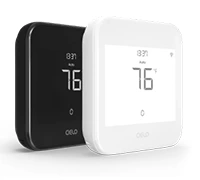
Budget-friendly smart thermostat for central HVAC systems. A thermostat that guarantees savings.
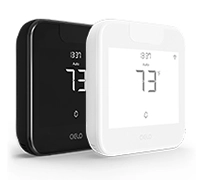
Award-winning smart thermostat for mini-splits. Technology that goes above & beyond.
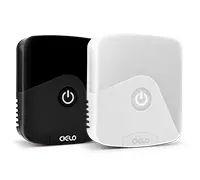
Sleekest smart thermostat for mini-split, window & portable ACs. A design that magically blends.
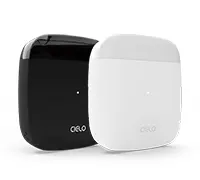
Smart mini-split thermostat that is engineered for affordable comfort. Small in size, big in benefits.
How to Receive Energy Tax Credit on Residential Appliances
To qualify for a residential energy tax credit, homeowners must meet specific criteria based on their location and the type of system installed. Moreover, the product must fulfill the following requirements:
- The equipment (such as a smart thermostat) must be installed in the taxpayer’s primary US residence.
- The equipment must meet ENERGY STAR® certification standards or equivalent efficiency benchmarks.
- Proper documentation, including manufacturers’ certifications, statements, and installation receipts, must be provided when filing for rebates.
- In some states, the system must be approved by local authorities before qualifying for the credit.
It is recommended to check with the state’s energy supplier to confirm eligibility.
What Kind Of Savings Are Offered?
The savings from an energy tax credit depend on the type of upgrade and current legislation. Generally, homeowners can expect to receive credits covering 10% to 30% of the cost of eligible equipment.
For example:
- Up to $600 for qualifying air conditioners.
- Up to $2000 for high-efficiency heat pumps.
In addition to federal credits, many state and local utility companies offer extra rebates and performance-based incentives. These can add up to significant long-term savings on energy bills.
Are There Other Benefits Associated with an Energy Tax Credit?
Yes, beyond immediate tax savings, energy tax credits provide multiple long-term benefits. They can help lower your bills in the long run by encouraging the installation of energy-efficient systems and appliances. These upgrades can also increase your home’s value and appeal to future buyers. Furthermore, by supporting cleaner, more efficient technologies, energy tax credits help reduce your environmental footprint and contribute to more sustainable living.