
A furnace is an HVAC system that generates heat and distributes it throughout indoor spaces using ducts and vents. It burns fuel to create heat. Modern furnaces are equipped with variable-speed fans and high-efficiency components to improve comfort while minimizing energy consumption.
How Does a Furnace Work?
A furnace operates through a controlled heating cycle managed by the thermostat. When indoor temperatures drop below your desired range, the furnace activates to restore warmth. Here’s how it works:
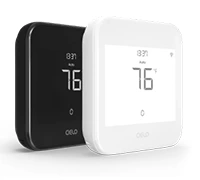
Budget-friendly smart thermostat for central HVAC systems. A thermostat that guarantees savings.
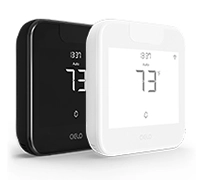
Award-winning smart thermostat for mini-splits. Technology that goes above & beyond.
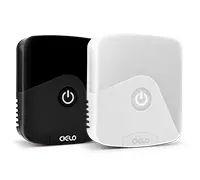
Sleekest smart thermostat for mini-split, window & portable ACs. A design that magically blends.

Smart mini-split thermostat that is engineered for affordable comfort. Small in size, big in benefits.
Thermostat Activation
The thermostat signals the furnace to start heating when the temperature falls below your preferred settings.
Fuel Ignition
Natural gas or propane flows through a valve into the burner assembly, where it is ignited to produce a controlled flame.
Heat Generation
The flame heats the heat exchanger, a metal chamber designed to safely transfer heat to the air without mixing combustion gases.
Air Circulation
The blower motor pushes cool indoor air across the heat exchanger, where it absorbs heat before distributing it through the ductwork.
Ventilation
The by-product, including carbon monoxide, is removed safely through the flue or vent pipes.
Energy Efficiency: Old Furnaces vs Modern Furnaces
Older fossil-fuel furnace systems typically operate with efficiencies between 56% and 70%, meaning a significant portion of the fuel’s energy is lost during combustion and heat transfer. A high-efficiency furnace is designed to convert 90% or more of its fuel into usable heat for your home, minimizing waste and maximizing comfort.
Upgrading to a high-efficiency furnace can cut fuel bills and pollution output by up to half. For instance, replacing a 56% efficient system with a 90% efficient model in an average cold-climate home can reduce carbon dioxide emissions by approximately 1.5 tons per year when heating with natural gas.
Furnace Efficiency & Maintenance
While the fundamental principle of a furnace (burning fuel to heat air) remains straightforward, modern systems have evolved to include advanced technologies that enhance performance. High-efficiency furnaces often feature variable-speed motors, modulating gas valves, and multiple heating stages. These improvements allow for quieter operation, more consistent comfort, and reduced energy waste.
Regular furnace maintenance is essential for safety, performance, and longevity. Routine tasks include changing air filters, inspecting the blower motor, checking gas connections, and scheduling annual professional tune-ups. A well-maintained furnace not only reduces energy costs but also ensures clean indoor air and safe operation.