
A hygrometer is a device used to measure humidity levels in your home. Humidity refers to the amount of water vapor present in the air. A hygrometer measures the percentage of water vapor in the atmosphere. Modern hygrometers typically display humidity as a percentage, allowing homeowners to easily understand whether their indoor air is too dry, too moist, or within a healthy range.
What Is the Difference Between a Hygrometer and a Humidity Meter?
Although the terms are sometimes used interchangeably, a hygrometer and a humidity meter serve different purposes.
- A hygrometer measures the moisture content in the air.
- A humidity meter, on the other hand, is used to detect moisture within building materials, such as drywall, wood, or flooring, to determine whether they are damp. This is especially useful after a leak, flooding, or water damage.
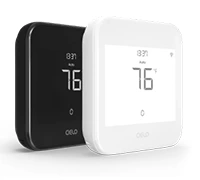
Budget-friendly smart thermostat for central HVAC systems. A thermostat that guarantees savings.
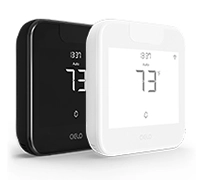
Award-winning smart thermostat for mini-splits. Technology that goes above & beyond.
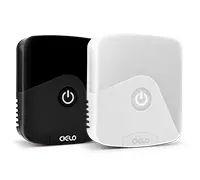
Sleekest smart thermostat for mini-split, window & portable ACs. A design that magically blends.
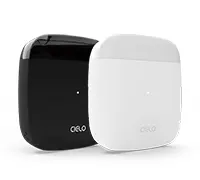
Smart mini-split thermostat that is engineered for affordable comfort. Small in size, big in benefits.
Ideal Humidity Levels
The Environmental Protection Agency (EPA) recommends maintaining indoor humidity between 30% and 50% for optimal comfort and health.
- Above 60% is considered high humidity.
- Below 30% is considered low humidity.
Keeping humidity within the ideal range helps ensure a comfortable, healthy indoor environment.
Signs of High Indoor Humidity
High humidity can negatively impact both your home and your family’s health. Common signs of poor humidity include:
- Mold or mildew growth
- Peeling paint or wallpaper
- Condensation on windows or walls
- Musty or damp odors
- A clammy or sticky feeling indoors
- Increased allergies or asthma symptoms
Signs of Low Indoor Humidity
Low humidity can lead to numerous problems, including discomfort and damage to your home. Common signs of low humidity include:
- Cracking or warping of wooden floors and furniture
- Frequent static electricity
- Dry nasal passages
- Scratchy throat or persistent coughing
- Higher risk of respiratory infections
- Nosebleeds
- Headaches
- Chapped lips
- Dry skin
Because many of these symptoms can overlap with other health issues, using a hygrometer can help determine whether humidity levels are contributing to the problem.
Benefits of Monitoring Humidity with a Hygrometer
Monitoring indoor humidity with a hygrometer keeps you informed and helps prevent issues such as dry skin, allergies, and respiratory discomfort. It also helps protect your home from excess moisture, which can lead to mold growth, condensation, and damage to furniture or wooden structures. With accurate, real-time readings from a hygrometer, you can make informed adjustments using your humidifier, dehumidifier, or HVAC system to ensure a healthier, more comfortable, and energy-efficient environment.