
In HVAC systems, jumper wires are those handy little electrical wires that connect two terminals on a thermostat or HVAC control board. They enable a single signal to trigger multiple functions or components without the hassle of running extra wires through walls.
Jumper wires are especially useful during installation, troubleshooting, and system configuration, ensuring that different HVAC setups and thermostat models work together seamlessly. Although they are small and often go unnoticed, jumper wires are crucial for proper HVAC system operation.
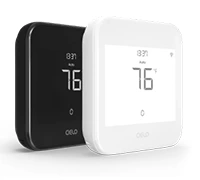
Budget-friendly smart thermostat for central HVAC systems. A thermostat that guarantees savings.
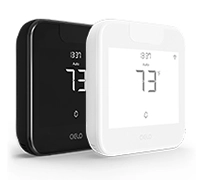
Award-winning smart thermostat for mini-splits. Technology that goes above & beyond.
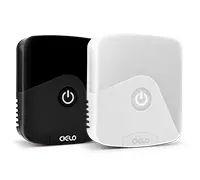
Sleekest smart thermostat for mini-split, window & portable ACs. A design that magically blends.

Smart mini-split thermostat that is engineered for affordable comfort. Small in size, big in benefits.
What Makes Jumper Wires So Special?
Jumper wires hold significant importance to a circuit, such as:
- Continuous Circuitry: This small piece of wire ensures that current has a continuous path.
- Insulation & Gauge: The wire can effectively handle current without overheating the gauge or the circuit board if set correctly.
- Ease of Use: A jumper wire eliminates the need to install a new wire, saving technicians time.
Purpose of Jumper Wires in HVAC Systems
Jumper wires are essential for completing or modifying circuits within a thermostat. For instance, a thermostat has separate terminals for heating and cooling power, such as Rh (heating) and Rc (cooling). However, older HVAC systems or simpler setups might only have one power wire available. In these cases, a jumper wire connects the Rh and Rc terminals, allowing the thermostat to power both heating and cooling circuits from the same source.
This not only saves time by eliminating the need for new wiring behind the walls but also makes installation quicker and more adaptable. Jumper wires can also be used at the HVAC control board. For instance:
- Standard thermostat wires like R, Y, and G connect to the board.
- If you need a C wire but don’t have one, you can repurpose G as a C wire.
- A jumper between Y and G ensures proper signaling. However, you will lose independent control over the fan.
How Jumper Wires Affect System Configuration
When you’re setting up a thermostat, jumper wires are crucial for aligning the thermostat wiring with your specific HVAC system. Without that jumper, you might find the thermostat struggling to turn on either function, showing error messages, or even losing power altogether. Jumper wires are also essential when dealing with more complex systems like dual-fuel configurations and multi-stage furnaces.
Are Jumper Wires Used When Installing a Smart Thermostat?
Smart thermostats eliminate the need for those old-school jumper wires thanks to their built-in circuitry that can sense and adjust to various HVAC setups. It’s not recommended to use a jumper wire when installing a smart thermostat, as it can cause equipment wear and tear.