
R-410A refrigerant was widely used in air conditioners and heat pumps from around 2010 to 2023. It is a hydrofluorocarbon (HFC) blend comprising two components: difluoromethane (R-32) and pentafluoroethane (R-125).
R-410A was introduced as a replacement for R-22 (Freon), a hydrochlorofluorocarbon (HCFC) that was phased out due to its ozone-depleting properties. In contrast, R-410A contains no chlorine, meaning it does not deplete the ozone layer.
In the United States, the EPA banned the production and import of new R-22 systems starting January 1, 2010, under the Clean Air Act and the Montreal Protocol. Similar restrictions were adopted in the European Union, Canada, and other regions to support global sustainability goals. This led to R-410A becoming the standard refrigerant for residential and commercial air conditioning systems until its phase-out in 2023.
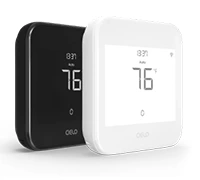
Budget-friendly smart thermostat for central HVAC systems. A thermostat that guarantees savings.
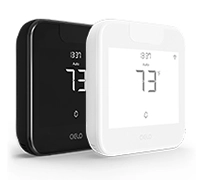
Award-winning smart thermostat for mini-splits. Technology that goes above & beyond.
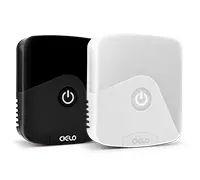
Sleekest smart thermostat for mini-split, window & portable ACs. A design that magically blends.
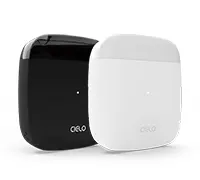
Smart mini-split thermostat that is engineered for affordable comfort. Small in size, big in benefits.
Key Properties of R-410A
- Composition: R-32 (50%) and R-125 (50%)
- Global Warming Potential (GWP): 2088
- ASHRAE Safety Class: A1 safety class (low toxicity and non-flammable under normal conditions)
- Ozone Depletion Potential: Zero
- Use period: 2010–2023
Phasing Out Of R-410A
R-410A operates at a higher pressure, and its maintenance and repair work carry a greater risk of refrigerant leaks. It has a high Global Warming Potential. Since it can leak, releasing harmful greenhouse gases into the atmosphere, R-410A is being phased out.
This is driven by both international and national environmental regulations, primarily under the Kigali Amendment to the Montreal Protocol and the US AIM (American Innovation and Manufacturing) Act of 2020. They aim to reduce the production and consumption of high-GWP hydrofluorocarbons (HFCs) to promote sustainable alternatives. The phasedown started in 2022 with a 90% allowance, requiring manufacturers to limit HFC-derived CO₂ emissions to 90% of baseline levels. The allowance will eventually drop to 15% by 2036.
Sustainable Alternatives for R-410A
As environmental regulations become stricter, the HVAC industry is moving toward eco-friendly refrigerants such as R-454B. This is not only more efficient but also has a lower environmental impact, with a GWP of only 700, compared to R-410A’s GWP of 2088.
This shift aligns with the U.S. Environmental Protection Agency (EPA) mandate requiring HVAC manufacturers to transition to refrigerants with a GWP of 700 or less by January 1, 2025.
Leading HVAC companies have already taken action to meet these standards. This industry-wide transition to low-GWP refrigerants is essential for ensuring long-term energy efficiency and environmental protection.
Is R-410A Illegal to Use After 2025?
R-410A is legal for use in existing air conditioning and heat pump systems. However, starting in 2025, newly manufactured HVAC equipment in the United States must use refrigerants with lower GWPs to comply with updated environmental regulations.
How Long Will R-410A Be Available in the US?
R-410A will remain available for several years, as existing supplies can still be used to service older systems. However, as production gradually declines, availability will decrease and costs will rise. This means that recharging or repairing R-410A systems in the coming years, especially after the next five years, will likely become more expensive.