
A two-stage cooling system relies on a compressor that can operate at two different capacities. Instead of running at 100% capacity all the time like a single-stage unit, it shifts between low and high stages depending on how much cooling the space actually requires. This controlled output keeps temperatures more stable, preventing hot and cold spots.
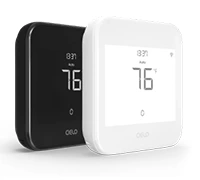
Budget-friendly smart thermostat for central HVAC systems. A thermostat that guarantees savings.
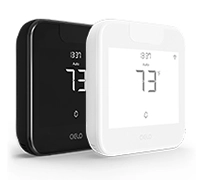
Award-winning smart thermostat for mini-splits. Technology that goes above & beyond.
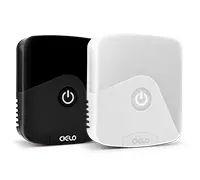
Sleekest smart thermostat for mini-split, window & portable ACs. A design that magically blends.
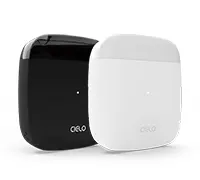
Smart mini-split thermostat that is engineered for affordable comfort. Small in size, big in benefits.
How Does Two-Stage Cooling Work?
A two-stage cooling system uses a variable-speed blower that adjusts based on cooling demand. The variable-speed blower is connected to a variable-frequency drive (VFD). This monitors incoming power and sends signals to the variable-speed motor to adjust its speed as required.
Low Setting: Your air conditioner or heat pump operates at 60-70% capacity during mild weather conditions. This setting is also used to maintain the temperature once the target has been reached.
Your AC or heat pump operates at this lower capacity approximately 80% of the time. This helps to keep your home consistently cool without any temperature swings.
High Setting: Used only during extreme heat or to reach your preferred temperature quickly. Two-stage cooling utilizes this stage only when truly needed, keeping energy use to a minimum.
Benefits of Two-Stage Cooling Systems
-
Enhanced Comfort
As two-stage HVAC systems run on low capacity for most of the time, they avoid frequent on/off cycling. This improves comfort and maintains a consistent temperature. It also helps reduce mechanical stress, extending equipment life.
-
Efficient Humidity Control
Two-stage cooling units also help in maintaining ideal indoor humidity. As the cooling cycle runs consistently, the air passes over the coils multiple times, enhancing moisture removal. This is especially beneficial in humid climates where mold, dust mites, and musty odors thrive.
-
Quiet Operation
The unit runs at a lower speed the majority of the time, producing significantly less noise than a system running at full blast.
-
Energy Efficiency
Avoiding energy spikes from frequent startups increases efficiency. Two-stage cooling systems don’t rely on the old all-or-nothing approach of single-stage ACs. The system automatically adjusts its cooling strength according to the demand, resulting in efficient operation.