
A wet switch flood detector in HVAC systems is a crucial safety device that detects water and prevents damage from leaks or condensation overflow. Typically, you’ll find it installed in the drain pan. As soon as it senses moisture or a water leak, the wet switch kicks in, shutting down the HVAC system to prevent further damage.
How Does a Wet Switch Work?
A wet switch detects moisture using electronic probes or absorbent foam. Once it identifies water, it opens the low-voltage control circuit, signaling the HVAC control board to shut down the system right away. Some advanced models even come with adjustable sensitivity, self-resetting features, or Wi-Fi-enabled leak alerts.
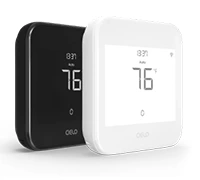
Budget-friendly smart thermostat for central HVAC systems. A thermostat that guarantees savings.
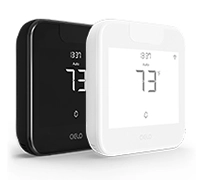
Award-winning smart thermostat for mini-splits. Technology that goes above & beyond.
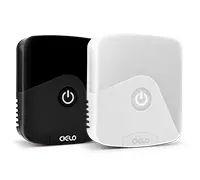
Sleekest smart thermostat for mini-split, window & portable ACs. A design that magically blends.

Smart mini-split thermostat that is engineered for affordable comfort. Small in size, big in benefits.
Types of Wet Switches
-
Magnetic Wet Switch
These models use magnetic or electronic moisture sensors to detect water. When moisture is present, the reed switch or sensor triggers instantly. They offer fast response and high reliability for HVAC overflow protection.
-
Pad-Based Wet Switch
These devices feature a water-absorbent foam pad that expands when it gets wet. As the foam soaks in moisture, it activates a switch that turns off the HVAC system. They’re straightforward, cost-effective, and often used in basic moisture monitoring setups.
Wet Switch Installation Location
Wet switches can be installed in various locations within an HVAC system, depending on the setup and the area most at risk of moisture buildup. They’re commonly placed in the primary or secondary drain pan to catch overflow before it causes damage.
In many cases, the wet switch is located inside the air handler cabinet or near the evaporative coil, where condensate is produced. Attic-mounted air handlers are particularly vulnerable. Having a wet switch is essential to protect against unnoticed leaks, which could damage the ceiling and insulation.
Similarly, wet switches are often set up in basement HVAC systems to protect stored items and prevent structural damage from unexpected water accumulation.
Benefits of Using a Wet Switch
A wet switch offers a host of advantages for your HVAC system, serving as a crucial safeguard against water-related issues. It plays a vital role in preventing water damage by protecting your floors, ceilings, and system components from issues like condensate overflow or leaks. When moisture is detected, the wet switch automatically shuts down the HVAC unit, shielding it from potential electrical or mechanical damage that could arise if water reaches sensitive parts of the system.
Some high-tech wet switches, such as the Asurity Connected Floor Detector, even send alerts via Wi-Fi notifications, allowing for swift action when a leak occurs. By alleviating the strain caused by blocked drain lines or water accumulation, a wet switch helps the system run more efficiently. In the long run, it significantly extends your HVAC system’s lifespan by minimizing the risk of component failure from moisture exposure.