
The HVAC operating cost is the total cost of running and maintaining your HVAC system over a year, including air conditioners, heat pumps, mini-split systems, and furnaces. It does not include upfront purchase or installation costs.
How to Calculate HVAC Operating Cost
HVAC operating costs are calculated by considering factors such as how much energy your system uses, how long it runs, what you pay for electricity or fuel, and the cost of regular maintenance. Together, these factors show how much it costs to heat and cool your home over the year.
For Electric HVAC Systems (Air Conditioners & Heat Pumps)
Operating Cost = (P × H × E × D × M) / 1000
Variables
- P = Power (watts)
- H = Hours of operation per day
- E = Electricity cost per kWh.
- D = Number of operating days per month
- M = Number of months the system operates per year
To calculate operating cost, check your electricity bill for the current rate per kilowatt-hour. Estimate how many hours the system runs daily or monthly, since usage varies by season. Find the system’s power consumption on the unit nameplate, listed in watts. Multiply power, runtime, electricity rate, operating days, and months of use. Divide the total by 1,000 to convert watt-hours to kilowatt-hours, then add routine maintenance and repair costs to estimate the total operating cost.
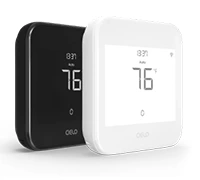
Budget-friendly smart thermostat for central HVAC systems. A thermostat that guarantees savings.
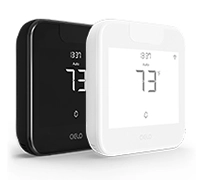
Award-winning smart thermostat for mini-splits. Technology that goes above & beyond.

Sleekest smart thermostat for mini-split, window & portable ACs. A design that magically blends.

Smart mini-split thermostat that is engineered for affordable comfort. Small in size, big in benefits.
For Gas Furnaces
Gas furnace operating cost is based on fuel consumption rather than electricity. Natural gas usage is measured in therms or BTUs, and pricing is listed on your gas bill.
Cost to operate = usage × (BTUs / 100,000) × price per therm
Factors Affecting HVAC Operating Cost
Several factors influence heating and cooling costs and overall energy bills.
-
System Age & Upkeep
A well-maintained HVAC system typically lasts 10–15 years. Older or poorly maintained systems are less efficient and must work harder to deliver the same comfort. Worn components, dirty coils, and aging compressors increase energy use and operating costs.
-
Home Size and Layout
Home size determines how many BTUs are required to heat or cool the space. Undersized systems run longer and struggle to maintain comfort, increasing energy use. Oversized systems frequently short-cycle, wasting electricity and accelerating component wear.
-
Insulation and Air Sealing
Ductwork can be a major source of energy loss. Well-insulated homes with sealed ducts and efficient windows retain conditioned air longer. Air leakage occurs when outside air enters and conditioned air escapes through gaps and cracks. This reduces insulation effectiveness, increases HVAC runtime, and allows moisture and pollutants into the home.
-
Geographic Location
Climate significantly impacts HVAC operating cost. Cold regions typically have higher heating costs, while hot climates tend to increase cooling costs. Larger differences between indoor set temperature and outdoor conditions force systems to work harder, raising energy use.
-
Energy Efficiency Ratings
More efficient systems use less energy to deliver the same comfort. Following efficiency ratings measure how efficiently HVAC systems use energy.
Seasonal Energy Efficiency Ratio: Measures cooling efficiency; higher ratings indicate lower electricity consumption.
Heating Seasonal Performance Factor: Measures the heat pump’s heating efficiency; higher values indicate lower electricity consumption.
Annual Fuel Utilization Efficiency: Measures how efficiently fuel is converted into usable heat; higher ratings indicate less wasted fuel.
-
Runtime
Extended runtimes during extreme weather increase energy consumption. The longer the system runs, the more electricity or fuel it uses, even if output stays the same.
-
Thermostat Temperature Settings
Thermostat setpoints directly affect runtime and energy use, significantly increasing or reducing annual HVAC operating costs without changing the equipment itself. Extreme temperature settings increase operating costs. Adjusting your setpoint by 7–10°F from your usual settings for about eight hours a day (when you are away or asleep) can reduce your annual cost by up to 10%.
-
Energy and Fuel Prices
HVAC operating costs are directly affected by local electricity rates. Even efficient systems can be expensive to operate in areas with high kWh prices. For gas or oil systems, heating costs are tied to fuel prices. Rising fuel costs lead to higher bills.
-
HVAC Maintenance Costs
HVAC maintenance costs, including filter replacements, inspections, and tune-ups, are part of operating costs. Regular maintenance helps maintain efficiency and prevents costly repairs.