Cielo
Cielo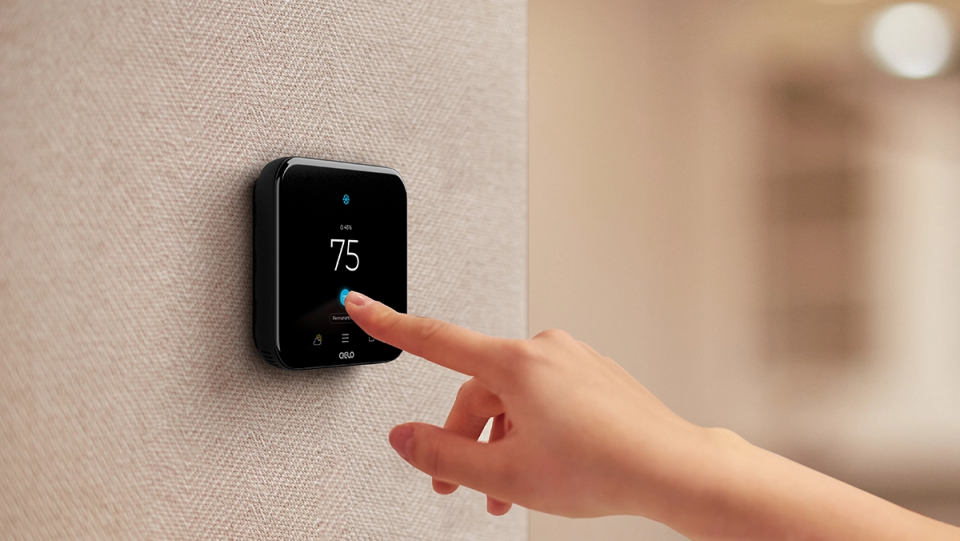
Key Takeaways
- The best time to turn on the AC is when it’s 75°F outside.
- Factors like indoor temperature and personal preferences can also influence when to switch on the AC.
- Pre-season maintenance, such as filter changes and system checks, ensures optimal performance.
As the seasons change, finding the right time to turn on your air conditioner can feel like a balancing act between comfort and cost. Turn it on too early, and you risk unnecessary energy usage; wait too long, and your home can quickly become uncomfortable. Since there’s no single fixed date that applies to every home, the decision depends on factors such as outdoor temperature, indoor conditions, your comfort level, and even your home’s insulation.
In this guide, we’ll explore insights from HVAC pros on when to turn on your air conditioner. We’ll also cover best practices to help your AC run efficiently, along with a maintenance checklist to follow before switching on the unit.
When Should You Turn On the AC?
There is no universal calendar date for turning on your air conditioner. The right time depends on a combination of factors unique to your home, climate, and comfort. Instead of relying on the month, HVAC experts recommend using specific environmental triggers to determine when to switch your system on.
Outdoor Temperature
HVAC experts generally recommend turning on the air conditioner once outdoor temperatures consistently stay in the low to mid 70s. Most homeowners begin to feel uncomfortable when temperatures hover between 72°F and 75°F, so that range serves as a practical rule of thumb for turning on the air conditioner.
According to Philip Oliver, HVAC professional and co-owner of Air Treatment Heating & Cooling, “Once outdoor temperatures are regularly in the upper 70s, you’ll most likely need your AC to maintain a comfortable indoor environment.”
If you live in a multi-story home or a building with large, south-facing windows, you may have to start cooling sooner. Direct sunlight heats interior spaces more quickly and requires more cooling to stay comfortable.
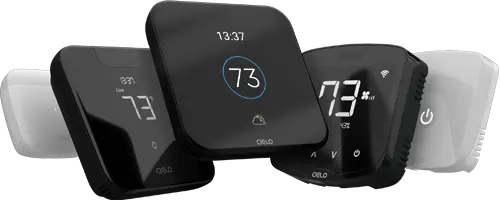
Budget-friendly smart thermostat for central HVAC systems. A thermostat that guarantees savings.
Award-winning smart thermostat for mini-splits. Technology that goes above & beyond.
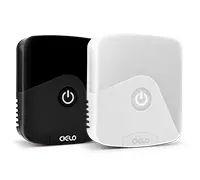
Sleekest smart thermostat for mini-split, window & portable ACs. A design that magically blends.
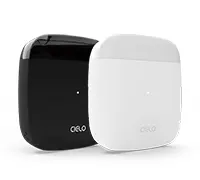
Smart mini-split thermostat that is engineered for affordable comfort. Small in size, big in benefits.
Indoor Temperature
When your home temperature reaches around 75°F, it’s a good time to turn on the AC. However, factors like how well your home retains heat, how much sunlight it gets, and how many people are inside can also affect comfort. If your home starts to feel warm or stuffy, that’s your cue to switch on the cooling system.
In spring, the temperature swings widely. It may climb above 70°F in the afternoon while nights dip back into the low 60s. In this scenario, running the AC all day would be wasteful. Instead, program your thermostat to account for varying conditions. Schedule it to run in the afternoons and set your thermostat back or turn it off during the evenings.
Humidity Factor
Even at 70°F, high humidity can make your home stuffy. This is where your air conditioner helps. Beyond cooling the air, AC units act as dehumidifiers, actively removing moisture from your indoor environment.
“Since air conditioning units also remove moisture, homeowners can use their AC for humidity control. Ideally, indoor humidity should stay between 30–50%. If humidity levels rise above 55%, running the AC can help make the home feel more comfortable, even without lowering the temperature much,” Oliver adds.
Personal Preference
Even when the outdoor temperature is in the 70s, you may feel comfortable inside, depending on your home. Some households run cold naturally and may never need the AC until temperatures climb well into the 80s.
It’s important to pay attention to how your household actually feels and adjust accordingly. The best thermostat setting is the one that keeps everyone comfortable while keeping energy use reasonable.
Sensitive Household Members
If your household includes infants, the elderly, or pets, you should turn your AC on much earlier. They cannot regulate body temperature effectively, making indoor temperatures above 80°F potentially hazardous.
Sleep Disruption
The ideal sleeping temperature is between 65°F and 68°F. If you find yourself waking up throughout the night and your bedroom feels warm or stuffy, it’s a clear sign to turn on your AC.
Home Insulation
The condition and quality of your home insulation play a larger role in determining when to turn on the air conditioner. A well-insulated home holds its indoor temperature longer, meaning it naturally resists outdoor heat gain and may not need cooling until temperatures climb well into the late 70s. A poorly insulated home, on the other hand, absorbs and transfers outdoor heat quickly; the interior warms up fast on sunny days, and you absolutely have to turn on the cooling.
If you find yourself turning the AC on earlier each year or running it for longer stretches, it may be worth having your insulation evaluated. Improvements to attic insulation, wall insulation, or even window sealing can reduce how early in the spring season your cooling system needs to run.
Best Practices to Run Your Air Conditioner Efficiently
A few simple habits can help your AC work better and reduce your energy consumption without sacrificing comfort
-
Block Direct Sunlight
Direct sunlight entering a room can significantly heat up your home, and your AC has to work harder to cool it. The simplest fix is closing your blinds or curtains early in the day, before the sun has a chance to heat the space. This one habit alone can noticeably reduce how hard your system has to work during peak afternoon hours.
For a longer-term solution, planting shade trees strategically around south- and west-facing windows blocks direct sun at the source and keeps your home naturally cooler throughout the season.
-
Use a Smart Thermostat
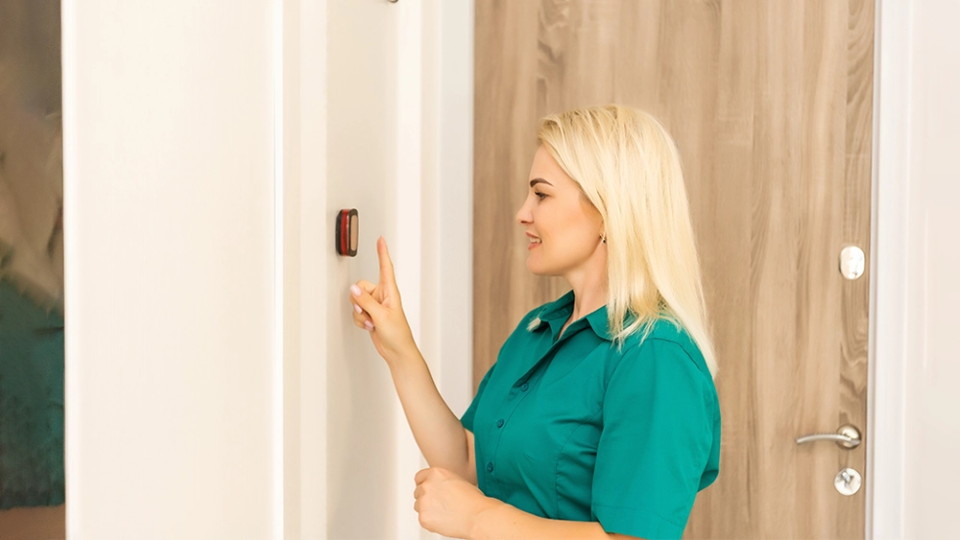
Smart thermostats take the guesswork and manual effort out of efficient cooling. The practical advantage is automation. A smart thermostat can be set to begin cooling your home 30 minutes before you arrive, so you walk into a comfortable space without having to cool an empty house all day.
Equip your HVAC system with smart features and achieve the perfect balance between comfort & savings.
Learn more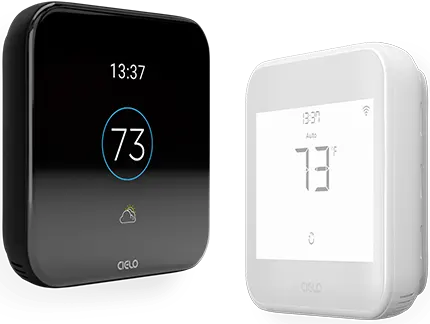
Beyond scheduling, smart thermostats track your usage patterns over time and can be controlled remotely from your phone. This is useful when your plans change, and you want to adjust the system before you get home.
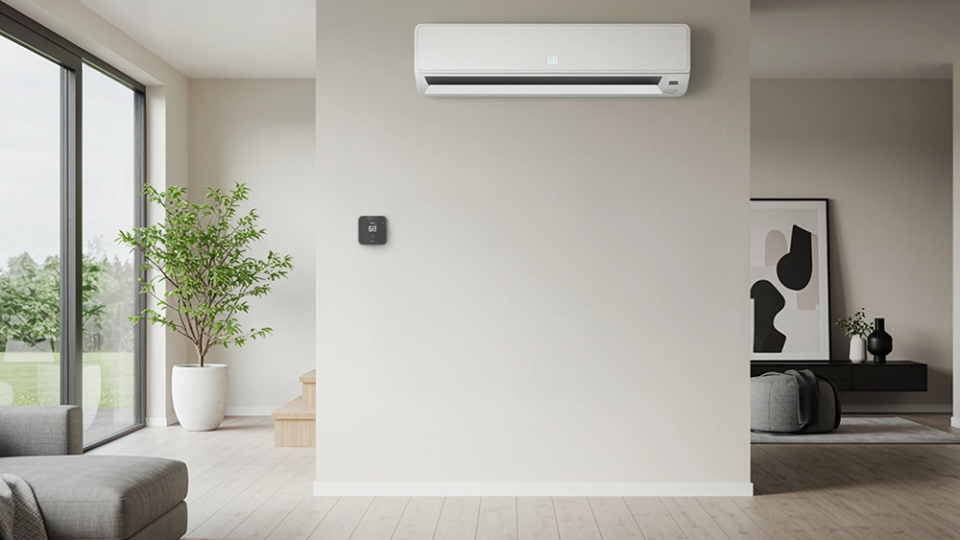
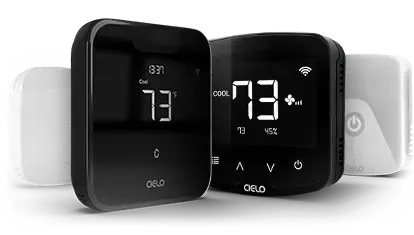
If you have a mini-split or window AC unit, you can make it smart without replacing the unit itself by using smart thermostats for mini-splits. They pair with your existing system and provide various smart features such as global control, scheduling, and geofencing.
Your best choice to make any mini-split, window,
or portable AC smart. Enhance your comfort and savings.
-
Adjust Your Thermostat Settings for Maximum Efficiency
The U.S. Department of Energy recommends setting the thermostat between 75°F and 78°F during the day. When you are away, raise the temperature by a few degrees to conserve energy. You can save around 10% a year by turning your thermostat back 7-10 degrees for 8 hours a day
Pre-Season AC Maintenance Checklist
Before you turn on the system for the first time each year, a spring HVAC maintenance checklist can help prevent the most common breakdowns and ensure your AC works optimally.
-
Check Your Filters
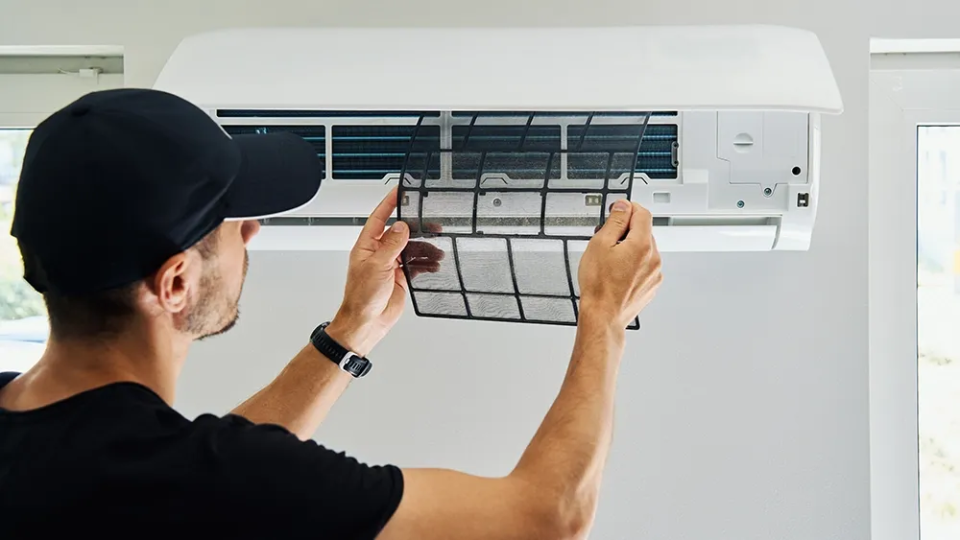
A dirty filter restricts airflow and reduces the overall cooling efficiency of your system. Before starting your AC for the season, replacing or cleaning the air filter is essential. Keeping your filters clean ensures your AC operates smoothly.
As a general rule, change your filters at least every 3 months.
-
Clear the Outdoor Unit
Your outdoor condenser unit needs proper airflow to release heat efficiently. Make sure it has at least two feet of clearance and is free of leaves, grass, or winter debris. Any obstruction around the unit forces your system to work harder, reducing efficiency and increasing energy costs. Here’s how to clean the AC outdoor unit.
-
Test Run Your System
It’s always best to test-run your system in the spring. Listen for usual sounds and check for weird smells. Finding issues early on is significantly cheaper than emergency repair calls in peak summer.
“The most common mistake we see is waiting until the first heatwave to turn the system on. After months of sitting unused, issues like dirty filters, debris in the outdoor unit, or low refrigerant can go unnoticed until the hottest day of the year. We recommend running your AC for 15–20 minutes on a mild day before the season starts to check for cooling performance,” says Danny Wilcon, an HVAC installer at Maximum Comfort & Heating Air.
When to Call an HVAC Professional
After your first run of the season, pay attention to how the system behaves. Watch for these signs and call a technician if you notice any issues.
- Unusual Sounds: Grinding, rattling, or banging noises from your AC typically point to a mechanical problem.
- Weak Airflow: If the air coming from your vents feels significantly weaker than it should, the issue may lie with your ductwork, the blower fan, or the motor. A technician can pinpoint the source quickly.
- Strange Smells: A musty odor when the system first turns on can indicate mold or debris in the ductwork. A burning smell may signal an electrical issue.
- Warm air from the vents. If your AC is running but blowing warm air, the most common culprit is low refrigerant. This check requires a licensed HVAC technician, so you should schedule before the season begins rather than discovering the problem on a 95°F afternoon.
In Conclusion
There’s no one-size-fits-all answer to when you should turn on your air conditioner. Instead, the right timing depends on a combination of environmental conditions, home insulation, humidity levels, and personal comfort preferences. By paying attention to these factors and not relying solely on the calendar, you can make a more informed decision that keeps your home comfortable without wasting energy. Pairing this approach with proper maintenance and smart usage habits ensures your HVAC system runs efficiently and reliably throughout the cooling season.
Frequently Asked Questions
What is the Best Time to Turn on the AC?
Early morning is the most efficient time to run your air conditioner in summer. After a cool night, your indoor temperature is at its lowest, so the system reaches your target temperature faster.
If you wait until the afternoon, both outdoor and indoor temperatures will have climbed significantly. Your AC then has to work longer to bring your space to a comfortable level, driving up your energy bill.
Related: What Is the Hottest Time of the Day
What Month Should I Start Using My Air Conditioner?
The weather does not always follow the calendar, so going by the month isn’t always reliable. As temperatures start rising in May, you may find yourself turning on the air conditioner. However, it depends entirely on the outdoor temperature and how comfortable you like to keep your home.
What Is the 3-Minute Rule for Air Conditioners?
To protect your system’s longevity, always allow at least three minutes between turning your AC off and switching it back on. This brief pause is critical for allowing the refrigerant pressure to equalize, preventing the compressor from starting under a heavy load and potentially overheating
Does Running the AC on a Lower Temperature Cool the House Faster?
No. Setting your thermostat to 65°F instead of 78°F does not speed up cooling; it simply means the system runs longer to reach a lower target. AC units cool at a fixed rate regardless of the setpoint.