
A dual-transformer HVAC system uses two independent transformers: one dedicated to heating and the other to cooling. This setup is commonly found in systems that have both heating and cooling equipment requiring independent control circuits, such as a gas furnace paired with an air conditioning unit.
You can typically identify a dual-transformer system by the presence of two R wires at the thermostat: Rc (cooling power) and Rh (heating power).
How Does a Dual-Transformer System Work?
In a typical HVAC system, a single transformer provides 24V power to both heating and cooling circuitry. However, in a dual-transformer system, each part has its own transformer:
- One transformer is dedicated to the heating system.
- The other transformer is dedicated to the cooling system.
Both transformers supply low-voltage power to the thermostat relays and the control board. When the thermostat calls for heating or cooling, it sends a signal through the corresponding transformer’s circuit to activate the appropriate equipment.
The transformers’ common connections must be properly connected to create a shared reference. If the commons are not connected, the thermostat may malfunction or be damaged.
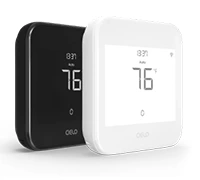
Budget-friendly smart thermostat for central HVAC systems. A thermostat that guarantees savings.
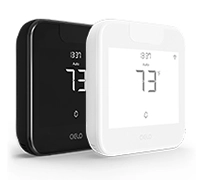
Award-winning smart thermostat for mini-splits. Technology that goes above & beyond.
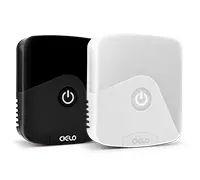
Sleekest smart thermostat for mini-split, window & portable ACs. A design that magically blends.
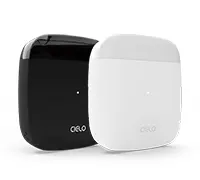
Smart mini-split thermostat that is engineered for affordable comfort. Small in size, big in benefits.
Advantages
Such a system helps balance electrical load between heating and cooling circuits, reducing strain on a single transformer. If one transformer fails, the other may still power part of the system, allowing limited operation until repairs are made. Furthermore, in large or complex systems, separate transformers make troubleshooting easier by isolating issues to a specific circuit.
Disadvantages
Dual-transformer setups require careful wiring. Incorrect wiring can lead to short circuits or system malfunctions. Moreover, not all thermostats are compatible with dual-transformer systems; compatibility must be confirmed before installation. Using a transformer with mismatched voltage outputs can cause irregular thermostat behavior or component damage.
Best Practices for Installation
To ensure proper performance in a dual-transformer HVAC system, verify that both transformers deliver the same voltage, typically 24V. When installing a smart thermostat, make sure the C-wire is connected on the cooling side (air conditioner) to ensure stable, compatible power.
Use a thermostat specifically designed for dual-transformer systems, or adjust its internal jumpers according to the manufacturer’s instructions. To prevent confusion during future maintenance or upgrades, label all heating and cooling transformer connections clearly.
Dual-transformer systems offer reliable power distribution and added flexibility for HVAC setups with separate heating and cooling components. However, proper wiring and compatibility checks are essential to avoid electrical issues. When installed correctly, these systems deliver balanced, efficient, and uninterrupted HVAC performance.
Upgrade Your Dual-Transformer System With Cielo Smart Thermostat
Cielo Smart Thermostats are fully compatible with dual transformer systems. During setup, simply connect the heating and cooling wires to their respective terminals on the thermostat. Once installed, the thermostat will automatically manage both systems, ensuring efficient performance and smooth operations year-round. Check out this detailed guide on how to install a Cielo smart thermostat for a dual-transformer system.