
The Environmental Protection Agency (EPA) is a U.S. federal agency responsible for protecting human health and the environment by regulating standards for air, water, and land safety. It was established in 1970 in response to growing concerns about pollution, environmental degradation, and public health risks caused by industrial growth, vehicle emissions, and unsafe waste practices.
In the HVAC industry, the EPA plays a critical role in regulating refrigerants, energy efficiency, and environmental safety standards.
What Does the EPA Do?
The EPA focuses on preventing health and environmental hazards by setting and enforcing regulations for air quality, water safety, chemical use, and land management.
Air Quality Protection
The EPA, under the Clean Air Act, sets and enforces national air quality standards and limits emissions of harmful pollutants from vehicles, industry, and power plants. It updates standards based on the latest science and issues federal emissions limits to help states meet clean air goals.
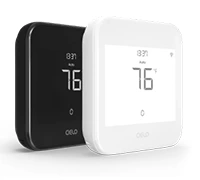
Budget-friendly smart thermostat for central HVAC systems. A thermostat that guarantees savings.
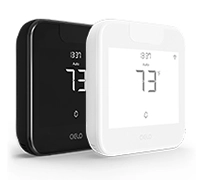
Award-winning smart thermostat for mini-splits. Technology that goes above & beyond.
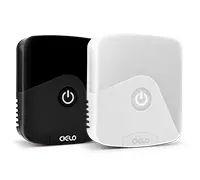
Sleekest smart thermostat for mini-split, window & portable ACs. A design that magically blends.
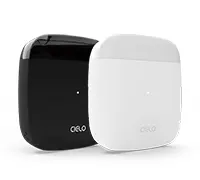
Smart mini-split thermostat that is engineered for affordable comfort. Small in size, big in benefits.
Water Protection
Through established standards and ongoing monitoring programs enforced under key federal laws such as the Clean Water Act (CWA) and the Safe Drinking Water Act (SDWA), the EPA helps protect the nation’s water resources.
Land and Waste Management
The agency regulates the handling, storage, and disposal of hazardous waste, chemicals, and solid waste under the Resource Conservation and Recovery Act (RCRA) to prevent soil contamination and long-term environmental damage.
The Role of EPA in the HVAC Industry
The EPA establishes and enforces regulations that impact how HVAC systems are manufactured, installed, serviced, and disposed of. Its main goals are to reduce the negative environmental impact, protect the ozone layer, and limit greenhouse gas emissions.
EPA Refrigerant Regulations
One of the EPA’s most important roles in the HVAC industry is regulating the use of refrigerants under the Clean Air Act. The agency oversees the phase-out of ozone-depleting substances such as R-22 and promotes the use of safer, more environmentally friendly alternatives.
The EPA also regulates hydrofluorocarbons (HFCs) due to their high global warming potential (GWP), encouraging the transition to lower-GWP refrigerants such as R-454B.
HVAC technicians must follow EPA guidelines when handling refrigerants and ensure they are disposed of safely to prevent environmental harm.
EPA & ENERGY STAR
ENERGY STAR is a joint program of the Environmental Protection Agency (EPA) and the Department of Energy (DOE).
The ENERGY STAR certification applies to various HVAC systems, including air conditioners, furnaces, boilers, and heat pumps. To earn the label, each product must undergo testing and meet EPA-defined efficiency requirements. ENERGY STAR-certified systems help reduce energy consumption, lower utility bills, and minimize environmental impact.