
A micron, or a micrometer, is a unit of measurement equivalent to one-millionth of a meter.
- 1 micron = 0.000001 meters
It is mostly used to describe extremely small objects or particles. For instance, a human hair is typically about 70-100 microns in diameter, while a dust mite measures around 100 microns. Since the unit itself is extremely small, you cannot see a single micron with the naked eye.
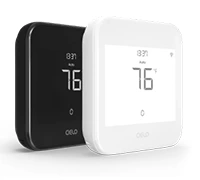
Budget-friendly smart thermostat for central HVAC systems. A thermostat that guarantees savings.
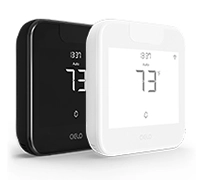
Award-winning smart thermostat for mini-splits. Technology that goes above & beyond.
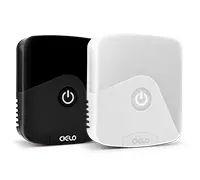
Sleekest smart thermostat for mini-split, window & portable ACs. A design that magically blends.
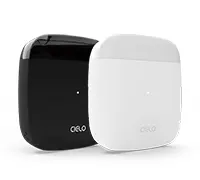
Smart mini-split thermostat that is engineered for affordable comfort. Small in size, big in benefits.
Microscopic Particles Within the Home
Indoor spaces naturally accumulate common microscopic air pollutants from a wide range of everyday activities.
- Dust: It can build up from everyday activities like walking in with shoes, moving furniture, and opening windows for evening ventilation.
- HVAC System: If HVAC filters are not replaced regularly, the system can recirculate dust, allergens, and other fine particles throughout the home rather than trapping them.
- Cooking, Cleaning, and Smoking: Cooking, especially frying or grilling, produces airborne particles from food fumes, oils, and smoke. Similarly, smoking and fireplaces also release fine particles into the air.
- Volatile Organic Compounds (VOCs): Common household items such as paints, adhesives, and cleaning products, as well as certain types of furniture, emit VOCs that can linger in indoor air.
- Biological contaminants: Mold spores, dust mites, pet dander, and other biological pollutants can become airborne, reducing indoor air quality, particularly in humid or poorly ventilated areas.
Microns in HVAC
In the HVAC industry, microns (𝜇m) refer to the size of airborne particles that air filters and air purifiers are designed to capture. Most HVAC filters are rated by their ability to trap particles as small as 0.3 to 10 microns. Indoor pollutants, like dust, pollen, mold spores, pet dander, smoke, and even some bacteria, fall in this range, meaning an HVAC filter can effectively trap these particles.
| Particle | Size Range (µm) |
| Dust | 1 – 100 µm |
| Pollen | 10 – 100 µm |
| Mold Spores | 3 – 40 µm |
| Pet Dander | 2.5 – 10 µm |
| Smoke (Tobacco / Wood Smoke) | 0.01 – 1 µm |
| Bacteria | 0.3 – 60 µm |
| Viruses | 0.005 – 0.3 µm |
Health Risks of Airborne Particulate Matter (PM)
Particulate matter (PM) refers to tiny solid or liquid particles suspended in the air, small enough to slip past the body’s natural defenses and travel deep into the lungs.
- Particulate matter greater than 10 microns (PM > 10𝜇m): Such particles can enter the bronchioles and cause irritation, inflammation, and symptoms like coughing or wheezing.
- Particulate matter less than 2.5 microns (PM < 2.5 𝜇m): These particles can reach the alveoli, leading to inflammation, reduced lung function, and long-term respiratory issues.