
A ventilator plays a crucial role in enhancing indoor air quality by managing the flow of fresh air into a space while effectively removing stale or contaminated air.
As homes become more tightly sealed, natural airflow tends to decrease significantly. This can lead to an accumulation of moisture, unpleasant odors, and airborne pollutants, all of which can adversely affect comfort and health. An HVAC ventilator helps ensure that fresh, clean air is constantly circulating throughout the home.
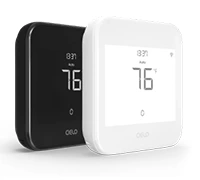
Budget-friendly smart thermostat for central HVAC systems. A thermostat that guarantees savings.
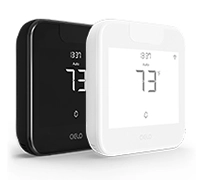
Award-winning smart thermostat for mini-splits. Technology that goes above & beyond.
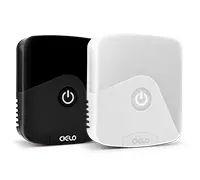
Sleekest smart thermostat for mini-split, window & portable ACs. A design that magically blends.
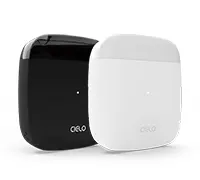
Smart mini-split thermostat that is engineered for affordable comfort. Small in size, big in benefits.
Understanding the Importance of Proper Ventilation
In a home designed for energy efficiency, insulation and tight construction help keep temperatures stable, but they can also trap indoor air. While this helps reduce heat loss and enhance comfort, it can also block fresh outdoor air from entering.
It’s a misconception that HVAC systems bring in fresh air from the outside. On the contrary, they mainly recirculate the air that’s already inside. Without adequate ventilation, everyday activities like cooking and cleaning can introduce moisture and contaminants into indoor air.
Odors tend to linger, and volatile organic compounds from household products can accumulate inside. This stagnant air can create discomfort, degrade indoor air quality, and put extra strain on your heating and cooling systems. A whole-house ventilator can help restore balance by continuously swapping out stale indoor air for fresh, filtered outdoor air, making your home healthier and more comfortable.
How Do HVAC Ventilators Work?
A ventilator works by drawing outdoor air into your home through a dedicated intake pathway, passing it through various filtration layers to remove allergens. After that, the air is circulated inside via the ductwork. At the same time, stale air is pushed out, keeping a proper balance between incoming and outgoing air. This exchange helps prevent pressure imbalances in your home, ensuring that the conditioned air from your HVAC system doesn’t escape through cracks or leaks.
The constant flow of fresh air helps maintain a stable indoor environment, reduces lingering odors, and limits the buildup of pollutants.
Types of Ventilators
There are various types of ventilators, each tailored to address specific requirements.
- Exhaust ventilators are typically found in moisture-prone areas like bathrooms and kitchens, where they help remove humid or odorous air.
- Supply ventilators bring in fresh outdoor air and circulate it throughout different rooms, ensuring a consistent flow of clean air.
- Balanced ventilators combine both functions by supplying and exhausting air at equal rates, promoting uniform airflow across the home.
- For those looking for something more advanced, Heat Recovery Ventilators (HRVs) and Energy Recovery Ventilators (ERVs) are often integrated with heating systems. These innovative units transfer heat between the incoming and outgoing air streams, effectively reducing the burden on the heating or cooling system by pre-conditioning the incoming air before it enters your living space.