HVAC stands for Heating, Ventilation, and Air Conditioning. It is an umbrella term to describe systems that control indoor temperature and humidity, manage airflow, and regulate indoor air quality. HVAC systems work to create a comfortable, healthy indoor environment in residential, commercial, and industrial buildings.
H in HVAC – Heating Component
The heating component of HVAC is responsible for keeping indoor spaces warm during colder months. Heating systems generate heat and evenly distribute it throughout a building to maintain comfort as outdoor temperatures drop.
Heat is delivered through various methods, such as forced-air via ductwork, radiant heating, or hydronic systems that circulate hot water. The goal of HVAC heating is not only to raise the indoor temperature but also to ensure consistent warmth without cold spots or uneven distribution. The major HVAC systems responsible for heating include furnaces, boilers, heat pumps, electric baseboard heaters, radiant floor heating, and geothermal heating systems.
V in HVAC – Ventilation
Ventilation focuses on maintaining healthy indoor air by continuously replacing stale indoor air with fresh outdoor air. This process helps remove odors, moisture, smoke, and airborne pollutants while improving oxygen levels inside the space.
In HVAC, ventilation refers to the use of an air handler, ductwork, and return vents to filter harmful particles from indoor air and circulate clean air throughout the home.
Whole-house ventilation systems deliver fresh outdoor air while expelling stale indoor air.
AC in HVAC – Air Conditioning
The air conditioning component of HVAC is designed to cool indoor spaces during warm or humid conditions. Air conditioners and heat pumps remove heat from indoor air and transfer it outdoors, lowering indoor temperatures and improving comfort.
In addition to cooling, air conditioning helps control humidity by removing excess moisture from the air. This makes indoor environments feel cooler and more comfortable, especially during hot summer months. Central air systems, ductless mini-splits, heat pumps, window air conditioners, and packaged AC units are among the most common cooling solutions used in residential and commercial settings.
How HVAC Systems Work Together
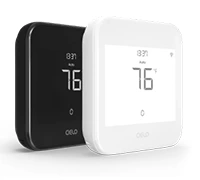
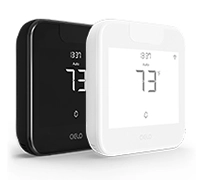
All three HVAC components work as a single, coordinated system controlled by a thermostat. The thermostat monitors indoor conditions and signals the system to heat or cool as needed. Modern smart thermostats, such as Cielo smart thermostats for central and mini-split systems, enhance this process by offering automation, scheduling, and energy-saving features.