Cielo
Cielo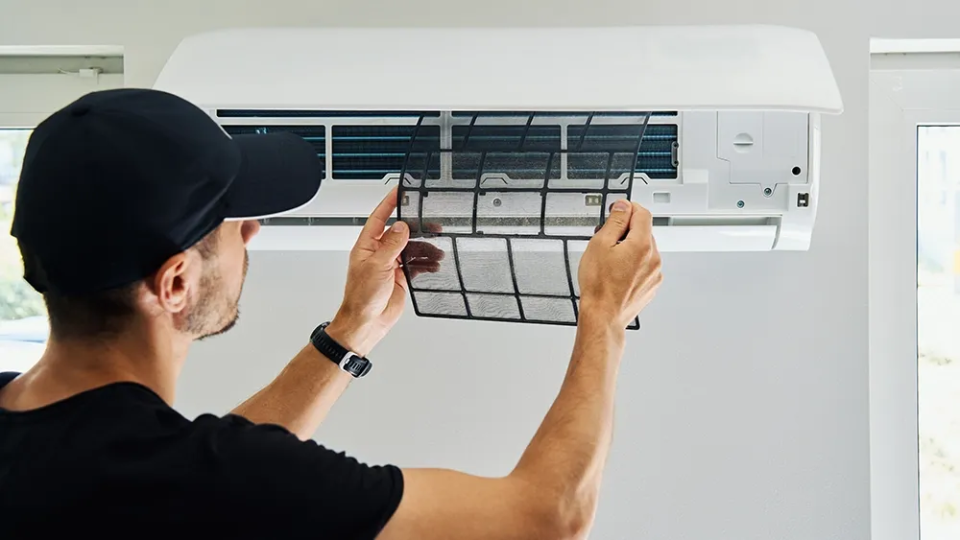
Key Takeaways
- Most air filters should be replaced every three months.
- Factors such as filter type, filter size, home location, and pets affect how often you need to change it.
- Regular filter replacement boosts energy efficiency and comfort.
The air filter is an HVAC component designed to trap indoor pollutants before they enter your system and recirculate into your living space. It helps purify the indoor air, keeping your home clean and comfortable.
However, over time, the accumulated dust, debris, and airborne particles make the air filter dirty, reducing its ability to clean the air efficiently. Left unchecked, a dirty air filter impacts your indoor air quality and HVAC efficiency.
So, how often should you change your air filter? Let’s find out.
When to Change Your HVAC Filter?
Generally, it is recommended to change the furnace and AC filters every 3 months. However, several factors influence how long an air filter actually lasts, such as:
Filter Type
Different types of air filters offer varying levels of filtration efficiency and maintenance requirements.
- Fiberglass filters provide basic filtration and typically need to be replaced every 30 days.
- Pleated filters provide better performance due to their increased surface area and usually require replacement every 2–4 months, while thicker 4-inch pleated models can last 3–12 months depending on usage.
- Washable filters need to regularly cleaned instead of replaced.
- HEPA filters offer higher filtration efficiency and can effectively remove 99.97% of airborne pollutants.
|
Filter Type |
Air Filter Replacement Frequency |
Performance Level |
|
Fiberglass Filter |
Monthly |
Low |
|
Pleated Filter |
2-4 Months |
Medium to High |
|
Washable / Reusable Filter |
Clean Monthly |
Low-Medium |
|
Media Filter |
6 Months |
High |
|
HEPA Filter |
12 Months |
Superior |
Note: These are general recommendations. The actual replacement schedule also depends on HVAC usage, indoor air quality, pets, and other household factors.
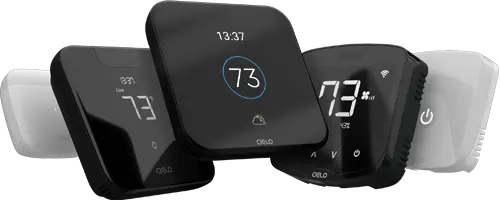
Budget-friendly smart thermostat for central HVAC systems. A thermostat that guarantees savings.
Award-winning smart thermostat for mini-splits. Technology that goes above & beyond.
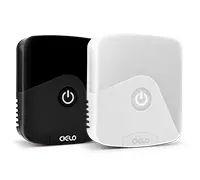
Sleekest smart thermostat for mini-split, window & portable ACs. A design that magically blends.
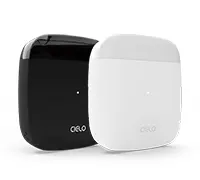
Smart mini-split thermostat that is engineered for affordable comfort. Small in size, big in benefits.
Filter Size
Thicker air filters generally last longer than thinner ones because they have more surface area to trap dust and debris. A 1-inch filter typically needs to be changed more often than a 4-inch filter. The size is usually mentioned on the side of the filter.
Here’s the air filter replacement frequency based on size:
|
Size (Inches) |
Replacement Interval |
|
12x20x1 |
1-3 months |
|
20x25x2 |
1-3 months |
|
16x25x4 |
6-9 months |
|
16x25x5 |
9-12 months |
HVAC Usage
The more frequently your HVAC system runs, the faster your filter accumulates dust and debris. During the peak summer and winter seasons, it’s wise to inspect the filter monthly.
Asthma or Allergy Sensitivities
If someone in your home suffers from asthma or allergies, maintaining clean air becomes even more important. Timely air filter replacement ensures that your system is pumping clean air, minimizing allergens in your home.
Household Activities
Everyday activities at home can impact how quickly HVAC filters get dirty.
- Burning candles, using fireplaces or wood stoves, and heavy cooking release smoke, soot, and grease particles into the air. Use of cleaning chemicals can also introduce airborne residues that accumulate in HVAC filters.
- Frequent window openings bring in dust and pollen, requiring monthly filter changes.
- Smoking in the household significantly shortens filter life; thin filters should be replaced monthly, while thicker ones should be changed every three months.
Pets In Your Home
If you have pets, the volume of airborne particles increases due to pet hair and dander. Pets that go outdoors can also bring in additional dirt and bacteria. In such cases, filters should be changed at least twice a month to maintain good indoor air quality.
Season
Your HVAC system typically runs more frequently in winter and summer than in spring and fall. As a result, HVAC filters may need to be replaced more often during peak heating and cooling seasons.
Outdoor Environmental Factors
Living near high-traffic roads or construction areas increases the amount of dust and airborne pollutants entering your home. This causes filters to clog more quickly.
In humid areas, filters trap more moisture and dust, which can lead to mold growth if not replaced promptly.
Size of Your House
A larger house will require more frequent filter replacement as more air is passing through the HVAC system that has to be conditioned. Also, more family members mean more dirt coming in (from shoes and clothes).
MERV Rating & Air Filters Efficiency
The MERV (Minimum Efficiency Reporting Value) rating is a standardized measure of how effectively an air filter captures airborne particles. MERV ratings typically range from 1 to 16, with higher ratings indicating better filtration efficiency and the ability to capture smaller particles.
Why Air Filter Maintenance Matters
Air filter replacement is one of the simplest forms of HVAC maintenance and has a significant impact on various aspects.
-
Improved Energy Efficiency
According to the U.S. Department of Energy, replacing a dirty air filter can improve energy efficiency by 5-15%. A clogged or dirty air filter restricts airflow, making it harder for your HVAC system to circulate conditioned air throughout your home. Regular maintenance can lead to noticeable reductions in energy bills over time while also helping your HVAC system operate more smoothly and reliably.
-
Consistent Indoor Comfort
When airflow is limited, your HVAC system may struggle to distribute air evenly throughout your home. This often leads to hot and cold spots. Staying on top of your air filter maintenance helps maintain steady airflow, allowing your system to operate efficiently.
-
Extended HVAC System Lifespan
Air filters protect internal HVAC components from dust buildup. When debris accumulates on the evaporator coil or blower assembly, it can reduce heat transfer, increase mechanical strain, and even lead to premature system failure. Routine filter inspection and timely replacement help minimize unnecessary wear and tear.
Making Air Filter Maintenance Part of Your Routine
As filter replacement timing varies, it’s helpful to build a consistent routine. Regular inspections make it easier to determine the ideal replacement schedule for your home and help keep your HVAC system running efficiently.
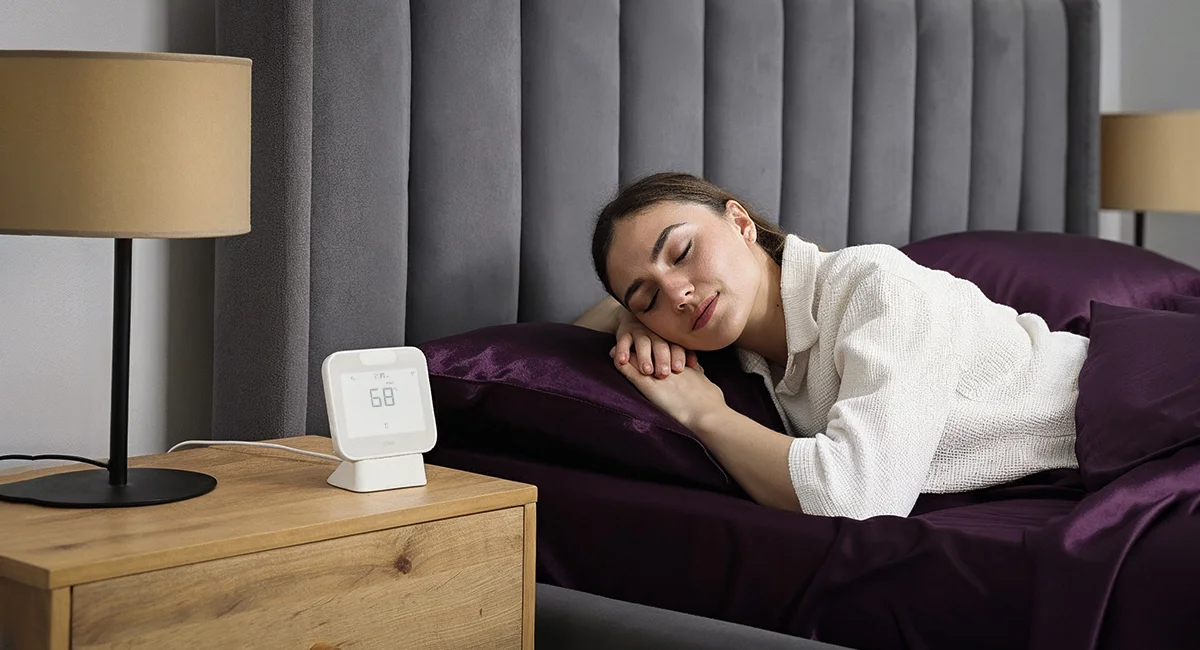
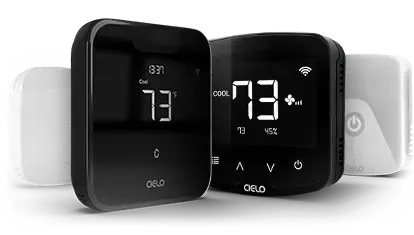
To simplify maintenance, Cielo smart thermostats for mini-splits include an air filter cleanliness feature that sends timely reminders when cleaning is due. This feature eliminates the need to set up separate phone reminders and helps ensure your indoor air stays clean year-round.
Your best choice to make any mini-split, window,
or portable AC smart. Enhance your comfort and savings.
Signs It’s Time to Replace Your Air Filter
-
Visible Dirt Buildup on the Filter
One of the easiest ways to check is by inspecting the filter directly. If you can see heavy dust or dirt accumulation on the filter surface, it is time to replace it to restore proper airflow and maintain system performance.
-
Rising Energy Bills
If you notice a sudden increase in your energy bills without a change in HVAC usage, a dirty air filter could be the cause. A clogged filter forces your HVAC system to work harder to maintain the desired temperature, which increases energy consumption.
-
Reduced Airflow From Vents
Reduced airflow from your vents is another clear sign of a dirty air filter. When the filter becomes clogged with dust and debris, it restricts airflow, hindering the circulation of conditioned air throughout your home.
-
Excess Dust Around the Home
If you start noticing more dust settling on furniture, floors, or other surfaces, your air filter may no longer be effectively trapping airborne particles.
-
Uneven Cooling or Heating
A dirty filter can cause inconsistent temperature distribution across rooms. Some areas of your home may feel warmer or colder than others because restricted airflow prevents your HVAC system from delivering balanced comfort.
-
System Running Longer Than Usual
If your HVAC system is running longer cycles than normal to reach the set temperature, it may be struggling due to a clogged air filter.
Final Thoughts
Regular HVAC filter replacement helps maintain proper airflow, improve energy efficiency, and enhance indoor air quality. In HVAC maintenance, replacing your air filter is a small task that delivers measurable performance benefits for years.
Frequently Asked Questions
Can You Clean Your Filter Instead Of Replacing It?
Washable or semi-permanent filters can be cleaned and reused rather than discarded. However, if it’s not labeled washable, do not try to clean it. It will damage its structure and impact its filtration ability.
How Often To Replace Furnace Filter?
Furnace filters generally follow the same replacement guidelines as AC filters. How often you should replace them depends on factors such as filter type, thickness, household habits, pets, and seasonal usage. In most homes, a 1-inch filter may need to be replaced every 1–3 months, while thicker filters can last longer depending on usage and air quality.