Cielo
Cielo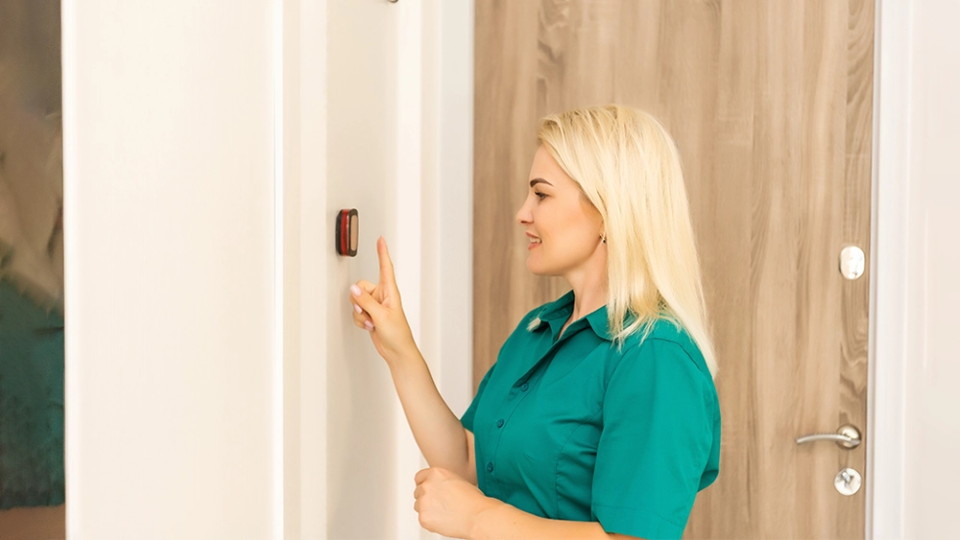
Key Takeaways
- A faulty thermostat can disrupt indoor comfort and raise energy bills.
- Bad thermostat symptoms include blank display, inaccurate temperature readings, and HVAC short cycling.
- Thermostats older than 10 years often become unreliable and may need to be replaced rather than repaired.
Your thermostat acts as the control center for your heating and cooling system, regulating its operation based on your set temperature. When it functions properly, it helps maintain consistent comfort and efficient system performance. However, like any other electrical device, a thermostat can also run into issues. When that happens, comfort problems, uneven temperatures, and higher energy bills often follow.
Below are some of the most common symptoms of a bad thermostat, along with practical steps you can take to troubleshoot the issue and determine whether a simple fix or a replacement is needed.
Common Symptoms of a Malfunctioning Thermostat
A faulty thermostat can show several warning signs. Some issues are minor and fixable, while others indicate the thermostat has reached the end of its lifespan and needs to be replaced. Below are the most common signs of a bad thermostat to look out for.
1. Blank Thermostat Display
When the thermostat screen goes blank or becomes unresponsive, first check whether it has been accidentally switched off. If that isn’t the case, a blank display is often caused by dead batteries (for battery-operated thermostats), loose or damaged wiring, or a tripped circuit breaker.
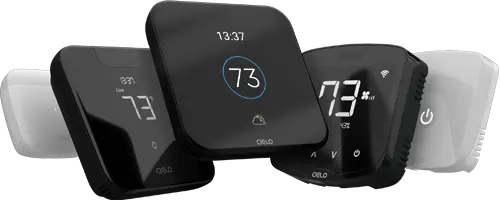
Budget-friendly smart thermostat for central HVAC systems. A thermostat that guarantees savings.
Award-winning smart thermostat for mini-splits. Technology that goes above & beyond.
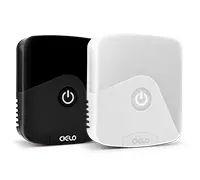
Sleekest smart thermostat for mini-split, window & portable ACs. A design that magically blends.
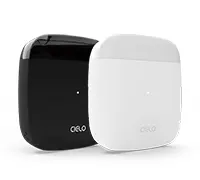
Smart mini-split thermostat that is engineered for affordable comfort. Small in size, big in benefits.
2. Your HVAC System Doesn’t Respond to Thermostat Changes
When you adjust the temperature on your thermostat, your HVAC system should respond within a short time. If some time has passed and the system still has not turned on, it indicates an issue.
First, check your circuit breaker to make sure the circuit breaker hasn’t tripped. If the breaker box looks fine, the issue may lie within the thermostat itself.
Loose, damaged, or aging wires inside the thermostat can interrupt the signal that tells your system to turn on heating or cooling.
3. Your HVAC System Is Short-Cycling
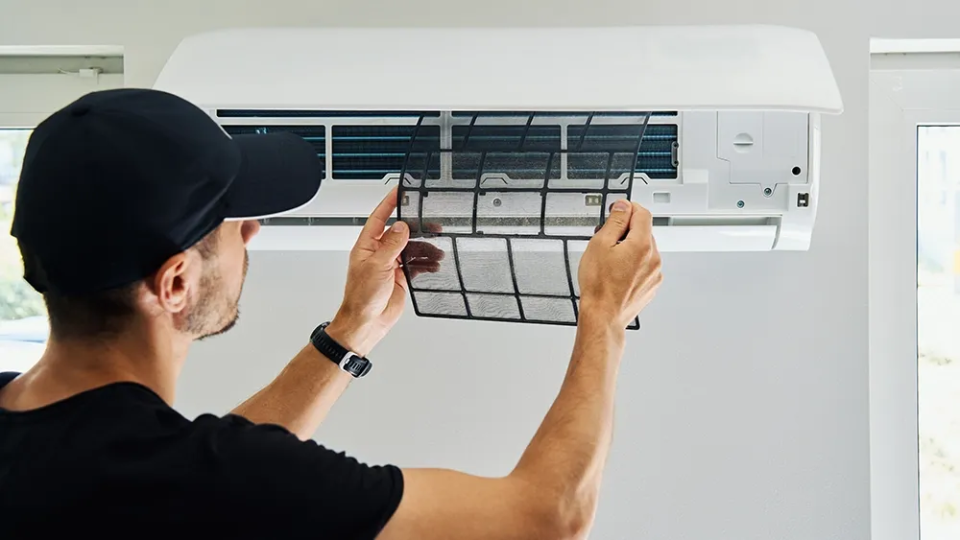
Short-cycling happens when your HVAC system turns on, runs briefly, and then shuts off before completing a full heating or cooling cycle. This pattern often repeats several times within a short period. One common cause of short-cycling is a faulty thermostat. It may repeatedly trigger the system to start and stop, rather than allowing it to run normally. It could also be an HVAC issue; you will need to call a pro to confirm the exact problem.
4. Thermostat Shows Incorrect Temperature Readings
When a thermostat is functioning properly, its displayed temperature should closely match the actual home temperature. If the reading seems noticeably off, the thermostat may not be sensing the environment correctly. This can be caused by improper thermostat placement, such as being installed in direct sunlight, near a drafty window, or on an exterior wall.
Incorrect readings may also be due to calibration if its internal sensor has drifted from accuracy over time. Here’s how you can calibrate your thermostat.
If the problem persists after checking placement and calibration, the thermostat’s sensor may be failing and require replacement.
5. You Have an Old Thermostat
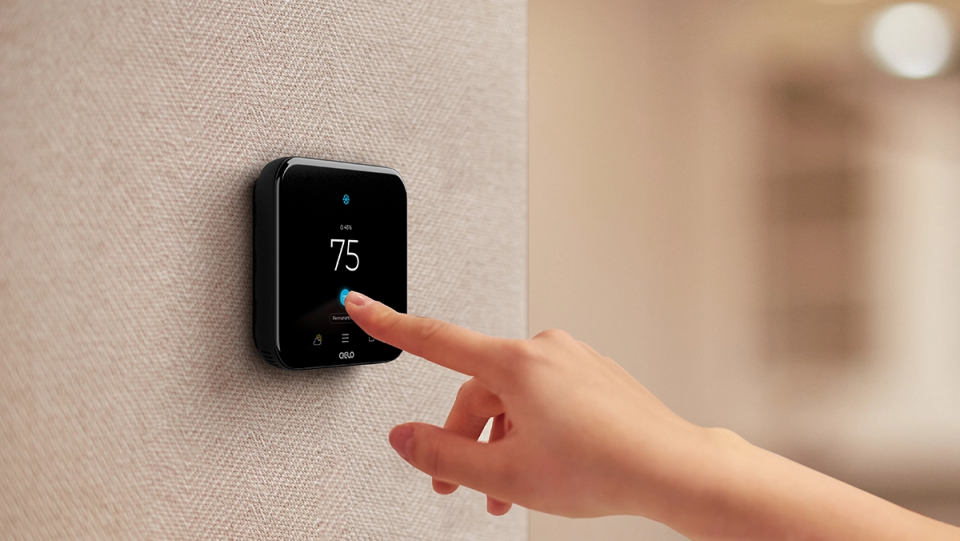
Most thermostats are designed to last about 10-15 years, after which internal components and sensors can become less reliable. If you are replacing a faulty thermostat, upgrading to a smart thermostat can offer additional benefits beyond basic control. They provide more precise temperature control, helping reduce energy waste and improve day-to-day comfort.
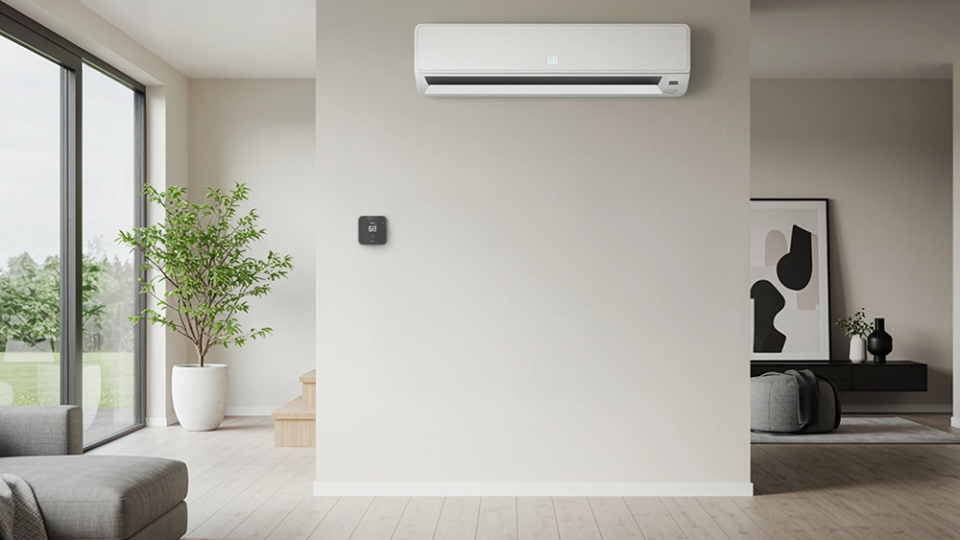
Equip your HVAC system with smart features and achieve the perfect balance between comfort & savings.
Learn more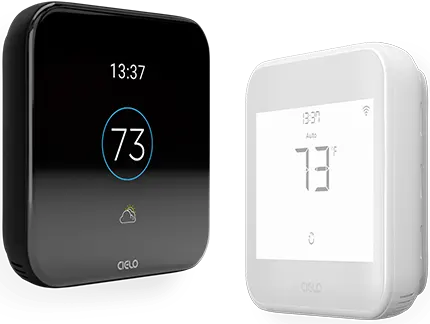
6. Thermostat Forgets Your Programmed Settings
When a thermostat frequently reverts to different settings, it indicates a calibration or a software update problem.
However, if the thermostat is older or continues to lose settings after troubleshooting, it is often a sign that internal components are wearing out. At that point, replacing the thermostat is a more practical choice.
7. Visible Damage to the Thermostat
Unlike performance-related issues, physical damage is often easy to spot. Cracks in the thermostat housing, a loose faceplate, corrosion around the wiring connections, or buttons that no longer press all point to hardware damage.
When a thermostat is physically damaged, its internal components may no longer sit correctly or make reliable electrical contact. This can disrupt signal transmission to the HVAC system, leading to delayed responses.
Physical damage is commonly caused by accidental impact, exposure to moisture, or age-related wear. In these cases, repairs are rarely reliable, and replacing the thermostat is usually the most effective solution.
How to Fix a Broken Thermostat
Here are some simple troubleshooting steps that you can take before calling a professional.
Replace the Batteries
For battery-powered thermostats, remove the faceplate and install fresh batteries. Replacing batteries once a year can help prevent unexpected failures.
Check the Wire Connections
Make sure all wires are securely connected to their terminals. Loose or disconnected wires can cause inconsistent or complete loss of operation.
Clean the Thermostat
Dust and debris can accumulate over time inside a thermostat, interfering with its sensitive electrical and mechanical components. To clean the thermostat, use a microfiber cloth or a soft brush to gently remove dust and debris.
Reset the Circuit Breaker
If the thermostat has lost power, check your breaker panel for a tripped HVAC circuit. Turn the breaker fully off and then back on. If the breaker keeps tripping, call an HVAC professional.
Conclusion
Common signs of a faulty thermostat include a blank display, inaccurate temperature readings, and HVAC system short cycling. Identifying thermostat issues early can help prevent unnecessary energy waste, reduce wear on your heating and cooling system, and restore indoor comfort. Whether the fix involves simple troubleshooting or replacing an outdated unit, addressing thermostat problems promptly can save time, money, and frustration in the long run.
Frequently Asked Questions
What Does a Bad Thermostat Look Like When It Starts Failing?
A failing thermostat does not always show visible signs of damage. In many cases, it appears normal but shows performance-related issues. You may notice the display flickering or going blank. It may reset frequently or display incorrect readings.
How Do You Know If You Need a New Thermostat?
You will need a new thermostat if your current one is experiencing recurring issues that persist even after repairs. If your device has faulty sensors or wiring, it’s best to upgrade to a new model.
Can a Bad Thermostat Increase Energy Bills?
A faulty or outdated thermostat can drive up energy bills by causing inefficient system operation. Inaccurate temperature readings, short cycling, or delayed responses force the HVAC system to work harder than necessary, wasting energy. Over time, this inefficiency shows up as higher utility costs and increased wear on the HVAC equipment.