Auxiliary heat, commonly shown as AUX on thermostats, is a secondary or backup heating source used by heat pump systems when the primary heat pump cannot provide sufficient heating. This usually happens during extremely cold weather, rapid indoor temperature drops, or special operating modes like defrost. Auxiliary heat helps maintain comfort by supplying additional warmth until the heat pump can meet the heating demand on its own.
How Does Auxiliary Heat Work?
A standard heat pump extracts heat from outdoor air and transfers it indoors. However, as outdoor temperatures fall – typically near or below freezing, the heat pump becomes less efficient.
This is when auxiliary heat steps in. This backup heat source quickly raises the indoor temperature, ensuring comfort until the weather becomes favorable for the heat pump to resume operation.
Common Sources of Auxiliary Heat
Common HVAC systems used as auxiliary heat sources include:
- Electric resistance heating strips are installed into the air handler
- Gas or oil furnaces (in dual-fuel systems)
- Boilers
Is Auxiliary Heat Energy Efficient?
Auxiliary heat is generated by a fossil fuel-based HVAC system or a high-voltage electric strip, which is generally more expensive to operate. While heat pumps deliver
2–3 times more heat energy than the electricity they use through efficient heat transfer, furnaces and boilers must burn fuel to generate heat, which generally costs much more.
Although gas or oil systems provide reliable backup heat during extreme cold, they are less energy-efficient and result in higher operating costs.
Auxiliary Heat on Cielo Smart Thermostat
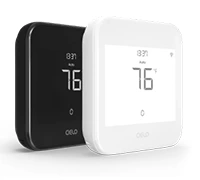
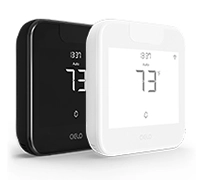
On Cielo smart thermostats, auxiliary heat is shown as ‘AUX’ when activated. Cielo’s
interface clearly distinguishes the modes, helping homeowners easily understand when backup heat is operating. Additionally, with advanced threshold settings, homeowners can
configure auxiliary heat settings and enjoy optimal comfort even in harsh weather.