
Combined Annual Efficiency (CAE) measures the amount of heat delivered per unit of fuel cost. It indicates how efficiently a heating system converts fuel such as natural gas, propane, or electricity into usable heat over an entire year. CAE applies to systems used for both space heating and water heating in your home.
CAE, AFUE & HSPF
CAE is closely linked to two widely used heating efficiency ratings: AFUE for furnaces and HSPF2 for heat pumps.
AFUE
AFUE (Annual Fuel Utilization Efficiency) indicates how efficiently a furnace or boiler turns fuel into usable heat for your home. For example, a furnace with a 90% AFUE converts 90% of the fuel it consumes into heat. Higher AFUE ratings indicate better efficiency, which typically results in lower heating costs and reduced environmental impact.
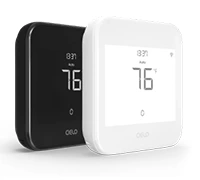
Budget-friendly smart thermostat for central HVAC systems. A thermostat that guarantees savings.
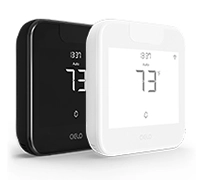
Award-winning smart thermostat for mini-splits. Technology that goes above & beyond.
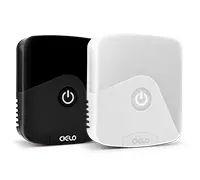
Sleekest smart thermostat for mini-split, window & portable ACs. A design that magically blends.

Smart mini-split thermostat that is engineered for affordable comfort. Small in size, big in benefits.
HSPF2
HSPF2 (Heating Seasonal Performance Factor) measures how efficiently a heat pump provides heating over an entire heating season. It reflects the total heat output compared to the electricity consumed.
Benefits of High CAE
-
A higher CAE rating directly translates to lower heating bills.
-
High-efficiency units help lower your carbon footprint.
-
Many high-CAE systems qualify for federal tax credits