
A humidifier adds moisture to indoor air, helping maintain ideal humidity levels. It’s particularly beneficial during dry winter months, easing allergy symptoms and preventing chapped lips and irritated sinuses. Balanced humidity supports respiratory health and creates a more comfortable environment.
How Does a Humidifier Work?
A humidifier works by converting water into vapor and releasing it into the air, using different mechanisms depending on the type. As indoor air absorbs this moisture, relative humidity increases, creating a more balanced and comfortable environment. Most humidifiers are controlled by a humidistat, which adjusts the operation to maintain desired humidity levels.
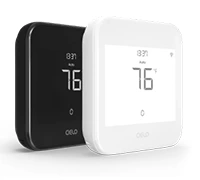
Budget-friendly smart thermostat for central HVAC systems. A thermostat that guarantees savings.
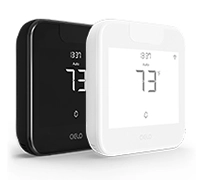
Award-winning smart thermostat for mini-splits. Technology that goes above & beyond.
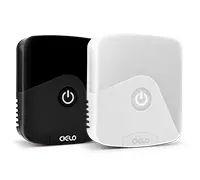
Sleekest smart thermostat for mini-split, window & portable ACs. A design that magically blends.
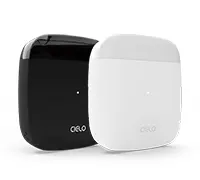
Smart mini-split thermostat that is engineered for affordable comfort. Small in size, big in benefits.
There are two main categories of humidifiers:
-
Whole-House Humidifier
It is connected to your HVAC system and your home water line. A whole-house humidifier automatically regulates humidity throughout the house by distributing moist air through the system’s ductwork.
-
Portable Humidifier
They are standalone units designed for single-room coverage. These require manual refilling and adjustment but offer flexible placement and ease of use.
What Is Relative Humidity?
Relative Humidity (RH) measures the amount of moisture in the air compared to how much it can hold at a specific temperature. For example, 50% RH means the air is holding half the moisture it can hold. Maintaining RH between 30% and 50% helps balance comfort and energy efficiency.
Benefits of a Humidifier
Using a humidifier offers several benefits that enhance both comfort and indoor air quality. It helps reduce dry skin, throat irritation, and static shocks, making your home environment more comfortable during dry seasons. Keeping nasal passages hydrated also supports easier breathing and relieves respiratory discomfort.
Beyond health, a humidifier protects your home’s interior by preventing issues such as cracked wood, peeling paint, and warped floors. Additionally, since moist air feels warmer, you can maintain comfort at lower thermostat settings, improving energy efficiency. Proper humidity levels also promote the longevity of indoor plants and wooden furniture by preserving their natural moisture balance.
Which Type of Humidifier Should You Use?
The right type of humidifier for your home depends on your specific needs and preferences. When deciding, consider factors such as the size of the area you want to humidify, your budget, and the level of maintenance you’re comfortable with.
You should also consider your household’s unique needs, including any children or pets. If you’re opting for a whole-home humidifier, it’s best to consult your HVAC contractor. They can assess your existing system and recommend the model that best suits your home and family.
Smart Thermostat With Humidity Control
Cielo Smart Thermostat not only maintains a perfect temperature but also monitors and regulates indoor humidity, creating a healthier, more comfortable environment. It can be paired with a whole-house humidifier to automate its operation. You have to set your preferred humidity levels, and the thermostat will turn the humidifier on/off accordingly.