
Ultraviolet lights are used to kill microorganisms such as viruses, bacteria, and fungi. In HVAC systems, UV lights are installed in the ductwork or near the evaporator coil to sterilize the air and eliminate contaminants. They are designed to improve indoor air quality and maintain system efficiency.
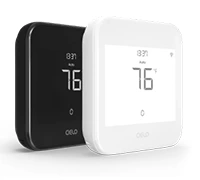
Budget-friendly smart thermostat for central HVAC systems. A thermostat that guarantees savings.
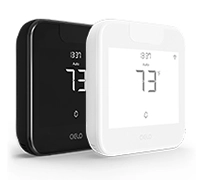
Award-winning smart thermostat for mini-splits. Technology that goes above & beyond.
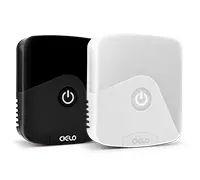
Sleekest smart thermostat for mini-split, window & portable ACs. A design that magically blends.
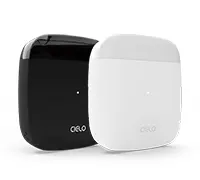
Smart mini-split thermostat that is engineered for affordable comfort. Small in size, big in benefits.
Types of HVAC UV Lights
There are two main types of HVAC UV Lights:
-
Coil Sanitizing Lights
Coil sanitizing lights, also known as UVC lights, are thin fluorescent bulbs that are placed above or next to the evaporator coil.
The evaporator coil carries the refrigerant that absorbs the heat and humidity from the indoor air. Since the coil area is moist, it can become a breeding ground for mold and mildew growth. The purpose of the coil sterilizing lights is to kill microorganisms before they have a chance to reach your home.
-
Air Sanitizing Lights
Air sanitizing lights are UV lamps installed inside the ductwork, designed to disinfect the air as it passes through the return ducts. They neutralize all the pathogens, including bacteria, viruses, and mold spores. UV lamps are installed on the ductwork and work as an air sterlizer.
They are hardwired into the HVAC system and automatically turn on and off with your system’s operation, providing continuous, efficient air sterilization.
Maintenance of UV Lights
UV lights can accumulate dust and need to be cleaned every couple of months. They also lose potency over time and require replacement every 12 or 24 months, depending on their model.
Key Benefits of UV Lights
Americans spend up to 90% of their time indoors, where pollutant levels can be two to five times higher. UV lights can make a noticeable difference for allergy sufferers, families with pets, or anyone wanting cleaner, healthier air. They also help eliminate musty odors caused by mold inside the HVAC system. By keeping the evaporator coil free of microbial buildup, UV lights improve airflow and reduce strain on your system, potentially lowering energy consumption.