Cielo
Cielo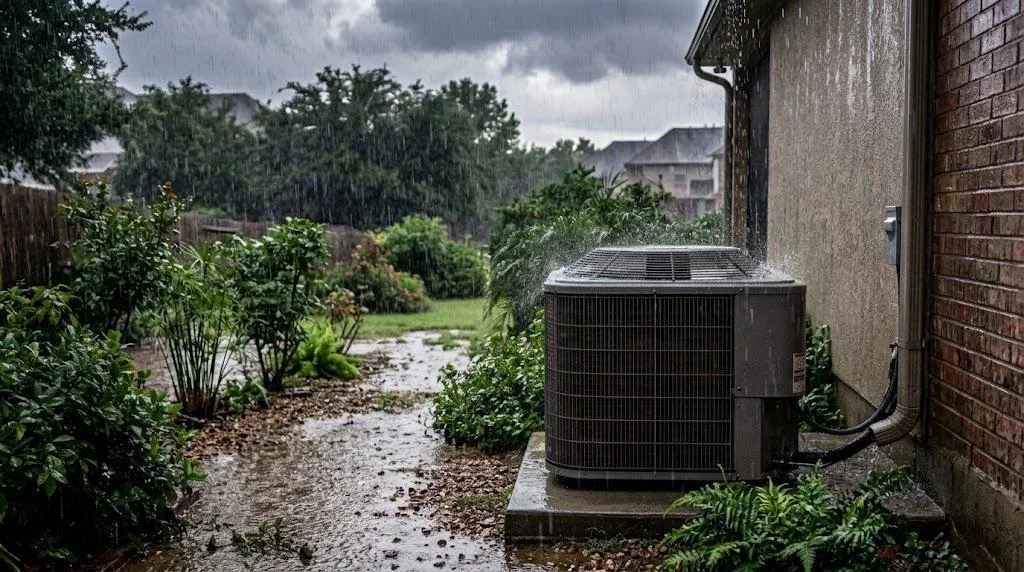
Key Takeaways
- Running your AC during a lightning storm can expose it to power surges that may damage critical components.
- The safest way to protect your air conditioner is to turn it off when a severe thunderstorm is predicted.
- Simple precautions and post-storm inspections can help prevent costly HVAC repairs.
Thunderstorms can develop quickly, bringing lightning, heavy rain, and strong winds. While most people know to stay indoors and avoid open areas during a storm, many overlook the potential impact lightning can have on the electrical appliances inside their homes, including the air conditioner.
At first glance, it might not seem like a major concern. After all, your air conditioner is designed to operate in all kinds of weather. However, lightning introduces a different level of risk, one that can impact your AC system if proper precautions aren’t in place.
So, should you run your air conditioner during a lightning storm? Let’s take a closer look.
Meet the Experts
- Matt Grubb is an HVAC expert and President at First Response Heating & Cooling
- Dustin Caison is an HVAC professional and Operations Manager at Southern Air
- Eli Zimmer is an HVAC professional and CEO at Luxaire HVAC Services
Should You Run Your Air Conditioner During Lightning?
Running your air conditioner during a lightning storm is a risk that’s not worth taking. Lightning carries extremely high voltage, and when it strikes power lines, transformers, or even the ground near your home, it can create sudden spikes in electrical current. These surges travel through power lines and into connected systems, including your HVAC unit. Because your air conditioner is directly wired into your home electrical system, it becomes a potential target for that excess voltage.
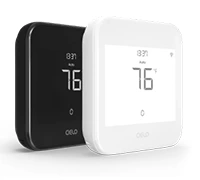
Budget-friendly smart thermostat for central HVAC systems. A thermostat that guarantees savings.
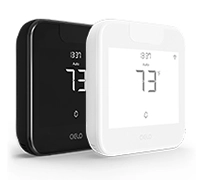
Award-winning smart thermostat for mini-splits. Technology that goes above & beyond.
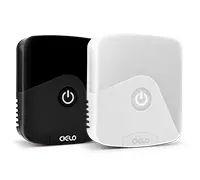
Sleekest smart thermostat for mini-split, window & portable ACs. A design that magically blends.
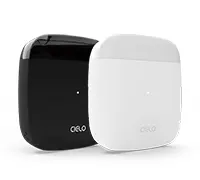
Smart mini-split thermostat that is engineered for affordable comfort. Small in size, big in benefits.
The safest approach is to turn your AC off, especially if the lightning is frequent or intense. And even if you have surge protection installed, it’s still smart to shut your AC off during a storm rather than rely on it alone.
“Generally, it’s wise to turn your AC off during a lightning storm. You should both turn your thermostat setting to off and go to the control panel and flip the breaker,” says Eli Zimmer, an HVAC professional at Luxaire HVAC Services.
Shutting down the AC limits the flow of electricity through the system at the exact moment power fluctuations are most likely to occur.
Why Air Conditioners Are at Risk During Thunderstorms
Air conditioners rely on a combination of mechanical and electronic components to function efficiently, which makes them vulnerable during electrical storms. When a power surge caused by lightning enters your home, it doesn’t need to strike the AC unit directly to cause damage.
The surge can travel through your electrical panel and reach the air conditioner, affecting critical components such as the compressor, capacitor, and control board. Damage isn’t always contained to the AC unit; it can extend to other parts of your heating and cooling system, including the thermostat. Older air conditioners showing signs of wear are especially prone to lightning-related damage.
“There is a greater risk of the entire system and wiring being damaged due to a power surge. Lightning can also definitely damage your connected smart thermostat. This is why surge protectors are so important, as is properly grounding your HVAC and electrical systems,” says Eli Zimmer.
What Happens If Lightning Hits Your AC Directly?
If lightning strikes your air conditioning unit directly, the damage is usually immediate and severe. The intense energy can burn wiring, destroy internal components, and in extreme cases, even start a fire. Fortunately, direct strikes are relatively rare; most storm-related AC damage comes from surges traveling through the electrical system rather than a direct hit.
What to Do Before a Storm to Protect Your Air Conditioner
A little preparation before a storm can save you from a costly repair afterward. Here’s what to do as soon as you see a storm in the forecast:
- Lower your thermostat a few degrees in advance. This helps keep the home comfortable once you have to turn off the AC.
- Switch your thermostat to off and flip the breaker connected to your HVAC system. This fully disconnects the unit from the electrical grid, so a surge has no path to reach it.
- Secure the area around the outdoor unit. High winds can send debris flying into your condenser. Clear loose branches, patio furniture, or anything nearby that could hit it. Also, cover the outdoor unit with a tarp or sheet of plywood to protect it from flying debris.
- Check your surge protection. A whole-home surge protector adds a layer of defense, but it isn’t foolproof against a direct or nearby lightning strike. Use it as a backup to manually turn off the power.
Post-Storm HVAC Assessment
Once the storm passes, resist the urge to switch your AC back on immediately. A quick inspection can prevent further damage and help you catch problems before they lead to a full system failure.
- Check your circuit breaker. Tripped circuits, even with power still on, can be a sign your home experienced a lightning strike. If you suspect storm damage, contact an electrician before turning on any appliances connected to a broken circuit.
- Inspect the outdoor unit. Look for visible damage to the condenser, including bent fins, debris inside the unit, or scorch marks that could indicate a power surge.
- Check for unusual smells or sounds. A burning smell, buzzing, or grinding noise when you power the system back on is a sign something may be wrong internally. Turn off the AC immediately and call a professional.
- Monitor performance over the next few days. Keep an eye on whether the system is cooling normally, cycling on and off correctly, and reaching the temperature you’ve set.
- Test your thermostat. Storms can damage thermostats just as easily as the AC unit itself. If the display is unresponsive, shows errors, or does not communicate with the system, it may need to be reset or replaced.
Tips to Protect Your AC from Lightning Damage
The most reliable way to safeguard your air conditioner is to combine good habits with preventive measures.
Install a Whole-Home Surge Protector
One of the most effective solutions is installing a whole-home surge protector. Unlike basic power strips, these systems are designed to handle large voltage spikes and protect major appliances, including your HVAC system.
Mark Grub, President of First Response Heating & Cooling, says, “To prevent a costly emergency, it’s best to install dedicated surge protectors directly at the outdoor unit’s disconnect box. During severe, active electrical storms, the safest move is to temporarily turn your system off at the thermostat to minimize the risk of high-voltage component failure.”
Proper Grounding
Proper grounding is another essential factor. A well-grounded AC unit allows excess electrical energy to safely dissipate into the ground rather than passing through the system’s components. This significantly reduces the risk of internal damage during a surge.
Regular HVAC Maintenance
Regular maintenance also plays a key role. Over time, electrical connections can loosen, and components can wear out, making the system more vulnerable to sudden voltage fluctuations. Routine inspections ensure that your AC is in good condition and better equipped to handle external stress.
“If your unit is older and already showing signs of wear (short cycling, inconsistent output), a nearby strike gives a struggling system the excuse it needs to quit entirely. A weakened system has far less tolerance for any kind of electrical stress,” says Dustin Caison, an HVAC expert at Southern Air.
Dedicated Lightning Protection System
For homeowners in areas that experience frequent thunderstorms, installing a dedicated lightning protection system can provide an added layer of security. These systems are designed to intercept lightning strikes and safely direct the energy away from your home’s electrical infrastructure.
Final Thoughts
Lightning-related power surges can damage your unit, leading to costly repairs or reduced lifespan over time. Taking simple precautions, such as turning off your AC during severe storms and investing in proper surge protection, can go a long way in keeping your system safe. Combined with regular maintenance and proper installation practices, these steps help ensure that your air conditioner continues to perform reliably, no matter what the weather brings.
Frequently Asked Questions
Can I Use AC During a Rainstorm?
A regular rainstorm won't affect your AC's performance. Running your AC in rainy weather may actually improve your comfort, as the unit pulls excess moisture from the air while it conditions your home.
However, you shouldn't run your AC during flooding. If water starts pooling around your outdoor unit, cut the power at your home's electrical panel and leave the system off until a technician has had a chance to inspect it.
Can You Run Window AC During Thunderstorm?
Window units are just as vulnerable as other types of air conditioners because both are wired into your electrical system. A window unit is also mounted directly on an exterior wall, which can leave it more exposed during severe storms. Unplug window and portable units before a storm hits, rather than relying on the power switch alone.
When Else Should I Avoid Running My AC?
You should also avoid running your AC:
- During wildfires or heavy smog: The window and portable AC can pull in air from outside, which can bring smoke and pollutants into your home along with it.
- When outdoor temperatures drop below 60°F: Cold temperatures can cause the evaporator coil to freeze, which can damage the unit over time.
- During a power outage: A surge when the power is restored can damage your unit