Cielo
Upgrading an HVAC system is a significant investment. While a new system may offer better efficiency, improved comfort, and lower energy use, the upfront cost often raises an important question: How long will it take for the investment to pay for itself?
This is where HVAC payback analysis comes in. By comparing the initial investment with the expected energy savings and other financial benefits, you can estimate how long it will take to recover the cost of an HVAC upgrade.
What Is HVAC Payback & How Is It Calculated?
An HVAC payback period estimates how long it will take for the savings generated by an HVAC investment to equal its initial cost.
These savings may come from reduced energy consumption, lower maintenance, fewer repairs, and improved system performance. The analysis is particularly useful when comparing an existing HVAC system with a more efficient replacement.
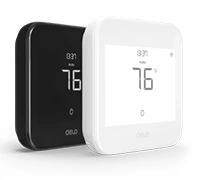
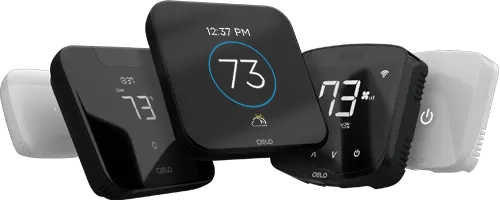
Budget-friendly smart thermostat for central HVAC systems. A thermostat that guarantees savings.
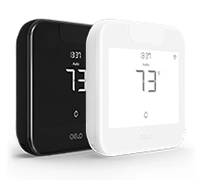
Award-winning smart thermostat for mini-splits. Technology that goes above & beyond.
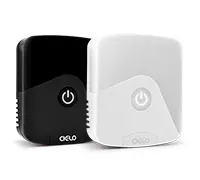
Sleekest smart thermostat for mini-split, window & portable ACs. A design that magically blends.
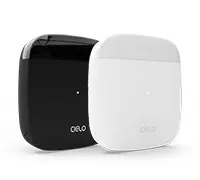
Smart mini-split thermostat that is engineered for affordable comfort. Small in size, big in benefits.
How to Calculate HVAC Payback
The basic HVAC payback formula is straightforward:
- Payback Period = Net Initial Investment ÷ Annual Savings
The initial investment is the total upfront cost minus any applicable rebates, incentives, or other upfront benefits. Annual savings represent the difference between the expected yearly operating costs before and after the upgrade.
For example, if a homeowner invests $1,500 in an HVAC upgrade and saves approximately $300 annually on energy costs, the simple payback period is five years.
Although this calculation provides a useful starting point, the actual payback period depends on factors such as energy prices, usage patterns, thermostat settings, climate conditions, and equipment efficiency.
Key Factors That Affect HVAC Payback Period
Several variables influence how quickly an HVAC investment pays for itself, including:
-
Initial Equipment & Installation Costs
The upfront investment includes equipment, labor, electrical work, ductwork modifications, and any additional components required for installation.
A more expensive system may offer greater efficiency, but a higher purchase price does not automatically guarantee a shorter payback period. Compare the additional cost with the expected annual savings to determine whether the upgrade makes financial sense.
-
Energy Efficiency
HVAC efficiency directly affects energy consumption and operating expenses. More efficient equipment can deliver the same heating or cooling output while using less energy. When comparing systems, review the relevant efficiency ratings, such as SEER2 (Seasonal Energy Efficiency Ratio) and AFUE (Annual Fuel Utilization Efficiency).
However, rated efficiency alone does not determine actual savings. Installation quality, system sizing, maintenance, and operating conditions also influence long-term savings.
-
Energy Prices
Electricity and fuel rates play an important role in payback calculations. As energy prices rise, the financial benefits of reducing consumption may grow.
For a more accurate estimate, use actual utility bills and local energy rates rather than relying entirely on national averages or manufacturer estimates.
-
Usage Patterns
The more frequently you use your HVAC system, the greater the potential savings from an efficiency upgrade. For example, homes in regions with long, hot summers may run their air conditioners more often, increasing the opportunity to save energy.
On the other hand, homes that use their HVAC systems less frequently may take longer to recover the cost of an upgrade through energy savings.
-
Maintenance and Equipment Lifespan
Regular maintenance helps HVAC systems operate efficiently and may reduce the likelihood of unexpected repairs. These potential savings can be included in a broader payback analysis.
Why Energy Bills Don’t Tell the Whole Story About HVAC Payback
Annual energy savings are only one part of deciding whether to replace your HVAC system. An efficient system can offer several additional benefits that go beyond what you see on your energy bill.
- Modern variable-capacity systems can run longer at lower output levels, helping maintain a more consistent climate throughout your home and reducing temperature swings.
- Longer operating cycles can help remove more moisture from indoor air, improving comfort.
These benefits may add value to an HVAC upgrade, even when the energy savings alone take longer than expected to recover the initial investment.
The Role of Smart Thermostats in HVAC Payback Analysis
HVAC payback analysis is not limited to replacing heating and cooling equipment. Smaller upgrades, including smart thermostats, can also deliver measurable benefits.
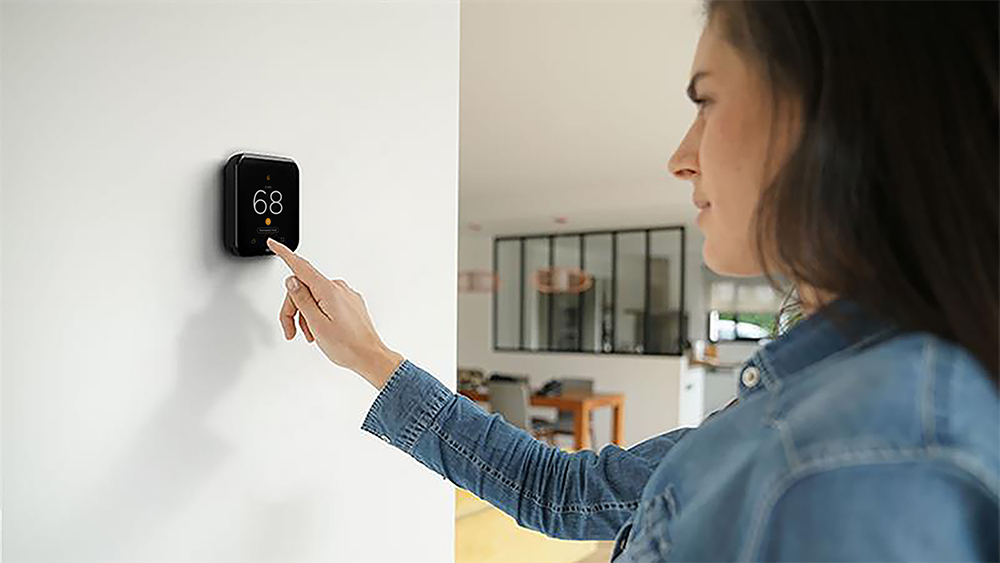
Smart thermostats can help homeowners manage temperature settings through scheduling, remote access, and other automated controls. By adjusting heating and cooling operations around occupancy patterns and comfort preferences, these devices reduce unnecessary energy consumption.
For example, a homeowner who frequently forgets to adjust the thermostat before leaving home may benefit from automated schedules or location-based controls.
Equip your HVAC system with smart features and achieve the perfect balance between comfort & savings.
Learn more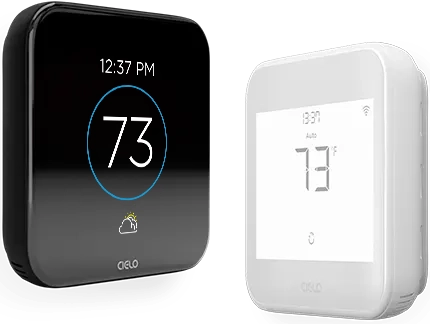
Why Your HVAC Payback Period May Be Longer Than Expected
The payback period can increase if you install a high-efficiency HVAC system without addressing existing home problems.
Issues such as leaky ducts, blocked vents, and poor insulation can reduce your system’s overall efficiency.
Even high-quality equipment may struggle to deliver expected energy savings when these problems remain unresolved.
In some homes, fixing these underlying issues first can improve HVAC performance, reduce energy waste, and help shorten the payback period of a new system.
In Conclusion
HVAC payback analysis provides a practical way to evaluate the financial benefits of energy-efficient equipment and control upgrades. By comparing the net upfront investment with expected annual savings, homeowners can estimate how long an upgrade may take to pay for itself.
However, the shortest payback period is not always the only factor worth considering. Comfort, reliability, maintenance requirements, equipment lifespan, and long-term operating costs also influence the overall value of an HVAC investment. Whether you are replacing an aging system or adding smart climate controls, a well-informed payback analysis helps you compare options, set realistic expectations, and make decisions that support both comfort and energy efficiency.