Cielo
Cielo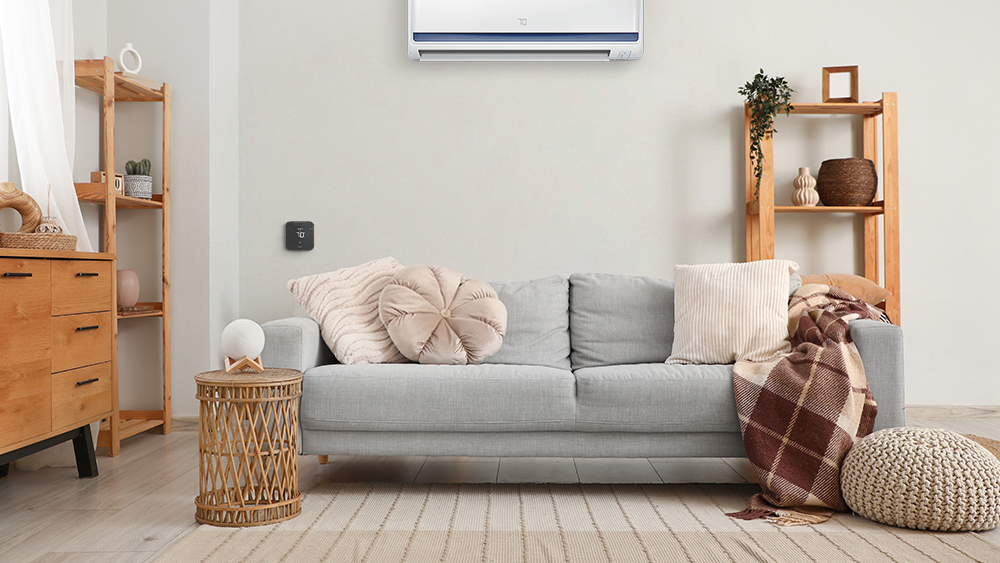
Key Takeaways
- Set your thermostat between 68°F and 70°F for a comfortable indoor climate in fall.
- Use Auto mode to automatically switch between heating and cooling.
- Use a smart thermostat to schedule temperature changes around your routine.
Fall is marked by big temperature swings with cool mornings and evenings paired with warm afternoons. These fluctuations can make it difficult to maintain a comfortable indoor climate. Finding the right thermostat setting can help you stay cozy while avoiding unnecessary energy use.
So, what temperature should you set your thermostat in fall? And can a smart thermostat help manage temperature changes throughout the day?
Let’s find out!
Ideal Thermostat Setting for Fall
For most homes, 68°F to 70°F is an ideal temperature range for comfort and savings. However, the exact setting may depend on your local climate, home insulation, and personal preferences.
For additional energy savings, set back your thermostat 7-10 degrees from your usual setting for eight hours a day. This can save up to 10% annually on heating and cooling costs.
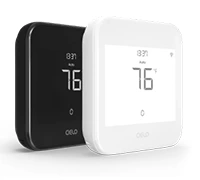
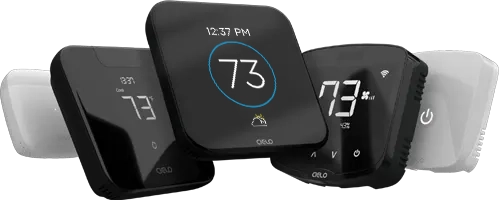
Budget-friendly smart thermostat for central HVAC systems. A thermostat that guarantees savings.
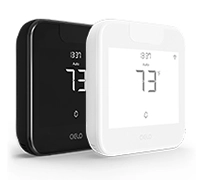
Award-winning smart thermostat for mini-splits. Technology that goes above & beyond.
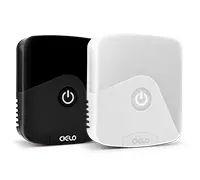
Sleekest smart thermostat for mini-split, window & portable ACs. A design that magically blends.
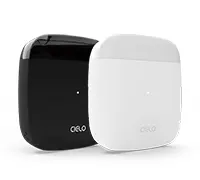
Smart mini-split thermostat that is engineered for affordable comfort. Small in size, big in benefits.
Should You Use Heat or Cool Mode in Fall?
In fall, you may need to run the air conditioner during a sunny afternoon but switch to heat once temperatures drop in the evening.
Instead of keeping a fixed temperature setpoint and mode from morning to night, adjust your settings to match your schedule and outdoor conditions.
You can also use auto mode to automatically switch between heating and cooling as needed, helping maintain a comfortable indoor climate. The system calls for heating or cooling when the indoor temperature moves outside that range.
Should You Turn Off Your HVAC Unit on Mild Days?
On mild days, you can turn off your HVAC system if your home already feels comfortable. Opening windows can also help bring in fresh air when outdoor conditions are pleasant.
Keep a few things in mind:
- Check outdoor temperatures before opening windows, especially if the evening is expected to be colder.
- Consider outdoor air quality, humidity, pollen, and security before leaving windows open.
- Close windows before outdoor temperature drops at night.
How Can a Smart Thermostat Automate Temperature Adjustments?
Changing your thermostat several times a day can quickly become a chore. A smart thermostat can take some of that work off your hands. With features such as remote control and scheduling, you can set temperatures around your daily routine and adjust them whenever your plans or the weather changes.
Equip your HVAC system with smart features and achieve the perfect balance between comfort & savings.
Learn more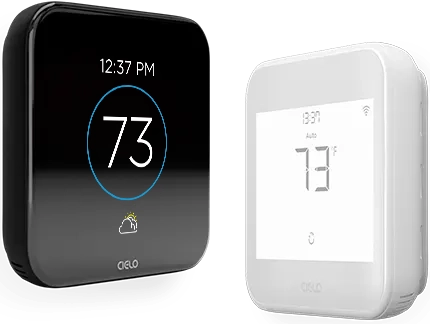
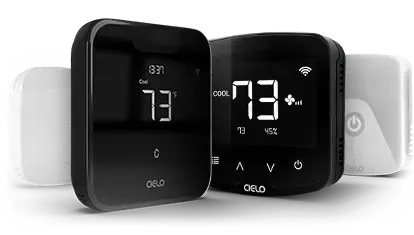
You can also invest in a smart thermostat for mini-splits if you have ductless systems. You can automate your indoor climate, set different schedules for different times of day, and adjust settings from your phone while you’re away.
Your best choice to make any mini-split, window,
or portable AC smart. Enhance your comfort and savings.
Prepare Your HVAC System for Heating Season
A few simple HVAC maintenance tasks can help keep your unit operating efficiently during the colder months.
- Check your air filter. Inspect it monthly and clean or replace it as needed, following the manufacturer’s recommendations. A dirty filter can restrict airflow and make your system work harder.
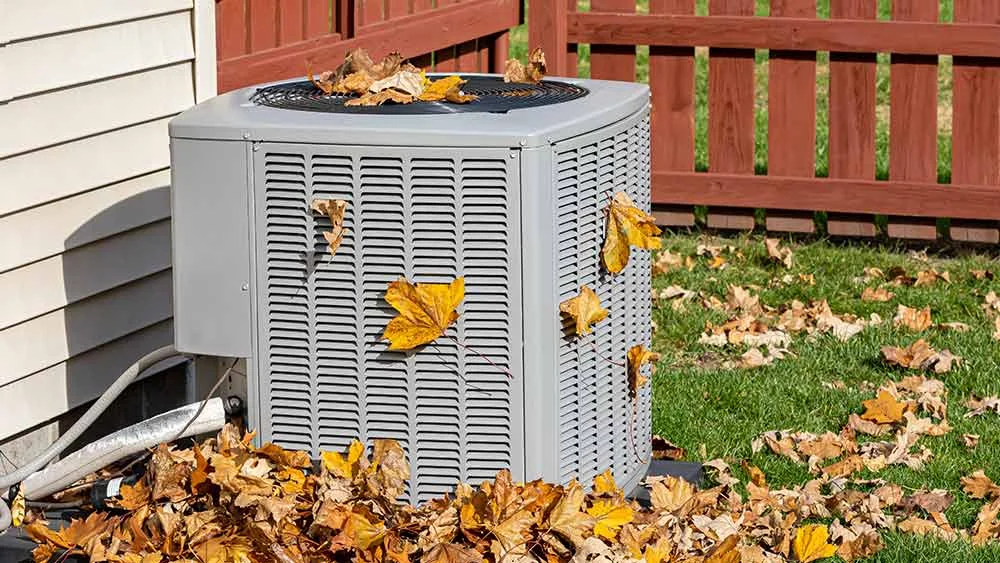
- Clear the area around your equipment. Remove leaves, dust, and other debris from outdoor units.
- Review your thermostat settings. Adjust your mode and temperature setpoint before the heating season sets in.
- Schedule professional maintenance. If your system is due for a tune-up, schedule a checkup before HVAC professionals get busy during the heating season.
Final Thoughts
The best fall thermostat temperature keeps your home comfortable without running your HVAC system unnecessarily. For many households, 68°F to 70°F is a comfortable range.
Adjust your thermostat to suit your routine, use heating or cooling only when needed, and use scheduling or remote controls to simplify seasonal changes. Also, don’t forget to perform maintenance tasks before the cold weather sets in.