Cielo
Key Takeaways
- Common thermostat myths include that thermostat placement doesn’t matter and maintaining a constant temperature saves money.
- Optimal thermostat placement helps ensure accurate temperature readings.
- Set your thermostat back when you’re asleep or away to reduce energy consumption.
Your thermostat plays an important role in your home comfort and energy use. However, misconceptions about how thermostats work can lead to unnecessary adjustments, higher energy bills, and inefficient HVAC operation.
Let’s separate fact from fiction and debunk six common thermostat myths.
- Myth 1: Keeping Your Thermostat at One Temperature All Day Saves Energy
- Myth 2: Thermostat Placement Doesn't Matter
- Myth 3: Setting the Thermostat Lower or (Higher) Will Cool or (Heat) Your Home Faster
- Myth 4: All Thermostats Offer the Same Level of Control
- Myth 5: Emergency Heat Can Warm Your Home Faster
- Myth 6: All Thermostats Require Professional Installation
- Final Thoughts
Meet the Experts
- Jeffery Chase is an HVAC technician at HVAC Express.
- Tim Alagushov is a co-founder and HVAC expert at IRBIS HVAC
Myth 1: Keeping Your Thermostat at One Temperature All Day Saves Energy
Fact: Maintaining the same temperature all day means unnecessary heating or cooling when you don’t need it, such as when you’re away from home.
Many homeowners think maintaining a constant temperature is cheaper because reheating or recooling the house will use more energy.
However, that’s not true. A cooler house loses heat more slowly, so your heating system uses less energy overall, even when you factor in the energy needed to warm the house back up. The same rule applies to cooling. Allowing your home to get warm in summer slows the rate at which heat enters from outdoors, helping to reduce energy consumption.
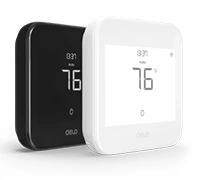
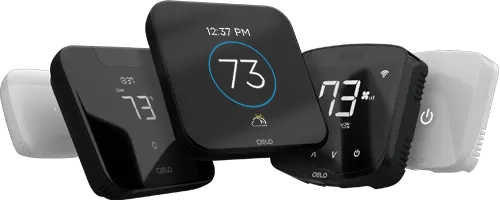
Budget-friendly smart thermostat for central HVAC systems. A thermostat that guarantees savings.
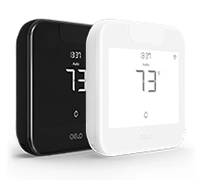
Award-winning smart thermostat for mini-splits. Technology that goes above & beyond.
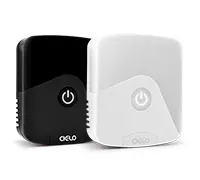
Sleekest smart thermostat for mini-split, window & portable ACs. A design that magically blends.
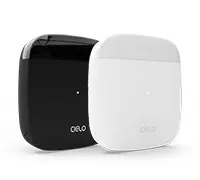
Smart mini-split thermostat that is engineered for affordable comfort. Small in size, big in benefits.
The best approach is to adjust your thermostat while you’re asleep or away, which can help reduce energy use without sacrificing comfort.
According to ENERGY STAR, adjusting the temperature 5 – 8 degrees from your usual settings can help save energy.
Tip: A smart thermostat can manage these adjustments automatically, so you don’t have to change the settings manually throughout the day.
Equip your HVAC system with smart features and achieve the perfect balance between comfort & savings.
Learn more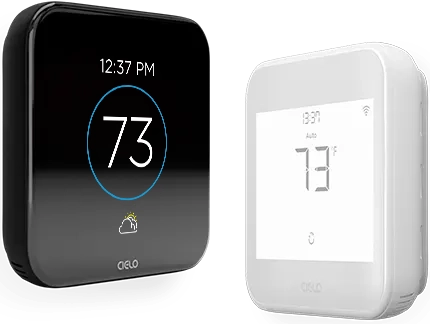
Myth 2: Thermostat Placement Doesn’t Matter
Fact: Where you install your thermostat affects how accurately it measures the indoor temperature.
A thermostat measures the temperature around the area where it’s installed. If your thermostat placement is in a spot that’s unusually hot or cold, its readings will not accurately reflect your indoor temperature.
Tim Alagushov says, “Installing your thermostat in direct sunlight, near a window or door, or close to cooking appliances can cause misleading readings. This can cause your system to run longer than needed or shut off before other rooms are comfortable. Hallways can also be poor locations because their temperatures may not reflect the rooms where people spend most of their time.”
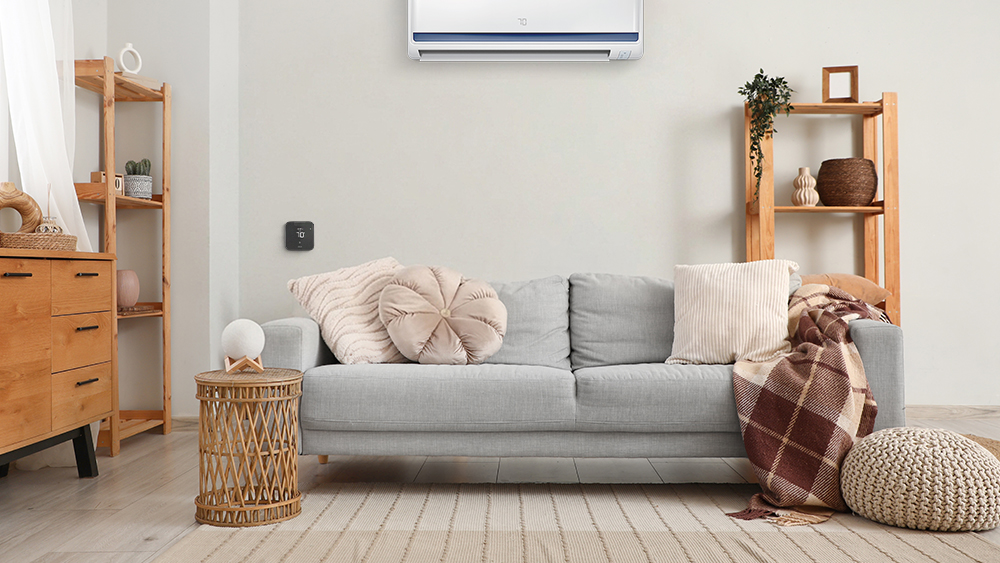
For accurate readings, install your thermostat on an interior wall in a central location with good air circulation. Keep it away from direct sunlight, exterior doors, windows, air vents, drafts, and heat-producing appliances.
Myth 3: Setting the Thermostat Lower or (Higher) Will Cool or (Heat) Your Home Faster
Fact: Setting an extreme temperature won’t make your home heat or cool faster.
If your home is at 62°F and you set the thermostat to 72°F, your heating system won’t necessarily warm the space any faster. Similarly, lowering your thermostat won’t make your air conditioner cool more quickly.
The HVAC systems operate at a steady rate, regardless of how far the set temperature is from the current indoor temperature. Setting an extreme temperature makes the system run longer than necessary, wasting energy.
Jeffery Chase, an HVAC technician, says, “By cranking up the thermostat, all you’ve done is guarantee that your system runs longer than it needs to, burns more electricity, and probably overshoots the temperature you actually wanted. Just set a comfortable temperature, leave the thermostat alone, and walk away.”
For a balance of comfort and energy savings, set your thermostat to 78°F when you’re home in summer. It’s recommended to set your thermostat between 68°F and 70°F in winter while you’re awake and at home.
Myth 4: All Thermostats Offer the Same Level of Control
Fact: Thermostats vary in terms of control, connectivity, and automation.
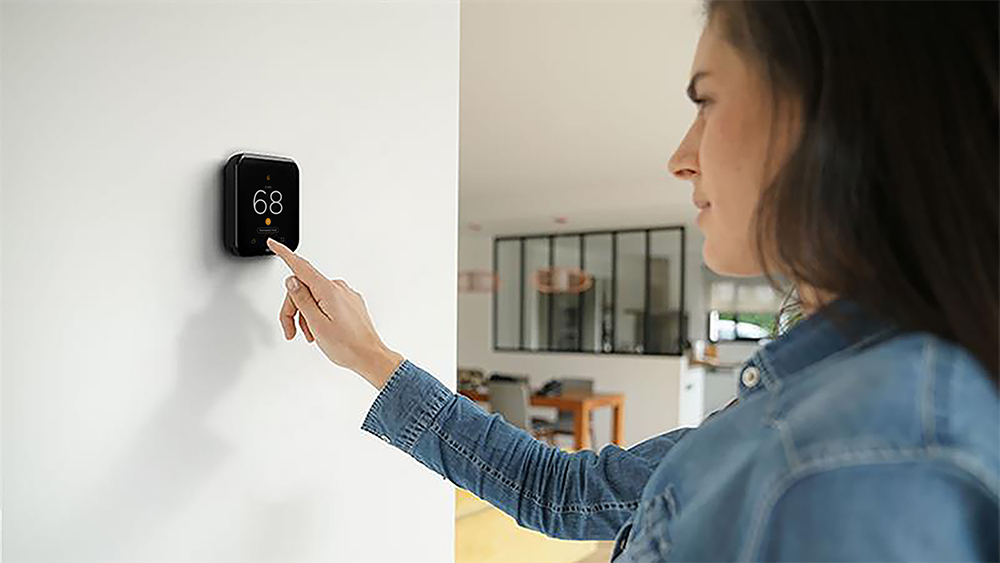
Non-programmable thermostats require manual adjustments. Programmable thermostats allow you to set different schedules, such as when you wake up, leave home, or go to sleep. Wi-Fi thermostats allow you to control your home temperature remotely through a smartphone.
Then there are smart thermostats. They differ from the Wi-Fi thermostats in their level of automation. They can automatically adjust based on factors like indoor climate, usage patterns, and weather conditions without manual intervention.
Smart thermostats can offer additional features, such as energy usage insights, location-based controls, and integration with other smart home devices. Some models can also learn your temperature preferences and adjust settings automatically. These features can make it easier to manage your home climate around your daily routine.
Before buying a thermostat, compare its features and compatibility requirements. Consider whether remote access, scheduling, energy tracking, or automated adjustments would be useful for your home.
Myth 5: Emergency Heat Can Warm Your Home Faster
Fact: Emergency Heat is a backup setting for heat pumps, not a shortcut to faster heating.
Emergency Heat is generally intended for situations in which the heat pump is malfunctioning or cannot operate, not simply because your home feels too cold.
Backup heat costs more to run, so it should only be used in case of an emergency.
Note: If your heat pump isn’t reaching your desired temperature, contact an HVAC professional before switching to Emergency Heat.
Myth 6: All Thermostats Require Professional Installation
Fact: Some thermostats are suitable for DIY installation, while others require professional help.
You can install a thermostat yourself, depending on the model, your existing wiring, and your HVAC system.
Many manufacturers provide step-by-step installation guides and videos to help homeowners through the process. However, not every thermostat is compatible with every HVAC system, and some installations require additional wiring or accessories, which may require professional assistance.
Before purchasing a thermostat, check its compatibility with your HVAC system and review the manufacturer’s installation instructions. If you’re unfamiliar with thermostat wiring or your system requires specialized connections, consult a qualified HVAC professional.
Final Thoughts
Understanding how your thermostat works can help you maintain a comfortable home and avoid unnecessary energy use.
Remember, setting an extreme temperature won’t necessarily heat or cool your home faster; thermostat placement affects temperature readings, and small adjustments can save energy. Choosing a thermostat with the right features for your needs can also make managing your home climate easier.
A few simple changes to how you use your thermostat can make a meaningful difference in your home comfort and energy efficiency.