Cielo
Key Takeaways
- The ideal sleep temperature is between 65°F and 68°F.
- A cooler room temperature supports the body’s natural circadian rhythm, as core body temperature decreases at night to facilitate sleep.
- A smart thermostat helps maintain your ideal sleeping temperature with smart triggers and weekly schedules.
A comfortable temperature is essential, period! Whether you are simply lounging around, watching TV, busy in the kitchen, or doing laundry, the temperature needs to be just perfect. An ideal sleeping temperature supports sound, comfortable sleep. Many things, including your mood, activity levels, and even appetite, are strongly influenced by your living space temperature.
There is nothing worse than waking up in the middle of the night. Even if you go to bed with the perfect room temperature, it can change overnight, causing discomfort. Moreover, your body temperature drops during sleep and isn’t the same as when you are awake. You can ensure the ideal sleep temperature throughout the night by automating your climate control with a smart thermostat or smart AC controller if you have a mini-split, window, or portable air conditioner.
Throughout the day, your body temperature regulates itself, rising and falling according to the time of day. This cyclical behavior is linked to the sleep cycle. During times of drowsiness, the body temperature falls and is at its lowest early in the morning, right around sunrise. From here on, it begins to rise. Because of this, temperature significantly affects your sleep. A cooler room temperature coupled with a decreased body temperature late at night is quite uncomfortable, especially when sleep is at its deepest.
So, you need full control over the temperature to ensure a night of sound sleep.
What Is the Science Behind Sleep Temperatures?
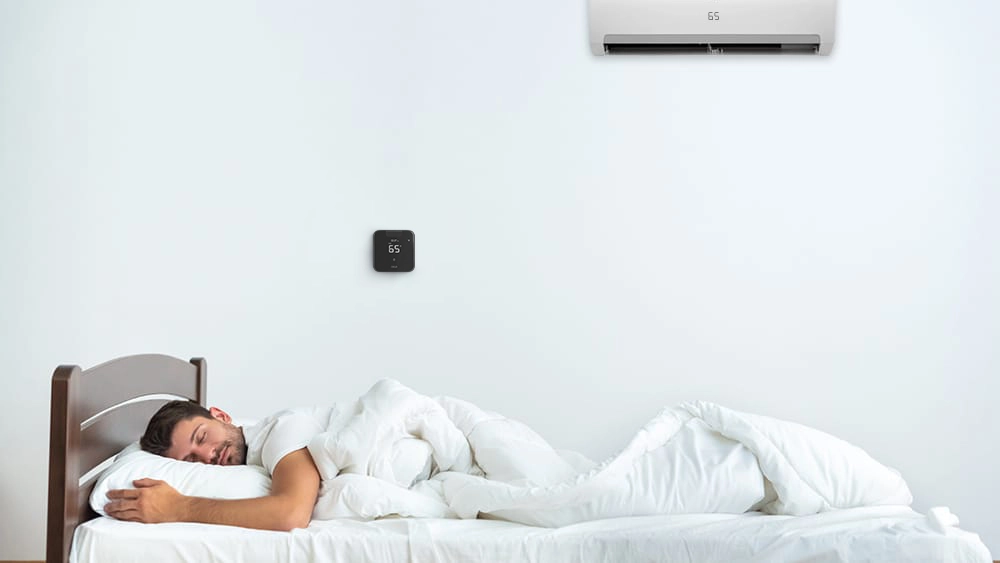
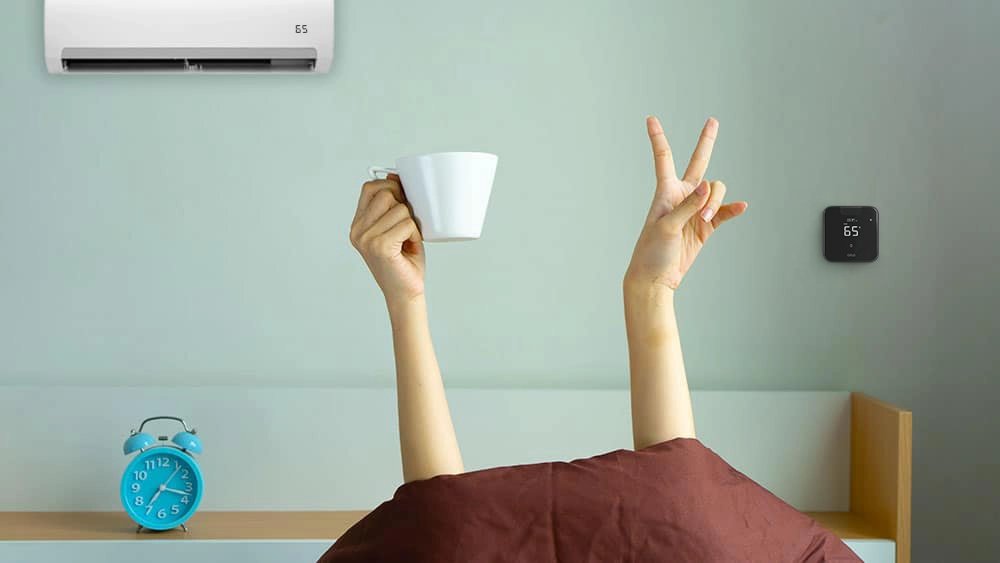
A range of 65°F to 68°F is the commonly accepted optimal sleeping temperature range, as it most closely matches the body’s internal temperature regulation.
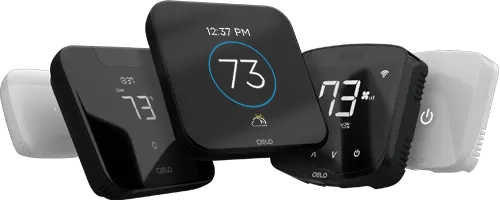
Budget-friendly smart thermostat for central HVAC systems. A thermostat that guarantees savings.
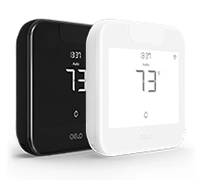
Award-winning smart thermostat for mini-splits. Technology that goes above & beyond.
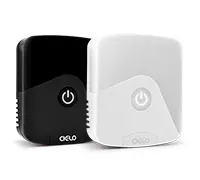
Sleekest smart thermostat for mini-split, window & portable ACs. A design that magically blends.
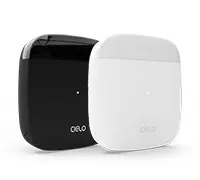
Smart mini-split thermostat that is engineered for affordable comfort. Small in size, big in benefits.
As discussed before, your body’s internal temperature varies constantly over 24 hours. This phenomenon is called the circadian rhythm. As bedtime approaches, the body begins to cool down and reaches its lowest point just before sunrise.
If the temperature difference between the room and your internal temperature is too great, it can make you uncomfortable and wake you from deep sleep.
Does Age Affect the Ideal Temperature?

Overall, adults’ preferred temperature does not change as they age. But for babies, this temperature can change, but only minutely. Babies may need a slightly warmer room, up to 69°F, but be careful not to exceed that.
How to Achieve an Ideal Sleeping Temperature?

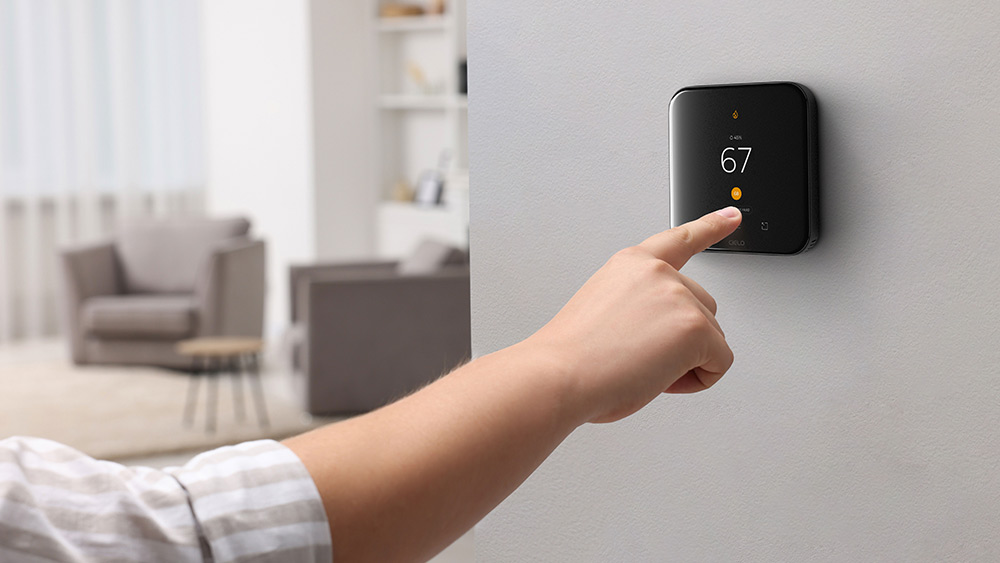
There are a few ways to maintain the optimal sleeping temperature throughout the night, but the most efficient is using a smart thermostat.
Related: Best Humidity Level for Sleeping
Set Schedules for Comfortable Sleep
Another way to keep the best temperature for sleep at night is to use the scheduling feature of smart thermostats. With Cielo smart thermostats, schedules of up to 7 days can be set up. For example, you can set the controller to maintain 68°F at 10 PM, by the time you go to bed. Then, as the hours progress, you can gradually lower the temperature to 65°F by around 4 AM and maintain it until well after sunrise. From there, you can raise the temperature back to the late 60s or even 70°F for the time you wake up for work.
Planning the whole night saves you the hassle of getting up in the middle of the night to change temperatures and AC modes. This helps you get a good night’s sleep.
Personalized Temperature Triggers
If you have a Cielo smart thermostat for mini-splits, you can set personalized temperature-based triggers using its Comfy mode feature.
These devices can work intelligently to maintain the ideal sleeping temperature throughout the night by operating the AC according to the conditions of your room. You can input your ideal sleep temperature and what settings you want if the room temperature goes above or below your range, and the room climate will be automated accordingly.
Prevent OverHeating or OverCooling While Sleeping
If your room gets too hot or too cold while you sleep, your sleep quality can suffer.
When the temperature is too high, you may feel restless as your slow-wave and rapid eye movement (REM) sleep stages are disrupted. Higher temperatures can also increase discomfort, especially with high humidity. This can make it harder to stay asleep and wake up feeling refreshed.
Cielo Breez Max helps prevent overheating and overcooling with its Comfy Max feature. Simply set your preferred temperature, and it will maintain your desired comfort level without overshooting. Enjoy a more consistent room temperature and a comfortable night’s sleep.
Energy Savings With Comfort!
Smart air conditioning gives you peace of mind at night and remarkable energy savings. Instead of running your air conditioner at maximum settings for short intervals at night, it is much more energy-efficient to keep it at a constant temperature that’s neither too cold nor too hot. This moderate setting keeps the room at an optimal sleeping temperature while using less power.
Other Useful Tips for a Good Sleep
Let us look briefly at some other helpful practices to get a peaceful sleep:
- Keep bedsheets appropriate for the season. Thick, quilted sheets in summer won’t help. Likewise, use a lightweight blanket during the summer months, as a thicker covering can cause overheating.
- Avoid caffeinated beverages, tea, or sodas late in the evening. These drinks can make you more active and prevent you from falling asleep quickly.
- Keep your room dark. Switch off any electronic devices that emit light, keep the blinds down, and do not use your phone in the dark.
- Keep a quiet environment while sleeping. Keep the room free of noise and disturbances. Again, switch off any electronic devices that emit noise.
Enjoy a Peaceful Sleep!

Keeping the best temperature for sleep is critical to attaining sound sleep every night. Without a good night’s rest, a person often feels tired and uncomfortable throughout the day, which is why it is important to watch your room temperature while you sleep.
As a rule of thumb, it is accepted that the colder a room is, the better the sleep. But the exact temperature varies from person to person, so you may need to experiment to find what works best for you. Using a smart thermostat makes the job of regulating the temperature throughout the night much easier and paves the way to having a good night’s sleep.