Cielo
Cielo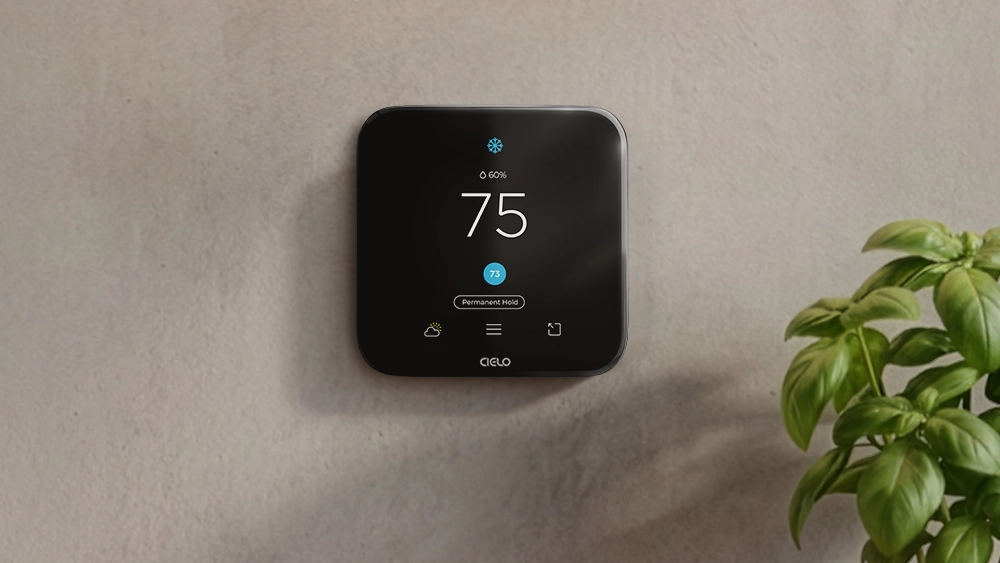
Key Takeaways
- High humidity forces your AC to work harder, putting extra strain on the system.
- Extra runtime results in high energy consumption.
- Managing indoor humidity can help reduce the AC load.
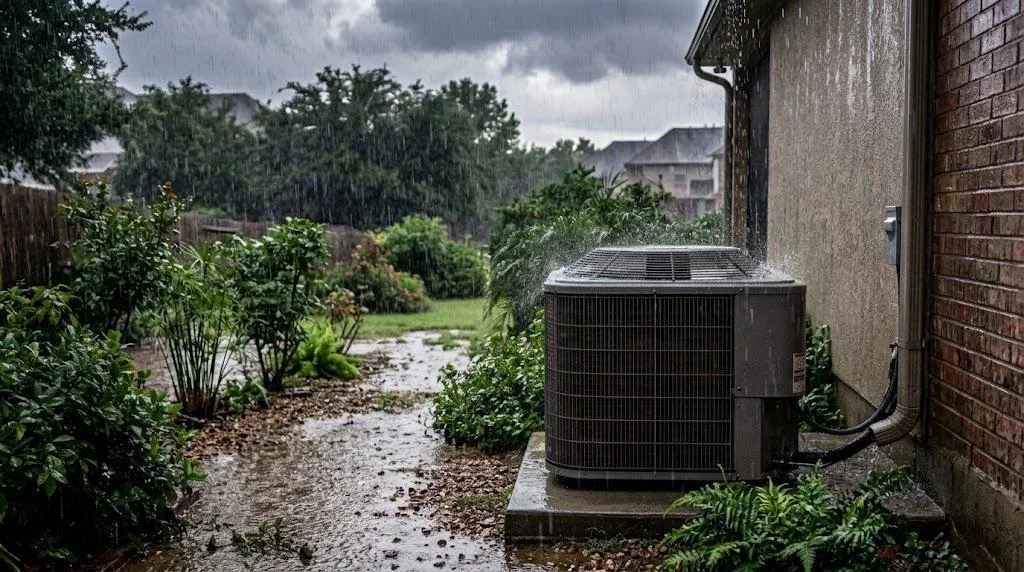
High humidity can make your home feel warmer than the temperature on your thermostat suggests, but its impact goes beyond comfort. Your air conditioner has to remove moisture from the air while also cooling your home, which can increase its workload and runtime. Over time, this added demand can affect energy consumption, component wear, and overall system performance.
This blog explores how high humidity affects AC performance, energy use, and system wear, along with practical ways to reduce the strain on your system.
Meet the Experts
- Ernie Bogue is the co-owner of West Sound Comfort Systems
- Matt Stone is an HVAC Professional and President at Stone Heating and Air
- John Baethke is an HVAC expert and CEO at Baethke Plumbing
How Does an Air Conditioner Remove Moisture?
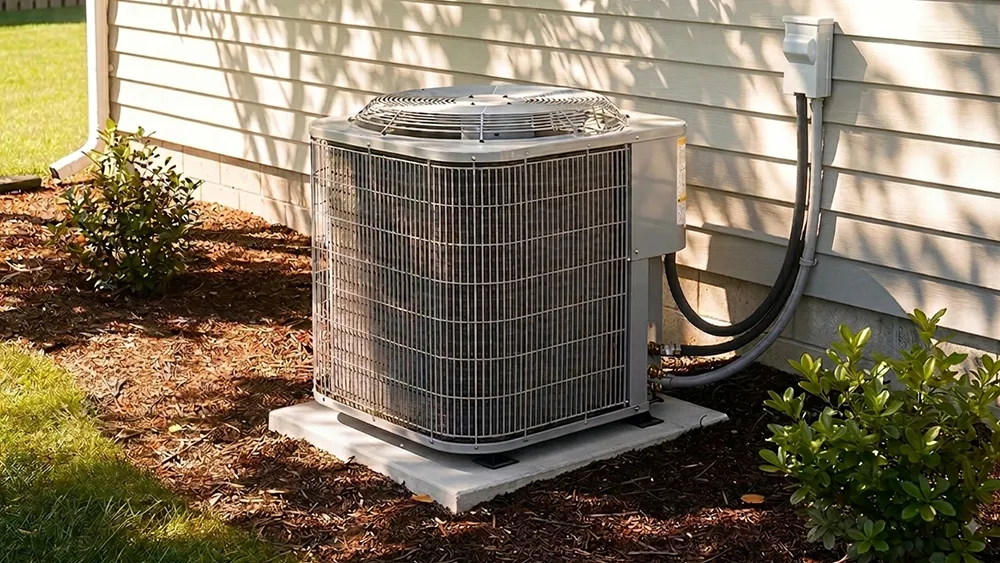
Your air conditioner removes moisture as part of the cooling process. Warm indoor air passes over the cold evaporator coil, causing moisture in the air to condense on the coil. The collected water then leaves the system through the condensate drain.
The higher the humidity, the more energy your AC uses to remove moisture, resulting in longer cycles to maintain your set temperature.
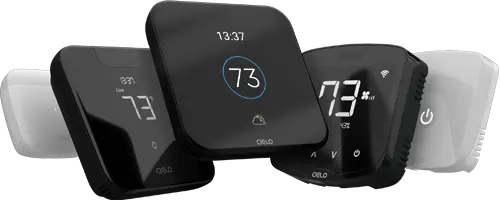
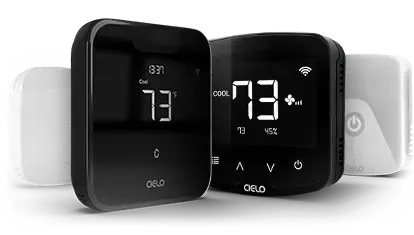
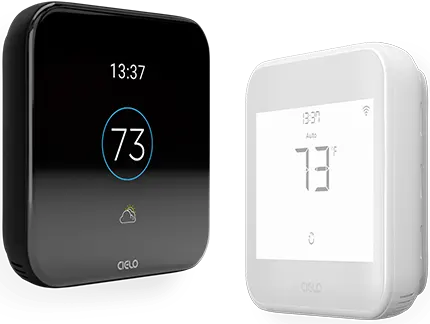
Budget-friendly smart thermostat for central HVAC systems. A thermostat that guarantees savings.
Award-winning smart thermostat for mini-splits. Technology that goes above & beyond.
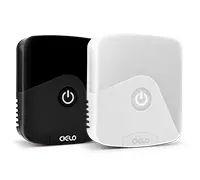
Sleekest smart thermostat for mini-split, window & portable ACs. A design that magically blends.
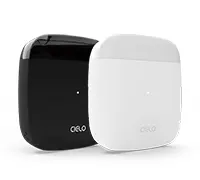
Smart mini-split thermostat that is engineered for affordable comfort. Small in size, big in benefits.
How Does Humidity Affect Your Air Conditioner?
High humidity can affect your AC in several ways, from increasing its workload to accelerating wear and tear.
1. Increased Workload
When humidity is high, your AC uses more energy to remove moisture from the air. This can result in longer cycles as the system works harder to reach your set temperature.
HVAC pro Ernie Bogue explains, “When indoor humidity climbs, the AC has to work double duty; removing that moisture is a separate load on top of temperature control.”
2. Higher Energy Consumption
Longer cooling cycles mean your AC operates for more time, which can increase energy consumption during periods of consistently high humidity.
“High humidity increases the system’s latent heat load, requiring longer cooling cycles that place continuous strain on the compressor and drive up energy bills,” says John Baethke, owner and HVAC expert at Baethke Plumbing.
3. Accelerated Component Wear
The additional workload created by high humidity doesn’t stop at energy consumption. Extended operation can also put strain on internal components.
“High indoor humidity forces system components to endure extended operational strain, which drastically impacts overall performance and accelerates wear on internal parts. Without proper balance, this extra workload frequently leads to unexpected outages and costly emergency repair bills,” says Matt Stone, owner of Stone Heating and Air.
4. Condensate Drain Clogging
High humidity increases the amount of water moving through the AC condensate drain system.
“The high volume of water pulled from the air also overburdens the condensate drain system, significantly increasing the risk of frozen evaporator coils and clogged drain lines,” says Baethke.
5. Shorter AC Lifespan
Repeated exposure to high humidity and the additional workload it creates can accelerate mechanical wear over time.
“I frequently see how unmanaged indoor moisture accelerates mechanical wear and leads to unexpected system shutdowns. Routine maintenance and maintaining proper indoor moisture controls are essential to keeping cooling equipment running efficiently throughout humid seasons,” says Baethke.
Maintaining appropriate indoor moisture levels can help reduce the strain associated with prolonged humid conditions.
What Humidity Level Causes an HVAC System to Work Overtime?
Keeping indoor humidity between 30% and 50% can help maintain a comfortable environment without placing unnecessary load on your AC.
As humidity rises above 55%, the system may begin experiencing noticeably greater strain. At 60% and above, the AC may run almost continuously as it works to manage both temperature and moisture.
How to Lower Your Home Humidity Levels
If high humidity is making your AC work harder, here are some ways to help manage the additional moisture load.
-
Maintain Your HVAC System
Regular maintenance can help your system operate efficiently during humid weather. Keep up with routine tasks such as changing the air filter, cleaning the coils, and keeping the condensate lines clear.
A properly maintained system is better positioned to handle the demands of cooling and dehumidification.
-
Add a Dehumidifier
Adding a dehumidifier can reduce the moisture burden on your air conditioner while improving humidity control inside your home.
“A dehumidifier paired with your existing system can also take that moisture load off entirely, letting your AC focus on cooling your home,” says HVAC pro Ernie Bogus.
-
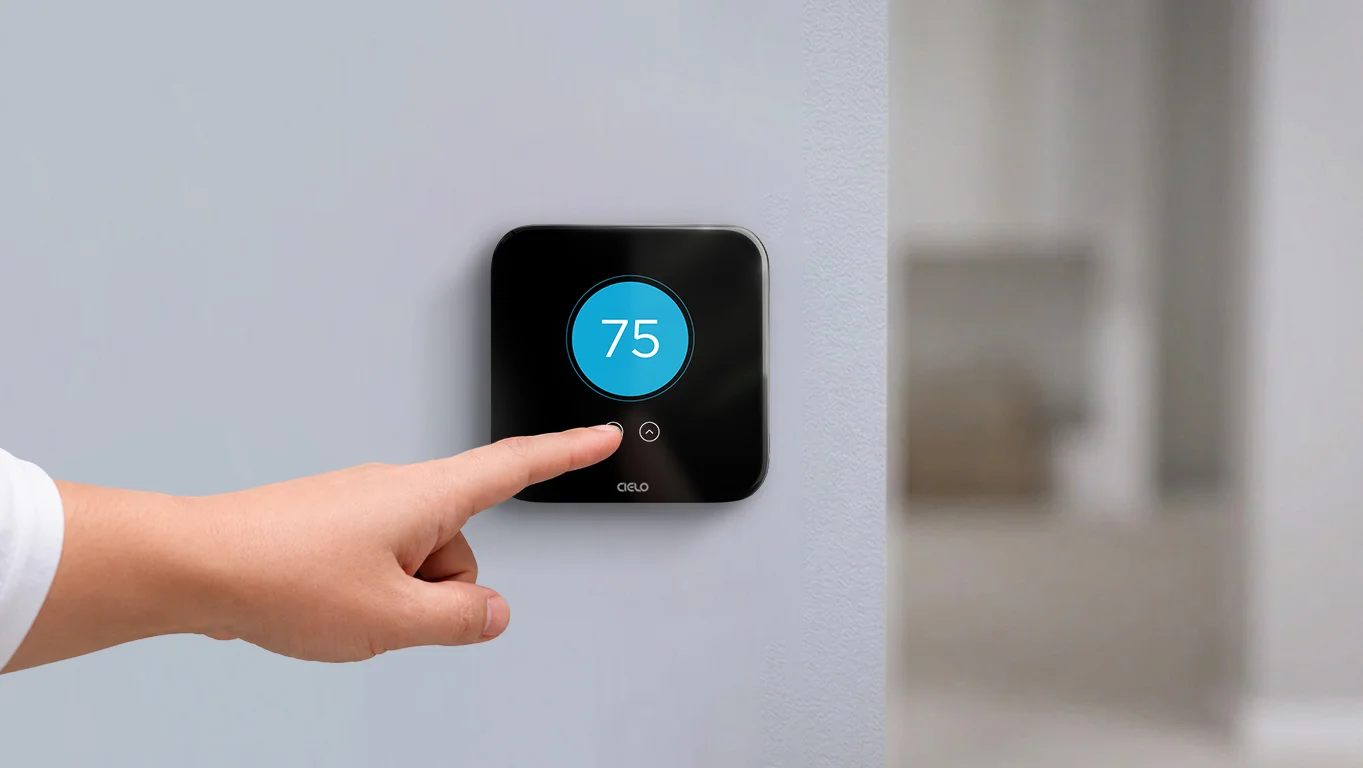
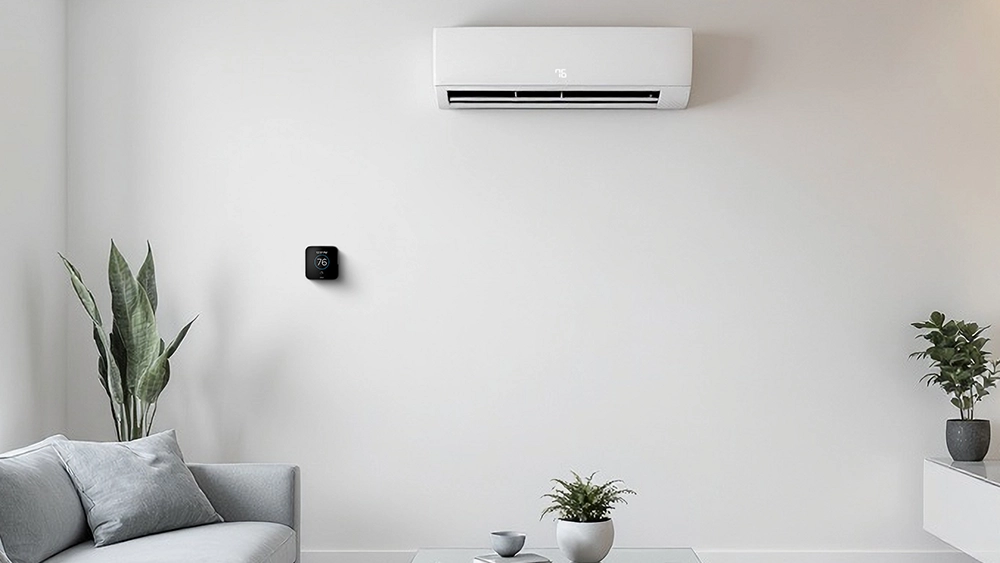
Use Smart Climate Controls
-
Seal the Gaps
Seal gaps around windows and doors to prevent humid outdoor air from entering your home. Check for visible gaps around frames and use appropriate weatherstripping or caulk to seal them.
Reducing outdoor air infiltration can help limit how much moisture enters your home.
-
Use Exhaust Fans
Use exhaust fans in the kitchen while cooking and in bathrooms while showering. They help remove moisture generated by cooking, boiling water, and showers before it spreads throughout your home.
Run the fans during these activities and for some time afterward to help remove the excess moisture.
Final Thoughts
Humidity can significantly affect AC performance. When moisture levels are high, your system has to work harder to cool and dehumidify the air, which can lead to longer cooling cycles, increased energy consumption, and additional strain on components.
Managing indoor humidity, keeping up with routine maintenance, and using additional dehumidification when needed can help reduce the moisture load on your AC.