Cielo
Cielo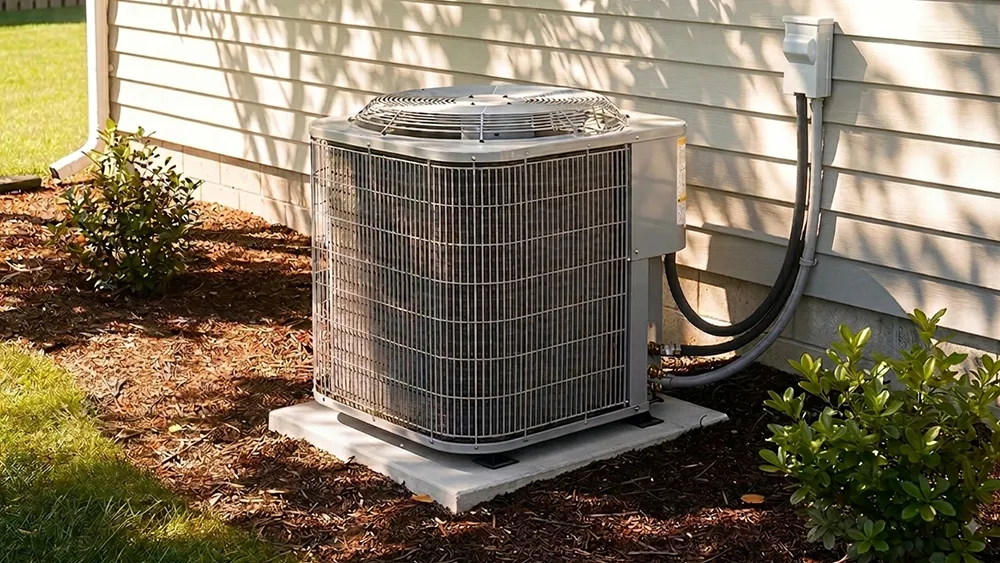
Key Takeaways
- Inspect your HVAC system after a heat wave to catch potential issues early and avoid costly repairs.
- Clean or replace the air filter and clear debris from the outdoor unit to improve efficiency.
- Don’t ignore warning signs like weak airflow or strange AC noises, as they often signal underlying problems.
When the heat wave ends, most homeowners assume the worst is over. However, for your HVAC system, the stress doesn’t end when the outdoor temperature drops. Days of nonstop operation can leave behind hidden wear that impacts performance, efficiency, and long-term reliability.
To learn what homeowners should look for after a heat wave, we gathered insights from experienced HVAC professionals. They share the warning signs to watch for, common post-heat wave mistakes, and the maintenance steps that can help keep your system running efficiently.
Meet the HVAC Experts
- Dustin Caison is an HVAC expert at Southern Air.
- Jonathan Hanna is an HVAC expert at Texas Central Air.
- Scott Brenan is the founder of HVAC company Alternative Aire Inc.
HVAC Maintenance Tasks to Perform After a Heat Wave
1. Clean or Replace the Air Filter
The air filter should be the first thing you check after your AC has been running continuously during a heat wave.
HVAC professional Scott Brenan says, “Check the basics first. Start with the air filter. After days of non-stop running, it’s likely clogged.”
A dirty air filter restricts airflow, forcing your HVAC system to work harder than necessary. This increases energy consumption and places additional strain on critical components, including the blower motor and compressor.
If the filter appears dirty, replace it or clean it if it’s reusable. This simple maintenance step can improve airflow, restore efficiency, and help extend the life of your HVAC system.
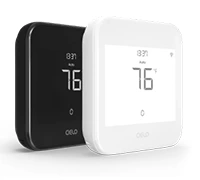
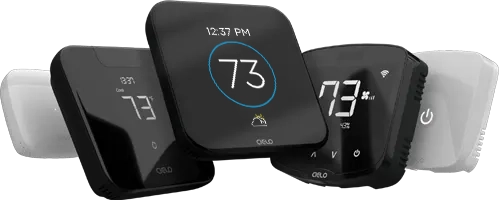
Budget-friendly smart thermostat for central HVAC systems. A thermostat that guarantees savings.
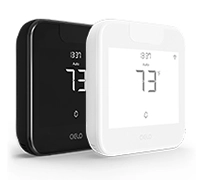
Award-winning smart thermostat for mini-splits. Technology that goes above & beyond.
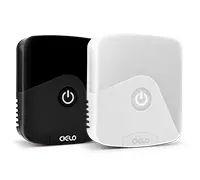
Sleekest smart thermostat for mini-split, window & portable ACs. A design that magically blends.
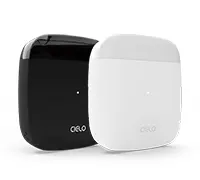
Smart mini-split thermostat that is engineered for affordable comfort. Small in size, big in benefits.
2. Clean the Evaporator Coil and Condensate Drain
After days of continuous operation, your evaporator coil and condensate drain deserve extra attention, especially if the heat wave was accompanied by high humidity.
Excess moisture can lead to mold growth, clogged drains, reduced cooling performance, and even unexpected system shutdowns if left unchecked.
“Humidity causes the hidden damage that most people miss. When a system runs hard for days straight in humid conditions, the evaporator coil and condensate drain take a serious beating,” says the HVAC expert, Dustin Caison
You can clean the AC coils yourself using our step-by-step coil cleaning guide, or schedule professional HVAC maintenance. Keep in mind that HVAC technicians are often in high demand after a heat wave, so you may experience longer wait times for service.
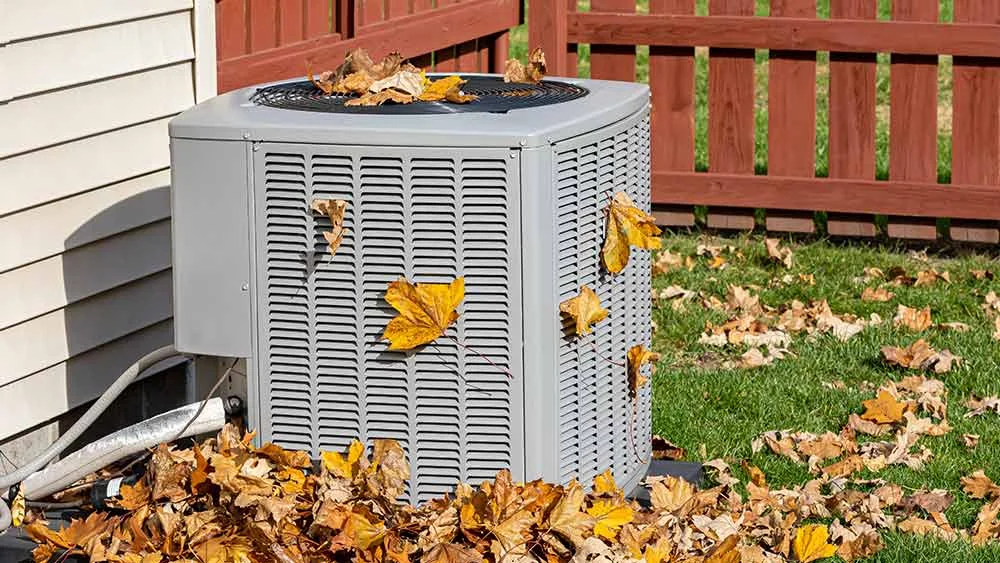
3. Clean the Outdoor Unit and Condenser Coils
Your outdoor condenser works overtime during extreme heat, making it more likely to collect dirt, dust, grass clippings, and other debris that restrict airflow.
“The condenser coil outside gets packed with dust and debris after heavy use. Rinse it down with a garden hose,” says the HVAC pro, Jonathan Hanna.
Here’s a detailed guide on how to clean the outdoor AC unit.
Common Mistakes to Avoid After a Period of Extreme Heat
A brutal stretch of triple-digit days puts real strain on your HVAC system. Once the heat finally breaks, it’s easy to forget about your system entirely. But even after outdoor temperatures return to normal, your system may still be recovering from the extra workload.
Here’s what HVAC pros say homeowners should avoid:
-
Cranking the Thermostat Too Low
Trying to cool your home quickly can backfire. “Cranking down the thermostat stresses the compressor,” explains Caison.
Hanna adds, “Cranking the thermostat to 65°F doesn’t cool the house faster; it makes the system run nonstop and freeze the coils.”
Instead, set your thermostat to your desired temperature and allow your system to cool your home gradually.
Equip your HVAC system with smart features and achieve the perfect balance between comfort & savings.
Learn more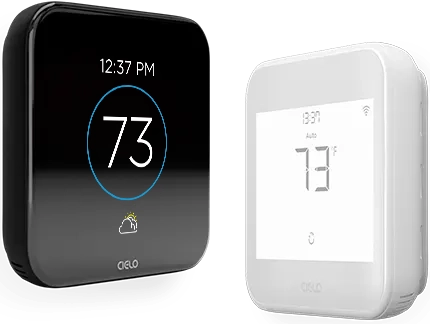
-
Blocking Airflow
Good airflow is essential for efficient HVAC performance. Blocking supply or return vents with furniture, rugs, or other objects forces your blower motor to work harder, reducing efficiency and increasing wear on the system.
“Never block floor vents. It creates a pressure imbalance the blower has to fight against,” says Hanna.
Keep all vents open and unobstructed to ensure proper air circulation throughout your home.
-
Ignoring Warning Signs
Pay attention if your HVAC system starts making weird noises, struggles to cool your home, cycles more frequently, or shows signs of water leakage.
Brenan advises watching for unusual noises from your HVAC system. “Don’t ignore new sounds; rattling, clicking, or grinding aren’t normal. Don’t assume “it’s still cooling” means everything is fine; efficiency drops quietly before failures show up,” he says.
-
Not Paying Attention to Your Energy Bills
If your energy costs remain unusually high after the heat wave has passed, your system may be working harder than it should.
“If your energy bills haven’t come back down, that’s your system telling you something changed,” says Caison.
Persistent increases in energy consumption can indicate dirty coils, restricted airflow, low refrigerant, a weakening capacitor, or other issues that reduce efficiency. Comparing your current bill with previous months can help you spot unusual spikes and determine whether it’s time to schedule a professional inspection. Early intervention can restore efficiency and prevent more serious problems down the road.
-
Opening Windows to Let Outside Air In
Once the heat wave subsides, opening the windows may seem like a good way to freshen up your home. However, if it’s still warm or humid outside, doing so can make your air conditioner work even harder by allowing hot, moisture-laden air indoors.
“Close curtains, windows, and doors to allow your system not to be overworked on overly hot days,” says Hanna.
He also advises avoiding heat-generating appliances, such as ovens and dryers, during the hottest parts of the day, as they add to your home’s cooling load.
Warning Signs Your HVAC System Was Damaged During a Heat Wave
Even if your air conditioner is still running, prolonged operation during extreme heat can leave behind hidden issues. Keep an eye out for these warning signs after a heat wave:
- Warm air coming from the vents
- Weak or uneven airflow
- The system runs continuously but doesn’t reach your desired temperature
- Musty smell
- Water pooling around the indoor unit
- Strange AC noises, such as buzzing, rattling, or grinding
- Ice forming on the evaporator coil or refrigerant lines
Final Thoughts
A heat wave may be over, but your HVAC system could still be feeling the effects. Taking a few minutes to inspect it now can help prevent costly repairs later. From replacing filters and cleaning coils to watching warning signs and avoiding common mistakes, small steps can protect your system, improve comfort, and prevent costly breakdowns. As HVAC professionals emphasize, the period right after a heat wave is your best opportunity to catch problems early, before they turn into major repairs.