Cielo
Cielo
Key Takeaways
- Central AC is designed for whole-home cooling, while window AC provides targeted cooling for individual rooms.
- Central units cost more upfront, but they offer more consistent cooling and humidity control.
- Window AC is more affordable and easier to install, making it practical for smaller spaces.
When it comes to cooling your home, two common options are central air conditioning and window AC units. Both can keep your space cool, but they differ significantly in installation method, cost, energy use, comfort, and cooling capacity.
Central AC cools an entire home through a network of ducts, while window AC units provide targeted cooling for individual rooms.
Understanding how each system works can help you choose the option that best fits your home and cooling needs.
Central Air Conditioner
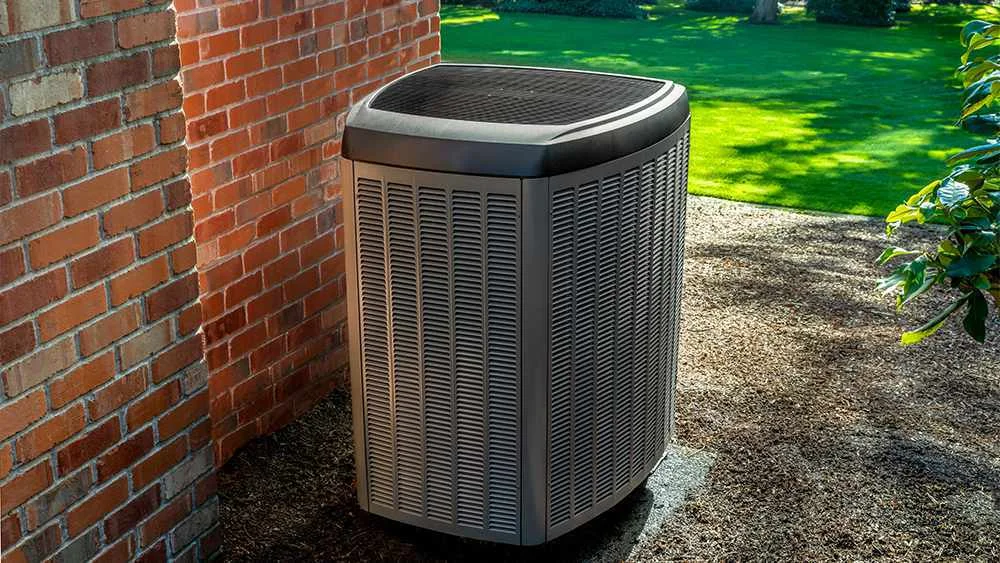
Central air conditioning is one of the most common conventional systems for whole-home cooling. It consists of two main components: an outdoor condenser unit and an indoor evaporator.
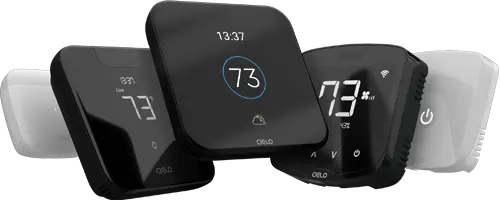
Budget-friendly smart thermostat for central HVAC systems. A thermostat that guarantees savings.
Award-winning smart thermostat for mini-splits. Technology that goes above & beyond.
Sleekest smart thermostat for mini-split, window & portable ACs. A design that magically blends.
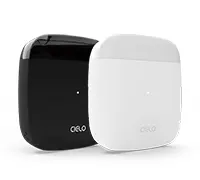
Smart mini-split thermostat that is engineered for affordable comfort. Small in size, big in benefits.
The system pulls warm air from inside your home and passes it over the evaporator coil, where the refrigerant absorbs heat from the air. It then distributes the cooled air throughout the home through ductwork and vents.
Central AC systems are controlled by a thermostat, allowing you to set and maintain your home temperature from a single control point.
|
Pros |
Cons |
|
Efficient for whole-home cooling |
Higher upfront and installation costs |
|
Greater air filtration and humidity control |
Requires professional maintenance |
|
Longer lifespan; lasts 15-20 years |
Repairs can be expensive |
Window Air Conditioner
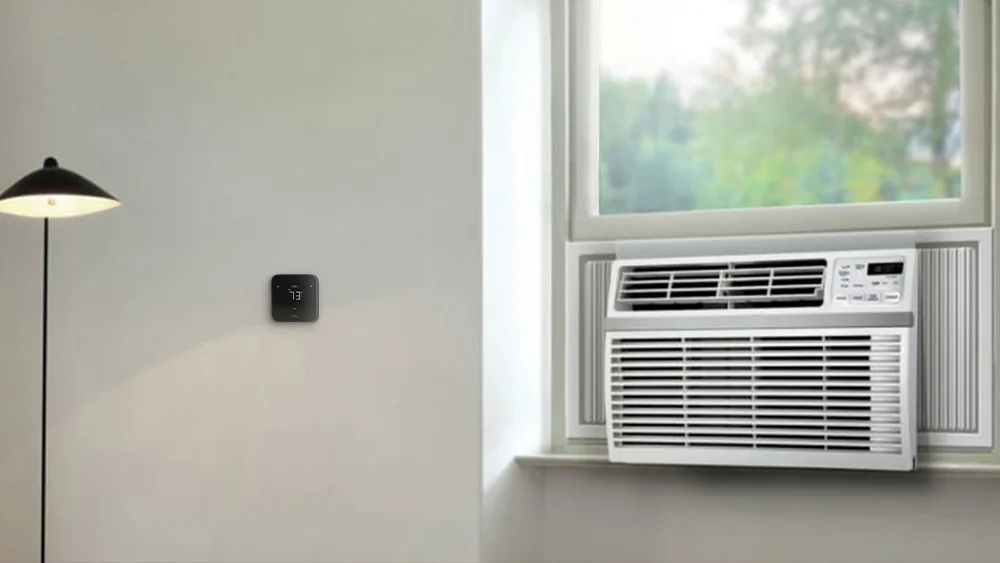
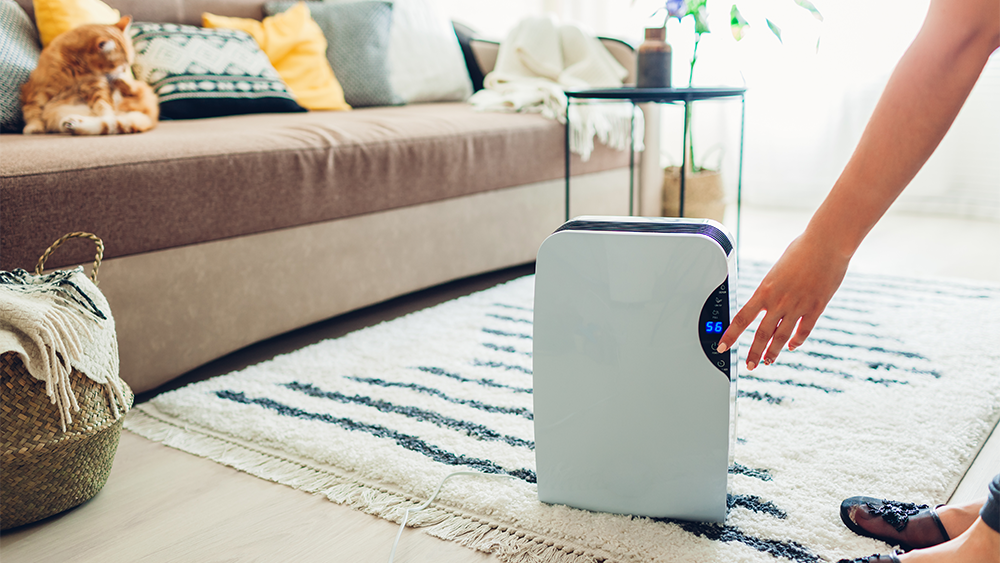
Window air conditioners are simpler, more compact cooling systems designed to cool individual rooms. They install directly into a window and don’t require ductwork.
A window AC pulls warm air from the room, cools it, and blows the cooled air back into the room. Because they are self-contained units, window ACs are generally easier to install than central systems. They can be a practical option when you only need to cool one or two rooms rather than the entire home.
|
Pros |
Cons |
|
Low upfront cost |
Blocks natural light and window access |
|
Easy installation process |
Limited air filtration |
|
Effective for single room cooling |
Loud operation |
Window AC vs. Central Air Conditioning
The right system depends on factors such as your home size, existing infrastructure, cooling needs, and budget. Here’s how central and window AC systems compare in key areas.
Cost Breakdown
Central AC generally costs more upfront because the total investment can include the equipment, professional labor, and potential ductwork installation. The unit is priced around $4000–$8000, while the total cost can reach $11,000–$15,000 when other factors are included.
Window AC units are significantly less expensive, typically costing around $150–$550 per unit.
A single window AC generally costs less to operate than a central AC system; however, using several units throughout your home changes the equation. Running multiple window units can increase total energy consumption.
Energy Efficiency
Central AC cools the entire home through a duct system. While this makes it effective for whole-home cooling, it can waste energy by cooling empty rooms. Leaky ductwork can also affect efficiency. It lets conditioned air escape before it reaches your living spaces, increasing the energy needed to cool your home.
Window AC units, on the other hand, provide targeted cooling. Instead of cooling the entire home, they cool only the room where they’re installed. This can make them a practical choice when you only need cooling in one or two spaces.
Cooling Performance
Central air conditioning is designed to cool your entire house, helping maintain a more consistent temperature across multiple rooms. They can also provide more comprehensive humidity control. By removing excess moisture from indoor air, they can make your home feel more comfortable, even when the temperature is slightly higher.
Window AC units, on the other hand, provide more localized cooling. They work well when you want to cool a specific room rather than the entire home. While window AC units can remove some moisture as part of the cooling process, they generally do not provide the same whole-home humidity management as a central system.
Temperature Control
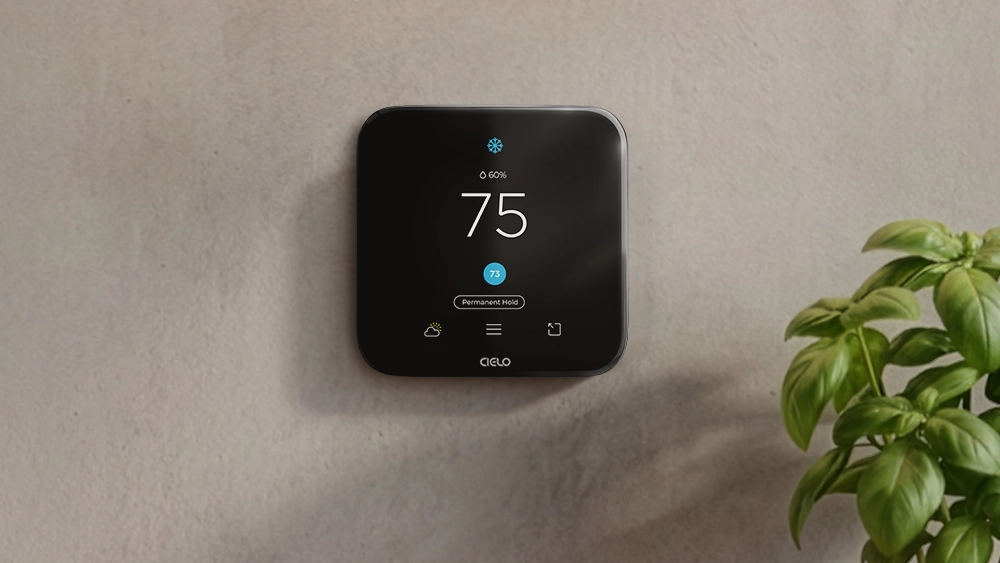
Central AC provides temperature control through a single thermostat, installed in a central location such as the living room. You can choose a programmable or smart thermostat to manage your home climate. A smart thermostat offers features that improve comfort and energy efficiency. You can set schedules based on your routine, adjust temperature remotely using your phone, and automatically manage cooling based on your preferences.
Equip your HVAC system with smart features and achieve the perfect balance between comfort & savings.
Learn more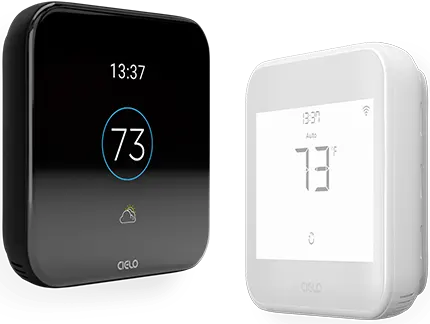
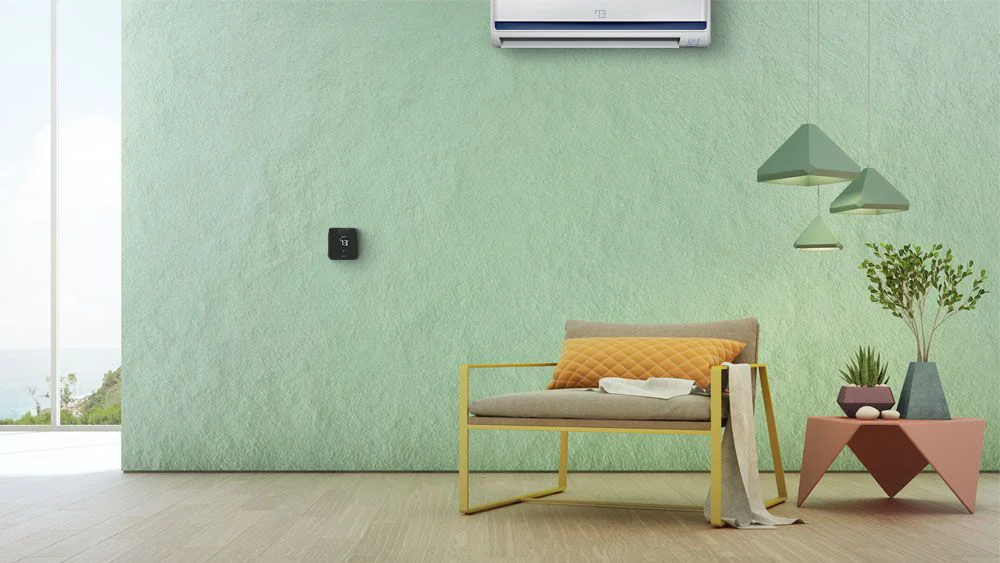
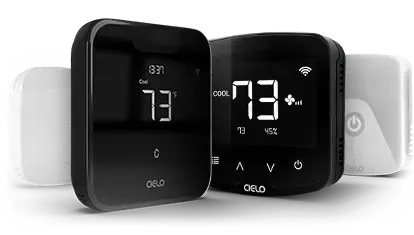
Window AC units provide temperature control for the individual room where they are installed. Depending on the model, you can control them with on-unit controls or a remote control. You can also add smart control to compatible window AC units using a window AC thermostat, also known as a smart AC controller, such as Cielo Breez. They let you adjust the temperature settings and manage the unit from your phone.
Your best choice to make any mini-split, window,
or portable AC smart. Enhance your comfort and savings.
Installation and Space Requirements
Installing a central air conditioning system is not a DIY project. It is a major home upgrade that typically requires:
- Professional installation by a licensed HVAC contractor.
- Ductwork inspection or installation if your home does not already have ducts.
If your home already has functional ductwork, installation can be faster and less expensive. However, if you are starting from scratch or the existing ducts need significant repairs, both costs and installation time can increase.
Window AC units are generally more DIY-friendly. In many cases, installation involves:
- Placing the unit in a suitable window.
- Securing it with the included brackets or insulation panels.
- Plugging it into an appropriate electrical outlet.
Durability
With regular maintenance and proper care, a central AC system can last up to 20 years. Window AC units generally have a shorter service life than central AC systems and typically last around 5–7 years.
Maintenance Needs
Central AC systems require regular maintenance to operate efficiently and help prevent performance issues. Common maintenance tasks include:
- Replacing the air filter regularly, typically every 3 months depending on the filter and household conditions.
- Inspecting and maintaining ductwork to identify leaks, damage, or airflow problems.
- Keeping the outdoor unit clean and free of leaves, dirt, and other debris.
- Scheduling professional maintenance at least once a year to inspect the system and identify potential issues.
Window AC units have fewer components and generally require simpler maintenance, but regular care is still important for reliable cooling. Common tasks include:
- Cleaning the air filter regularly, typically every 2-4 weeks depending on usage and indoor conditions.
- Cleaning the coils to remove dirt and buildup.
- Clean your window unit at the end of the cooling season, especially if you’ll store it for an extended period.
- Checking the drain hole to ensure condensation can exit properly and doesn’t accumulate inside the unit.
Noise Levels
If keeping indoor noise to a minimum is a priority, central air conditioning is generally quieter during operation. That is largely because the compressor, one of the system’s main sources of noise, is located outside the home in the outdoor condenser unit.
Window AC units can be more noticeable because the compressor and fan motor are located in or directly adjacent to the room being cooled.
The Takeaway
Central AC and window AC serve different cooling needs. Central AC is designed to cool an entire home and can provide more consistent cooling across multiple rooms, while window AC is better suited to cooling individual spaces.
Central AC typically requires a larger upfront investment and professional installation, particularly if ductwork needs to be installed. Window AC units are generally simpler to install and can be a practical option when cooling a single room or a smaller space.
When deciding between the two, consider your cooling needs, temperature-control preferences, noise tolerance, and long-term maintenance requirements.
Frequently Asked Questions
Yes. You can use both central AC and window AC in the same home. This can be useful in areas such as an attic, home office, or other rooms that need extra cooling. For example, a window AC can provide supplemental cooling in a room that stays warmer than the rest of the house. Choose a window AC based on room size and the unit’s cooling capacity, measured in BTUs. A unit that is too small may struggle to cool the space, while an oversized unit may cycle on and off more frequently and may not remove humidity as effectively.
Can You Use Both Central AC and Window AC?
How Do I Select the Right-Sized Window Air Conditioner for My Room?