Cielo
Cielo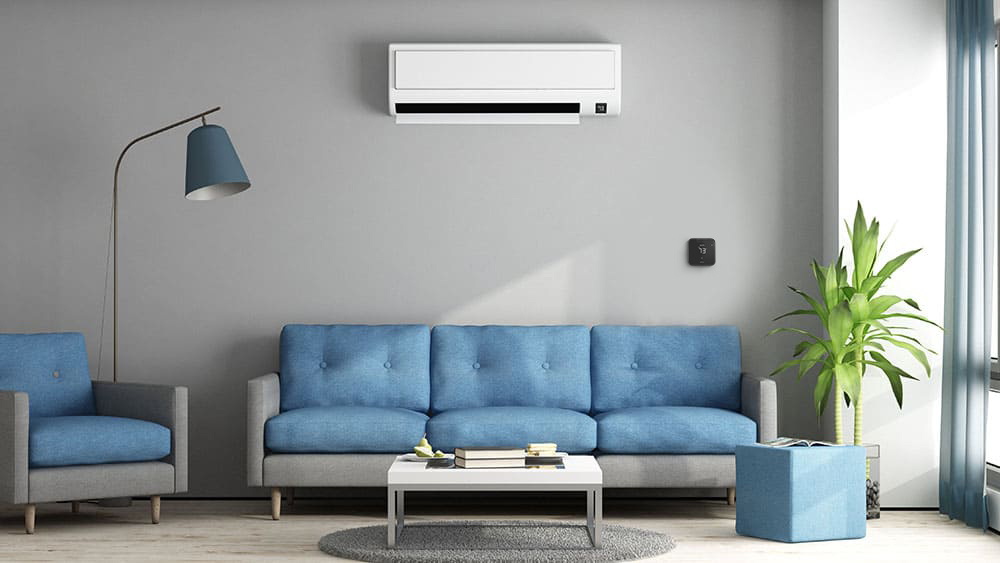
Key Takeaways
- Inverter ACs are energy-efficient because they adjust the compressor speed based on cooling demand.
- Non-inverter ACs cost less upfront but consume more electricity over time.
- Choose an inverter AC for consistent comfort and savings; choose a non-inverter AC for a lower initial cost.
With rising energy costs and a growing focus on efficiency, many homeowners find themselves deciding between inverter and non-inverter AC systems. While both are designed to keep your home comfortable, they differ significantly in how they operate, how much energy they consume, and the level of comfort they provide.
So, is an inverter AC really worth the extra investment, or is a non-inverter model enough for your needs?
In this guide, we’ll break down the key differences between inverter and non-inverter air conditioners, compare their energy savings and performance, and help you determine which option is the better choice for your home and budget.
Inverter Air Conditioner
An inverter air conditioner is designed to regulate its compressor speed based on the cooling requirement. Instead of operating at a fixed speed, it continuously adjusts its power output to maintain the desired temperature.
This means that once the indoor temperature reaches the preferred setpoint, the compressor does not shut off completely. Instead, it slows down and maintains a steady cooling level. This intelligent operation not only improves comfort but also significantly reduces energy consumption, making inverter ACs a popular choice for modern homes.
Budget-friendly smart thermostat for central HVAC systems. A thermostat that guarantees savings.
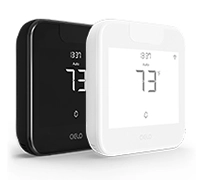
Award-winning smart thermostat for mini-splits. Technology that goes above & beyond.
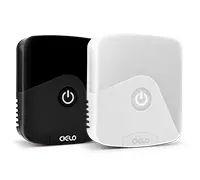
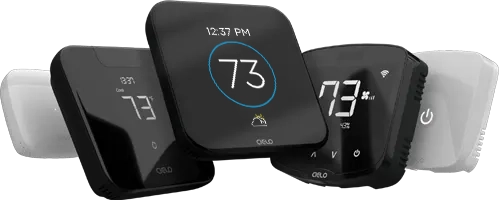
Sleekest smart thermostat for mini-split, window & portable ACs. A design that magically blends.
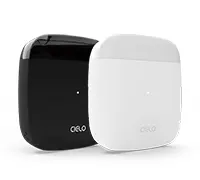
Smart mini-split thermostat that is engineered for affordable comfort. Small in size, big in benefits.
Non-Inverter Air Conditioner
A non-inverter air conditioner operates using a traditional compressor system that runs at full capacity and shuts off completely. When the indoor temperature rises above the set point, the compressor turns on and works at maximum power. Once the desired temperature is achieved, it turns off. This on-and-off cycle continues throughout operation. While this system is simple and generally more affordable upfront, it results in higher energy use and less consistent temperature control. Moreover, they tend to break down more frequently because the continuous cycle strains the compressor.
Factors to Consider When Buying an Inverter vs. Non-Inverter Air Conditioner
Now that you have understood the basic difference between an inverter and a non-inverter air conditioner, let’s break down the difference on some of the other key factors
|
|
Invertor AC |
Non-Inverter AC |
|
Energy Efficient |
✅ |
❌ |
|
Consistent Temperature |
✅ |
Overshoots the temperature |
|
Compressor Speed |
Variable |
Fixed |
|
Lifespan |
Longer lifespan |
Short due to high strain on HVAC equipment |
|
Cost effectiveness |
High |
Low |
|
Noise level |
Low |
High |
|
Maintenance Requirements |
Low |
High |
Energy Efficiency
Inverter systems are significantly more energy-efficient because they adjust their compressor speed based on cooling demand. This prevents unnecessary energy consumption and can help you save on electricity bills.
In contrast, non-inverter ACs consume more power because the compressor restarts at full capacity each time it turns on, resulting in higher energy use over time.
Temperature Control
One of the biggest advantages of inverter ACs is their ability to maintain a consistent temperature. Since the compressor runs continuously at variable speeds, there are minimal temperature fluctuations.
On the other hand, non-inverter ACs tend to overshoot the desired temperature. The home may feel too cold when the AC is running and too warm when the compressor turns off, creating an inconsistent cooling experience.
Upfront Cost
Inverter air conditioners generally come with a higher initial price due to their advanced technology. However, this cost is often offset by long-term savings on electricity bills. For users who run their AC frequently, the investment pays off over time. Non-inverter ACs are more affordable initially, but their higher operating costs can make them more expensive in the long run.
Lifespan & Durability
Inverter ACs run continuously at variable speeds, avoiding the repeated on-and-off cycling that stresses internal components. The result is less mechanical wear over time and a longer-lasting unit.
Non-inverter ACs work differently — constantly switching on and off to maintain temperature. That repeated cycling places ongoing strain on the compressor and other components, leading to faster deterioration and more frequent repairs.
Noise Level
Inverter ACs are generally quieter because the compressor operates smoothly at varying speeds rather than abruptly turning on and off. This makes them ideal for bedrooms, offices, and environments where noise levels matter.
Non-inverter ACs tend to produce more noise, especially during startup, which can be disruptive.
Final Verdict: Inverter or Non-Inverter Air Conditioner
Choosing between an inverter and a non-inverter AC depends largely on your usage patterns and budget. If you use your air conditioner for long hours each day and want to reduce your electricity bills while maintaining consistent comfort, an inverter AC is the better choice. It offers superior performance, energy savings, and long-term reliability. While the initial cost may be higher, the long-term benefits make it a worthwhile investment for most households.
However, if your usage is limited to short periods and you are looking for a more budget-friendly option, a non-inverter AC will be sufficient. Non-inverter ACs may still meet basic needs, but they fall short in performance and energy savings. For modern homes facing rising energy costs, an inverter AC is clearly the smarter and more future-proof choice.