Cielo
Cielo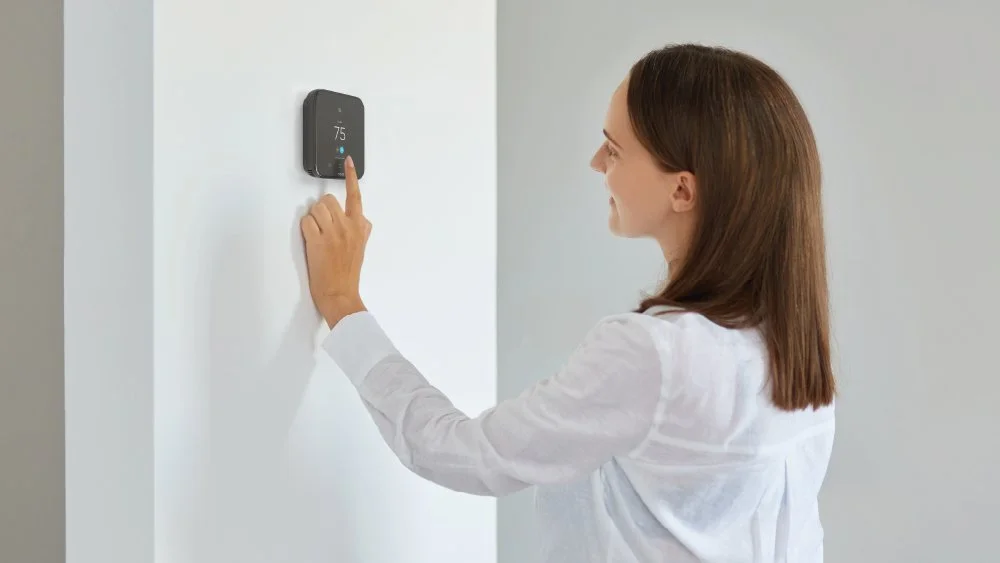
Key Takeaways
- Keeping humidity between 30–50% helps improve comfort and indoor air quality.
- Smart thermostats monitor humidity in real time and automatically adjust settings to maintain ideal humidity levels.
- Better humidity control can reduce unnecessary HVAC runtime and help lower energy costs.
Maintaining indoor comfort isn’t just about temperature; it’s about achieving the right balance between temperature and humidity.
Indoor humidity levels play an important role in how your home feels and how efficiently your HVAC system runs. When moisture levels fall outside the ideal range, your home may feel warmer or colder than it actually is, and your HVAC system works harder than needed.
This is where a smart thermostat for humidity control becomes essential. Beyond temperature management, it actively monitors indoor moisture levels and automatically makes adjustments to keep your home comfortable.
In this guide, we’ll break down why humidity control matters and how a smart thermostat can help.
Meet the HVAC Expert
- Mark Grubb is an HVAC professional and President at First Response Heating & Cooling.
Why Indoor Humidity Matters
Indoor humidity is more than just a comfort factor; it affects your health, your air quality, and even your energy bills.
- High humidity makes warm air feel hotter and stickier, while low humidity in winter can leave your skin dry and your throat scratchy. Getting humidity right means your home feels balanced year-round.
- Excess moisture in the air creates the perfect breeding ground for mold, mildew, and dust mites, which are common triggers for allergies and respiratory issues. On the flip side, air that’s too dry can irritate sinuses and make flu symptoms worse.
- Prolonged high humidity can warp wood floors, peel paint, and damage furniture. Too little humidity can cause cracks in furniture over time.
- Humid air feels warmer than it is, which often tempts people to adjust the thermostat unnecessarily. Managing humidity properly means your system doesn’t have to work as hard to keep you comfortable.
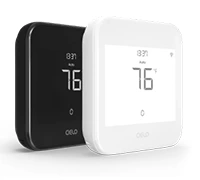
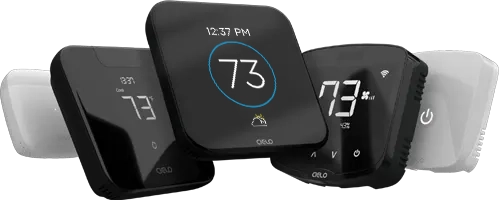
Budget-friendly smart thermostat for central HVAC systems. A thermostat that guarantees savings.
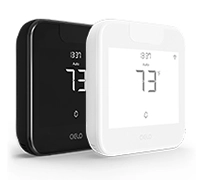
Award-winning smart thermostat for mini-splits. Technology that goes above & beyond.
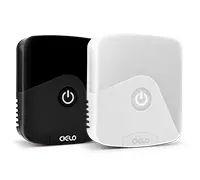
Sleekest smart thermostat for mini-split, window & portable ACs. A design that magically blends.
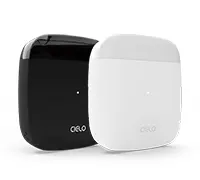
Smart mini-split thermostat that is engineered for affordable comfort. Small in size, big in benefits.
What’s the Ideal Humidity Level?
The U.S. Environmental Protection Agency (EPA) recommends maintaining indoor relative humidity between 30% and 50% for most homes. Staying within this range helps prevent excess moisture, reduces the risk of mold growth, supports better indoor air quality, and is considered the ideal humidity level for healthy sleep.
Can a Smart Thermostat Control Humidity Levels In Your Home?
A modern smart thermostat can do more than just manage temperature. They can also monitor humidity and help you maintain a comfortable level. This works through a combination of three things: a built-in humidity sensor, smart control logic that responds to humidity changes, and a connection to an HVAC accessory such as a humidifier or a dehumidifier.
Mark Grubb, President of First Response Heating & Cooling, recommends pairing your smart thermostat with a whole-home humidifier and dehumidifier to maintain ideal humidity levels in your home.
“A solid tip is to wire your smart thermostat to run a whole-home accessory attached to your existing system. This lets the thermostat handle automatic humidity regulation based on indoor readings rather than relying on portable units that only cover one room.”
Here is how a smart thermostat with humidity control actually works:
The smart thermostat constantly measures the humidity in your home, alongside the temperature. You define a target humidity range that you’d like your home to stay within. The moment it drifts too high or too low, the thermostat steps in. It might adjust how your air conditioner runs, since cooling naturally pulls some moisture out of the air, or it might directly turn on a connected humidifier or dehumidifier to bring things back into balance.
The best part of this setup is that you don’t have to stand next to the thermostat to manage it. Since smart thermostats also connect to WiFi, you can check your home’s humidity levels and make adjustments right from an app, whether you’re in another room or on the other side of town. This makes it much easier to keep your home comfortable and protect it from issues like excess moisture or overly dry air, without constantly having to think about it.
How a Smart Thermostat for Humidity Control Helps Manage Indoor Humidity
A smart thermostat with humidity control, on the other hand, can monitor and respond to humidity levels alongside temperature, giving you far more control over your indoor environment.
Here’s how it helps:
Real-Time Humidity Monitoring
A smart thermostat has built-in temperature and humidity sensors that precisely measure and display accurate indoor humidity levels, so you always know exactly what’s happening in your home, not just a rough estimate. Through a connected app, you can check humidity levels and adjust your settings from anywhere, which is especially handy when you’re away from home and want to keep indoor conditions in check.
Equip your HVAC system with smart features and achieve the perfect balance between comfort & savings.
Learn more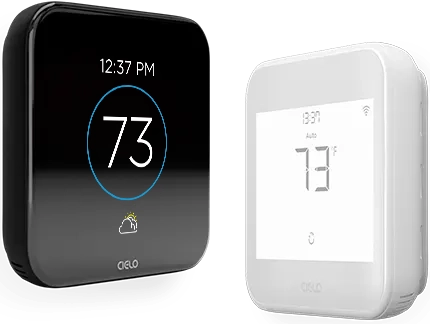
Automated Adjustments
A smart thermostat can automatically trigger a connected humidifier or dehumidifier based on the humidity range you’ve set. For example, it can switch on a humidifier when the air becomes too dry, or activate a dehumidifier when humidity rises too high.
Cielo Smart Thermostat makes this kind of humidity control effortless and precise. You can set your desired humidity level directly on the device or in the Cielo Home app, and the device automatically manages connected humidifiers or dehumidifiers to maintain optimal indoor conditions.
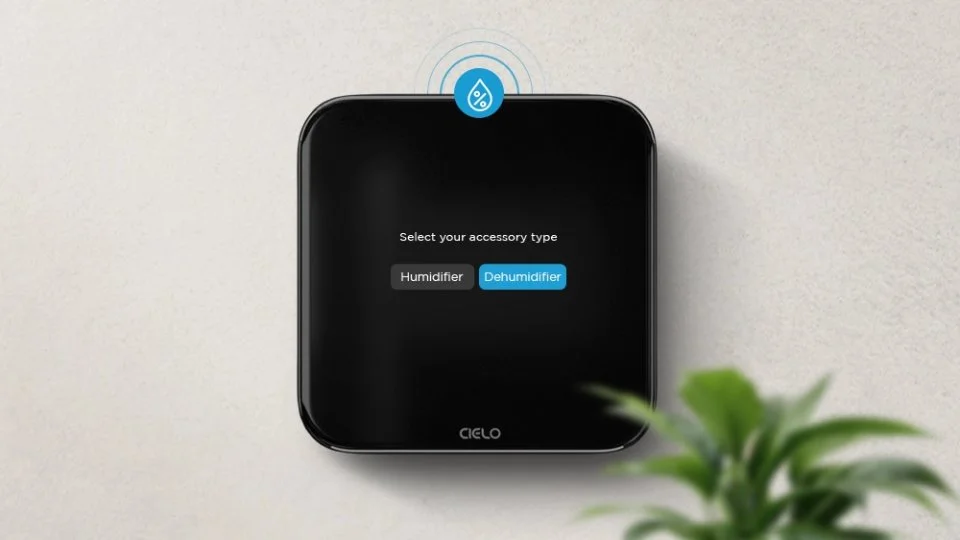
Cielo smart thermostats for mini-splits come with built-in temperature and humidity sensors and provide real-time insights through the app. They also feature Comfy Humidity, which automatically adjusts your settings whenever room humidity rises above or falls below a set value. You decide what action to take in each case, for instance, switching the mode to Dry when humidity climbs too high, or turning off the AC when it drops too low. It intelligently adjusts your AC settings to maintain that balance, without requiring manual intervention.

By managing humidity intelligently instead of over-relying on temperature changes, your HVAC system runs more efficiently, which can translate into real savings on your energy bill.
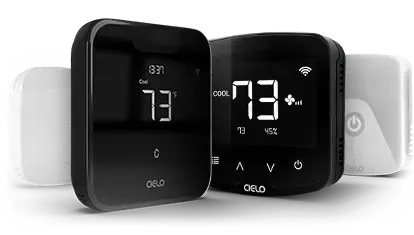
Your best choice to make any mini-split, window,
or portable AC smart. Enhance your comfort and savings.
In Conclusion
A smart thermostat is useful for humidity control when your indoor moisture levels regularly drift outside the comfortable range. This often happens during humid summers, dry winters, or transitional seasons with frequent weather changes. By monitoring and adjusting humidity alongside temperature, a smart thermostat helps maintain a more comfortable indoor environment and prevents unnecessary HVAC runtime.
Frequently Asked Questions
Can a Smart Thermostat Actually Control Humidity in My Home?
Yes. Many smart thermostats have a built-in humidity sensor that tracks moisture levels alongside temperature. When humidity drifts outside your target range, the thermostat adjusts cooling cycles or activates a connected humidifier or dehumidifier to bring it back into balance. With WiFi connectivity, you can also monitor and control humidity remotely through an app.
Which AC Mode Is Best for Reducing Humidity?
Dry mode is designed to remove excess moisture from the air. Instead of running at full power like in regular cooling mode, the AC slows the compressor and fan to focus mainly on removing humidity from the air. It's useful in humid or rainy weather when the room already feels warm and sticky but doesn't need heavy cooling.