Cielo
Cielo
Key Takeaways
- Incorrect settings, poor airflow, and dirty filters can cause mini-split cooling issues.
- Frozen coils often point to restricted airflow or other underlying issues.
- Refrigerant leaks and malfunctioning components require professional diagnosis and repair.
There’s nothing more frustrating than a mini-split that won’t do its job on a hot summer day. Whether it’s blowing warm air or taking longer to reach your desired temperature, there are several reasons why your mini-split may not be working as it should.
But the good news is that you can troubleshoot many common mini-split cooling issues yourself before calling a technician.
In this article, we’ll walk through the most common reasons your mini-split isn’t cooling properly, how to identify them, and what you can do to get it back to peak performance.
Meet the HVAC Experts
- Michelle Maes is the President at Kelly & Dawson Service.
- Billy Gregus is an HVAC specialist and owner of Integrity Refrigeration & AC.
Why Is Your Mini-Split Struggling to Cool?
If your mini-split isn’t cooling your space, here are some issues that could be affecting its performance.
-
Wrong Thermostat Settings
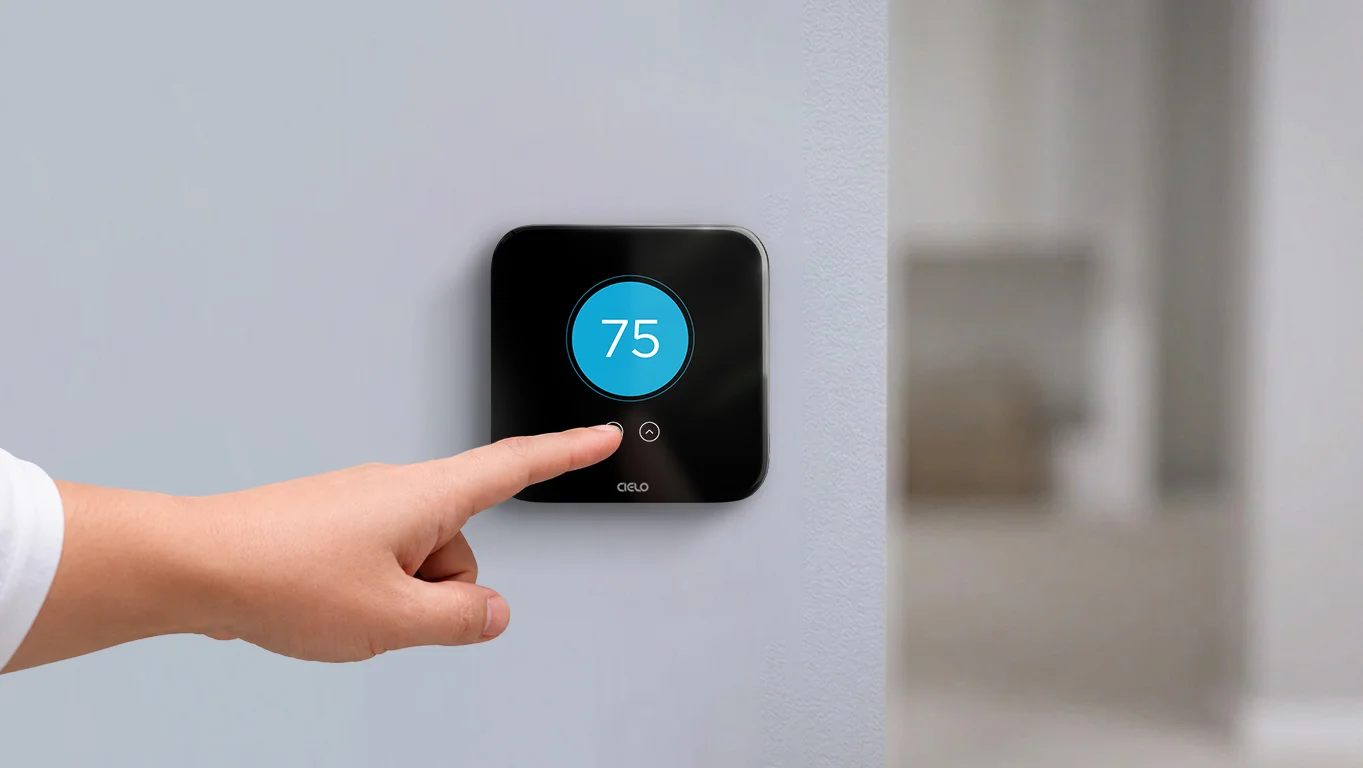
Incorrect temperature or mode settings are one of the first things to check when your mini-split isn’t cooling.
Make sure the system is set to cool mode, not fan mode. Then check the set temperature and make sure it is lower than the current room temperature. Set the temperature at least 3–5°F below the current room temperature, depending on the mode.
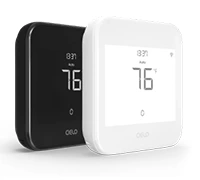
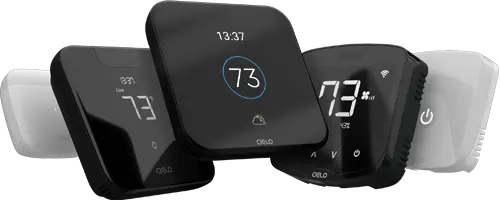
Budget-friendly smart thermostat for central HVAC systems. A thermostat that guarantees savings.
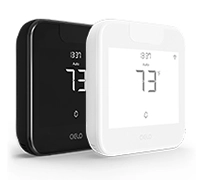
Award-winning smart thermostat for mini-splits. Technology that goes above & beyond.
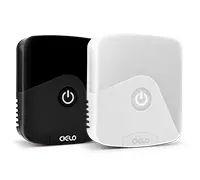
Sleekest smart thermostat for mini-split, window & portable ACs. A design that magically blends.

Smart mini-split thermostat that is engineered for affordable comfort. Small in size, big in benefits.
-
Frozen Evaporator Coils
Frozen coils are a common reason a mini-split stops cooling properly.
Here are some signs to look out for:
- Mini-split blowing warm air
- Visible ice on the evaporator coil
- Water leaking from the indoor unit
- Ice on the outdoor unit
Restricted airflow is one of the biggest culprits. When a dirty filter or coil buildup limits the amount of warm air reaching the evaporator coil, the coil can get cold enough for moisture to freeze on its surface.
“The most overlooked cause I see in the field is a frozen evaporator coil caused by restricted airflow. Nine times out of ten, it traces back to a dirty filter,” says HVAC pro Michelle Maes.
Low refrigerant levels can cause the same problem. As the refrigerant runs low, it has to expand more to change from liquid to gas, which drops the temperature inside the unit low enough to freeze any condensation on the coils.
If you notice ice buildup, turn the system off right away rather than continuing to run it. Let the ice thaw fully (this can take anywhere from a few hours to a full day) before switching the unit back on, and avoid chipping the ice, which can damage the coil.
Here’s a detailed guide on why your AC coils might be freezing up.
-
Airflow Issues
Restricted airflow can make it difficult for your mini-split to cool the room properly.
Start by checking the air filter. A dirty filter can restrict airflow and make the system work harder. Clean or replace it according to the manufacturer’s recommendations.
Dust, pollen, and moisture can also accumulate on internal components over time, affecting airflow and cooling performance.
“The most common “not cooling” issue I see is airflow getting choked inside the indoor head. Dust, pollen, and moisture turn into a sticky film on the evaporator’s coil and blower wheel, so the unit may be running but barely moving or absorbing heat,” says HVAC pro Billy Gregus.
Also check the indoor unit and make sure nothing is blocking the air outlet. If airflow remains weak after cleaning the filter and clearing obstructions, the system may need further inspection.
-
Refrigerant Leak
Refrigerant plays an important role in the cooling process. If your mini-split has a refrigerant leak, it may struggle to cool your home.
Refrigerant does not simply get used up over time. A low refrigerant level generally indicates a leak. Common causes include age-related wear, corrosion, damaged copper tubing, vibrations, physical damage, or improperly installed refrigerant lines.
A refrigerant leak can cause the system to work harder and run longer as it struggles to reach the set temperature.
Michelle Maes notes, “Refrigerant leaks are another major culprit. Because mini-splits use line sets running through walls, small punctures or loose fittings at installation can cause slow leaks that only show up months later as weak cooling.”
Common signs can include:
- Reduced cooling
- Longer cooling cycles
- Ice buildup on the indoor unit
- Hissing or bubbling sounds
- Air that isn’t as cold as expected
Note: Do not attempt to add or remove refrigerant yourself. A qualified HVAC professional should handle refrigerant leak.
-
AC Remote Malfunction
Traditional mini-split remotes can become unreliable over time. They can get misplaced, stop responding properly, or lose communication with the system. When the remote can no longer communicate with the mini-split, it may prevent the system from operating as intended.
- The mini-split may be stuck in Fan or Dry mode, and without a working remote, it can’t switch back to Cool
- The system may be set to a high temperature (e.g., 78°F), so the compressor never kicks on to cool the room further.
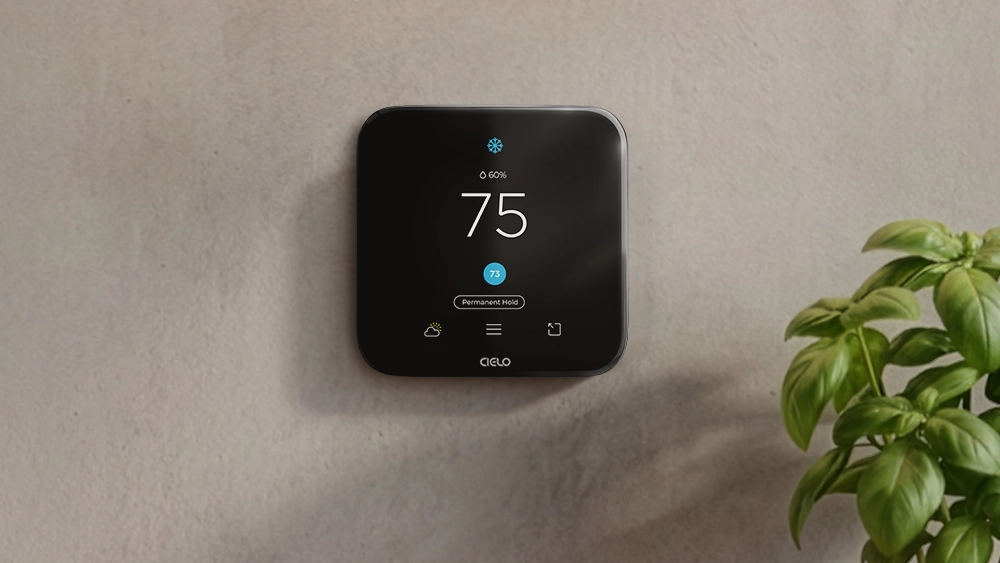
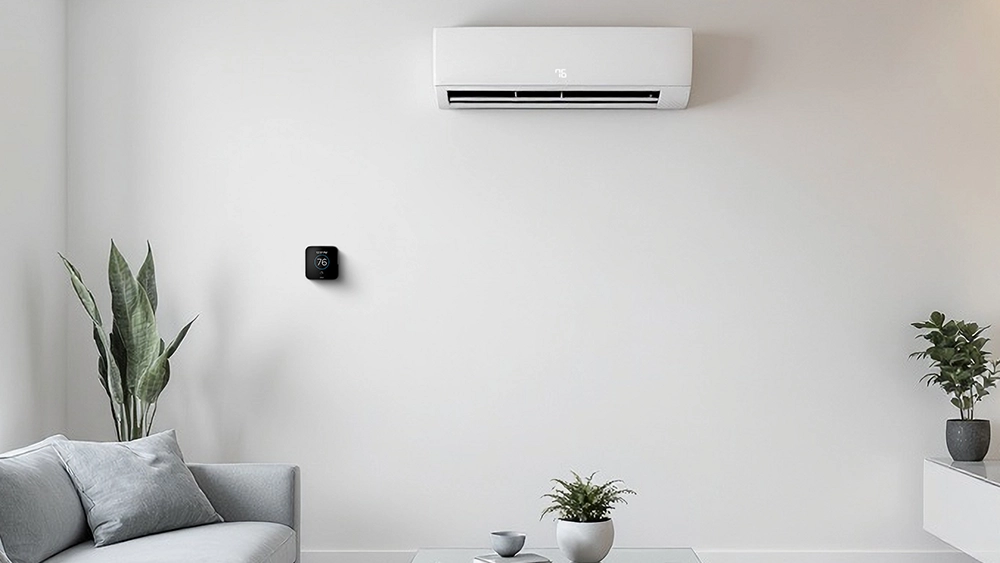
Upgrading to a smart thermostat for mini-splits eliminates these communication issues entirely, while adding greater control and efficiency. These devices are easy to set up and let you manage your system from anywhere through app-based control, no longer relying on a remote that can get lost, damaged, or fall out of sync.
Moreover, they also help maintain an ideal home climate. Cielo Breez Max, for example, features Comfy Max, an AI-based mode that maintains your desired temperature while preventing overcooling or overheating.
[insidacta]
-
Malfunctioning Components
Cooling problems can also result from faulty electrical or mechanical components.
Michelle Maes explains:
“Electrical issues, specifically failing capacitors or loose connections at the outdoor condenser, are something we catch constantly during maintenance calls. The extreme summer heat accelerates wear on these components faster than homeowners expect.”
-
Stuck Reversing Valve
A reversing valve is the component in a mini-split heat pump that lets the system switch between heating and cooling. It works by redirecting refrigerant flow: in cooling mode, refrigerant flows one way to pull heat out of your home, and in heating mode, the valve reverses that flow so the system pulls heat in instead.
If the valve gets stuck due to any issue, the system can continue running in heating mode even when you’ve set it to cool.
According to HVAC pro Michelle Maes, “It causes the system to run in heating mode even when cooling is demanded. This is a less obvious issue, and It’s easy to misdiagnose as a refrigerant problem if you’re not specifically testing for it.”
An HVAC professional can diagnose and fix the reversing valve issue.
What to Do When Your Mini-Split Isn’t Cooling
Start with these basic checks:
- Confirm that the system is set to Cool mode.
- Make sure the set temperature is below the current room temperature.
- Check and clean the air filter.
- Inspect the indoor and outdoor units for ice buildup.
- Make sure air inlets and outlets are unobstructed.
- Check for unusual sounds or signs of a refrigerant leak.
- If the problem persists, contact a qualified HVAC professional.
If you find frozen coils, recurring ice buildup, signs of a refrigerant leak, or a component that isn’t functioning properly, don’t attempt to repair it yourself.
Keep Up With Mini-Split Maintenance
Routine mini-split maintenance is the key to reliable performance. Clean air filters every two weeks and replace them every three months to ensure proper airflow.
Pro Tip: Use Cielo smart thermostats for mini-splits to get real-time filter-cleaning alerts and never miss mini-split maintenance.
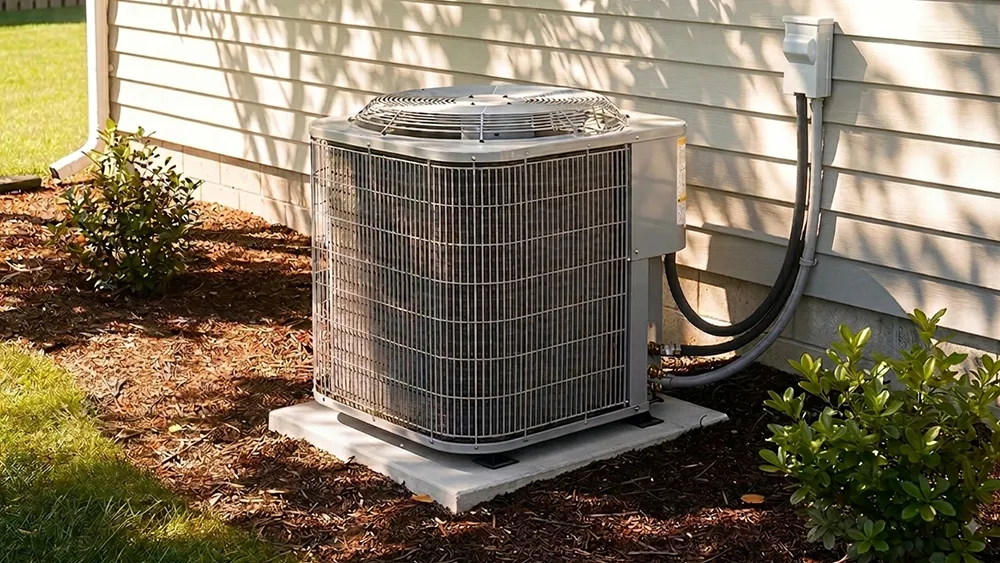
Inspect the outdoor unit regularly for blockages. Trim any vegetation within two feet to maintain adequate airflow.
In addition, schedule professional maintenance at least twice a year, once before the heating season in winter and once before the cooling season begins, to ensure reliable performance year-round.
In Conclusion
When a mini-split isn’t cooling, the cause can range from incorrect settings and restricted airflow to frozen coils, refrigerant leaks, or malfunctioning components. Checking the simple issues first can help narrow down the problem and determine whether professional service is needed.
Regular maintenance, including filter cleaning and routine inspections, can help identify potential issues before they turn into larger cooling problems.