Cielo
Cielo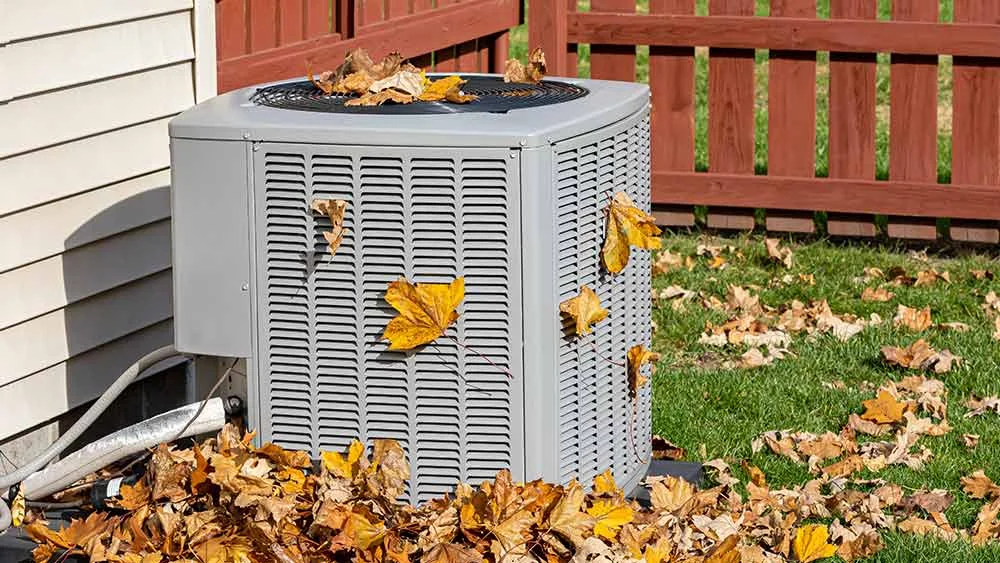
Key Takeaways
- A fall HVAC maintenance checklist helps identify potential problems before cold weather arrives.
- Clean or replace the air filters before the heating season begins.
- Pay attention to unusual sounds, odors, or heating performance issues.
As cooler temperatures and crisp leaves mark the arrival of fall, it’s time to prepare your HVAC system for the heating season ahead. A little maintenance now can help maintain proper airflow, support efficient operation, and identify potential issues before they become larger problems.
While most maintenance tasks are easy to handle yourself, a professional inspection can identify problems that may affect your system’s safety and performance.
Meet the Experts
- Brain Adame is an HVAC professional and owner of Accutrol Heating & Cooling.
- Eli Zimmer is an HVAC professional at Luxaire HVAC Services.
Fall HVAC Maintenance Checklist
Fall is a great time to focus on HVAC maintenance because it lets you catch small issues before the system has to work hard through the colder months.
“One thing I tell homeowners every fall is not to wait until the first cold night to find out something is wrong. Schedule maintenance in advance so you can check the burners, ignition system, blower, electrical connections, safety controls, and overall system operation,” says HVAC technician Brian Adame.
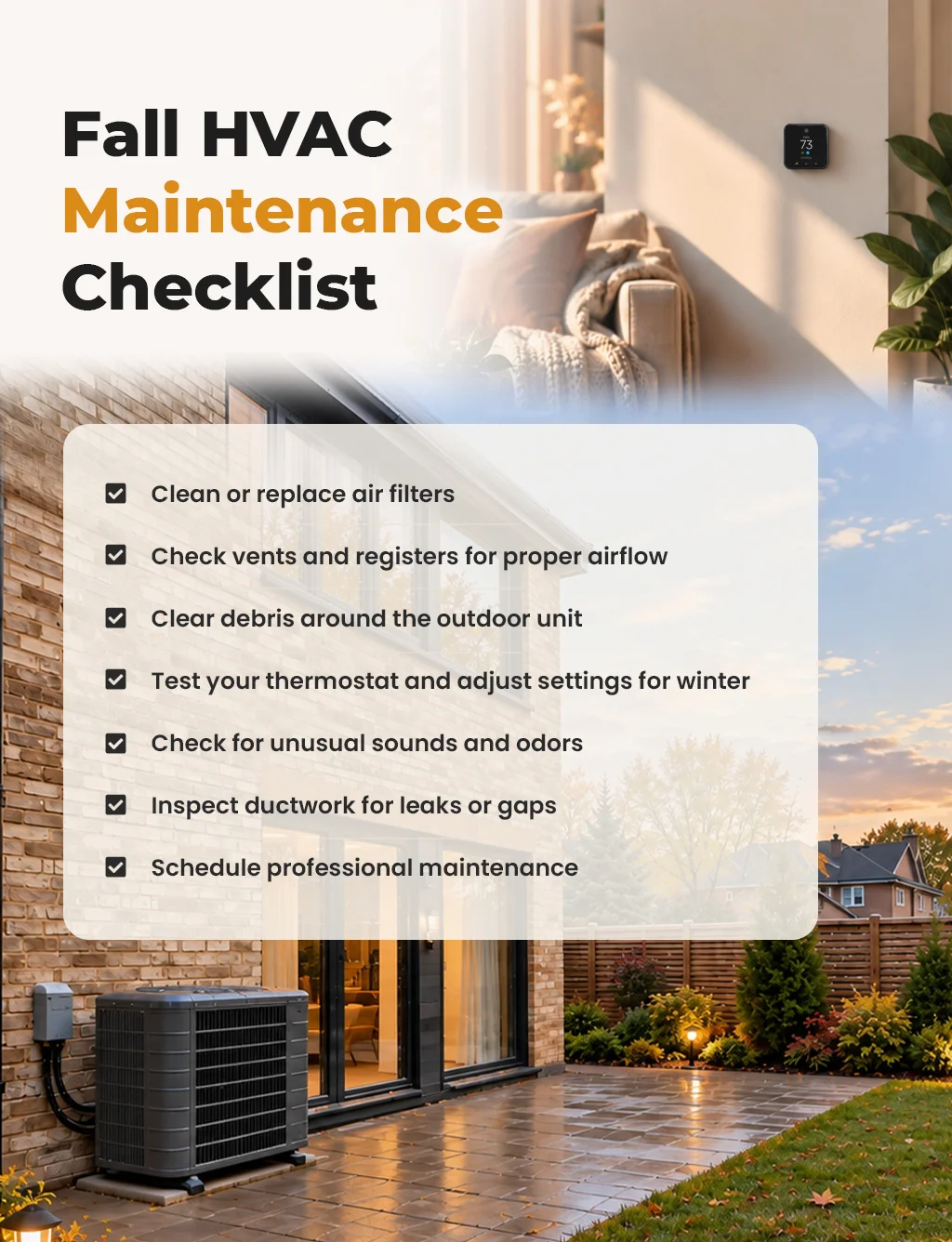
1. Clean or Replace Air Filter
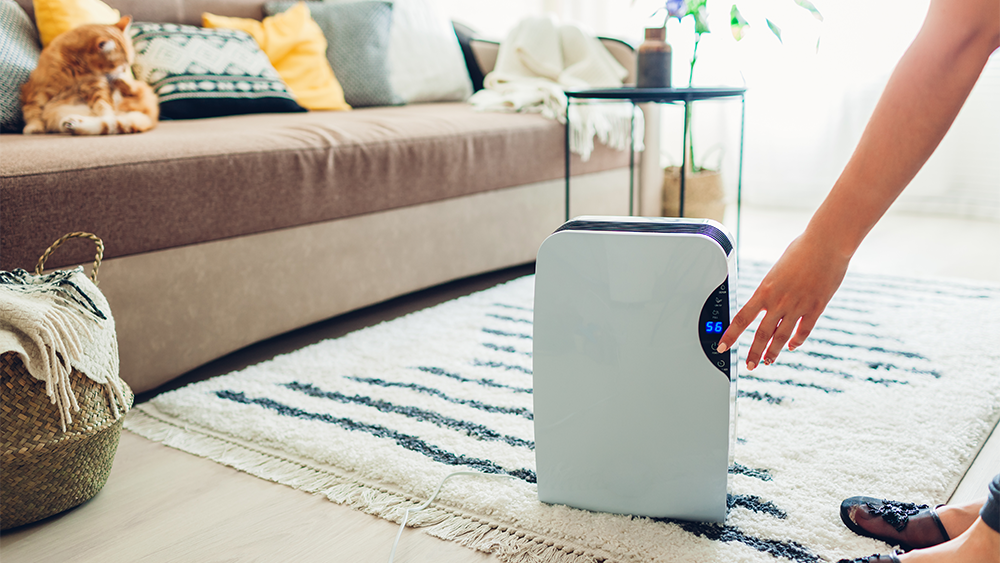
The air filter is one of the simplest and most important items to check before the heating season. A clogged filter can restrict airflow, make your system work harder, and increase energy use. Clean or replace filters according to your equipment and the manufacturer’s recommendations.
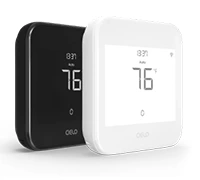
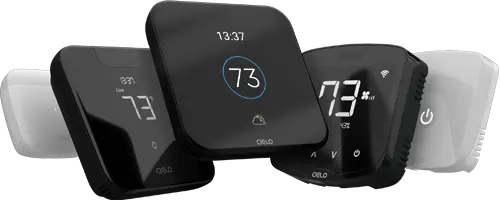
Budget-friendly smart thermostat for central HVAC systems. A thermostat that guarantees savings.
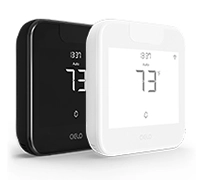
Award-winning smart thermostat for mini-splits. Technology that goes above & beyond.
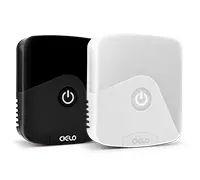
Sleekest smart thermostat for mini-split, window & portable ACs. A design that magically blends.

Smart mini-split thermostat that is engineered for affordable comfort. Small in size, big in benefits.
“One of the most important things to do in the fall is to replace your HVAC filter (or clean it if you have a reusable one). The frequency with which you should replace your filter depends on the type of filter you have and how quickly it gets dirty, but in general it’s smart to do this in the fall, as you transition from cooling your home to heating,” says HVAC pro Eli Zimmer.
- Central systems, such as furnaces and ducted heat pumps: Replace the filter before the heating season begins.
- Ductless mini-split and window heat pumps: Clean the filter before the heating season starts. Most filters are washable. Rinse them thoroughly, let them dry, and then reinstall them. Pair your ductless system with a Cielo smart thermostat for mini-splits to get timely air filter-cleanliness reminders.
Related: How Often To Change Your Air Filter for Better Indoor Air Quality?
Your best choice to make any mini-split, window,
or portable AC smart. Enhance your comfort and savings.
2. Test Your Thermostat and Adjust Your Fall Settings
Your thermostat controls when your heating system runs, so make sure it is working properly before colder weather arrives.
Test the following:
- Thermostat communication with your furnace or heat pump: The system should respond to thermostat adjustments.
- Temperature accuracy: Compare the thermostat reading with a separate thermometer to confirm it reads the indoor temperature accurately. Replace the batteries if applicable.
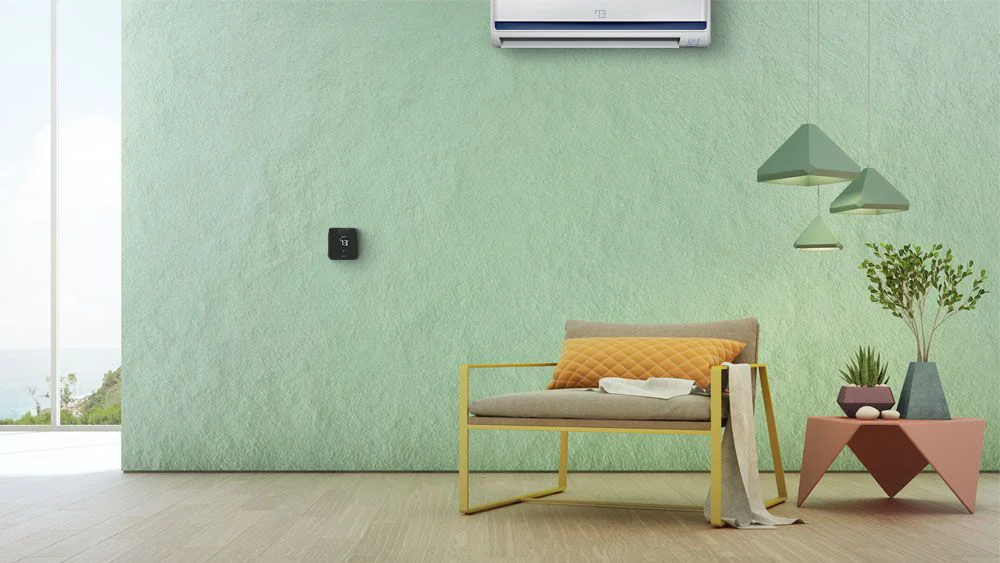
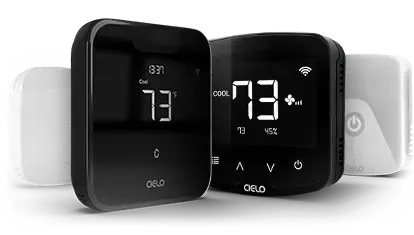
If your thermostat is outdated, consider upgrading to a smart thermostat. It can help manage heating and cooling around your schedule, adjust automatically as your comfort needs change, and reduce unnecessary energy use.
Equip your HVAC system with smart features and achieve the perfect balance between comfort & savings.
Learn more
3. Adjust Thermostat for Fall Settings
Fall temperatures can shift throughout the day, from cool mornings to warmer afternoons. Use Auto mode to automatically switch between heating and cooling as needed, helping maintain a comfortable indoor temperature as outdoor conditions change.
4. Check Vents and Registers for Proper Airflow
Walk through your home and check that supply registers and return vents are open and unobstructed.
Furniture, rugs, curtains, and other household items can block airflow, making it harder for heated air to circulate throughout your home and potentially affecting system performance.
If certain rooms consistently feel colder than others, have an HVAC professional evaluate your system and ductwork to identify potential airflow issues.
5. Clear Debris Around the Outdoor Unit
If you have a heat pump or other outdoor HVAC equipment, inspect the unit before the heating season begins.
Clear away leaves, grass, branches, and other debris that could restrict airflow. The Consortium for Energy Efficiency (CEE) recommends keeping outdoor units free of debris and obstructions to maintain proper airflow.
6. Inspect Ductwork for Leaks
Inspect ductwork for visible gaps, disconnected sections, or damaged insulation. Leaky ducts can cause energy loss and uneven comfort.
A visual inspection can help spot obvious issues, but a qualified HVAC professional should handle duct sealing and testing.
7. Pay Attention to Unusual Sounds and Odors
The first heating cycle of the season may come with a few familiar sounds and smells. A light burning-dust smell that disappears quickly can be normal as accumulated dust burns off heating components. However, persistent or unusual sounds and odors shouldn’t be ignored, and they warrant a professional inspection.
|
Sounds |
Odors |
|
A high-pitched furnace sound could be caused by an issue with a valve or the motor |
Burning plastic or electrical smell may indicate an electrical or component issue |
|
Rattling or vibrating may point to a loose component |
A pungent, metallic smell coming from your furnace can be a warning sign of a cracked heat exchanger. |
|
Repeated clicking indicates a faulty control board or a loose connection |
A recurring musty smell may indicate a mold issue |
|
A hissing sound near a furnace indicates a gas leak |
A rotten-egg or sulfur smell can indicate a natural gas leak |
⚠️Safety Warning: Carbon monoxide has no smell, so make sure working CO detectors are installed and tested regularly. For persistent or unusual problems, especially with fuel-burning equipment, have a qualified technician inspect the system instead of trying to diagnose the issue yourself.
8. Seal Air Leaks & Drafty Spots
Drafty windows and doors can make it harder to heat your home, affecting comfort and potentially increasing heating costs.
- Check weatherstripping: Inspect the weatherstripping around your windows and doors. Caulk around small gaps and corners.
- Check for visible gaps: Inspect areas around window and door frames for obvious gaps where outdoor air may enter.
- Consider window insulation: Window insulation kits can provide an additional barrier around drafty windows during colder weather.
Schedule Professional HVAC Maintenance
The U.S. Consumer Product Safety Commission recommends annual professional inspection of fuel-burning home heating systems, including furnaces and boilers, because improperly operating equipment can create carbon monoxide hazards.
What Professional HVAC Maintenance Covers
Depending on the type of HVAC system, professional maintenance may include:
- Lubricating moving parts: Where applicable, a technician can inspect and lubricate components according to the manufacturer’s maintenance requirements.
- Inspecting the thermostat: A technician can check thermostat wiring, connections, and operation as part of a broader system inspection.
- Checking electrical connections: The technician can inspect electrical connections and address loose or damaged connections as part of routine maintenance and safety checks.
- Inspecting the heat exchanger: It is an important component to inspect because problems can affect safe operation.
- Checking fuel and combustion components: For fuel-burning systems, this may include inspecting gas or oil connections, gas pressure, burner operation, combustion, and the heat exchanger.
- Inspecting venting and flues: A technician can check venting components for blockages and other issues that could interfere with its function.
-
Checking for odd sounds and odors: A technician can listen for unusual noises and check for strange smells during operation.
- Checking refrigerant levels: For heat pumps, professional maintenance includes checking for refrigerant leaks.
In Conclusion
Fall maintenance isn’t about making your HVAC system work harder. It’s about giving it the attention it needs before temperatures drop and heating demand increases.
Start with the basics: check your filters, keep vents clear, remove debris around outdoor equipment, inspect accessible ductwork, and watch for unusual sounds, smells, or performance issues. For furnaces and other fuel-burning systems, schedule professional maintenance before cold weather arrives.
A combination of routine upkeep and professional inspection can help keep your HVAC system operating safely and reliably throughout the heating season.
Frequently Asked Questions
HVAC maintenance typically costs $75 to $200 annually. The exact price varies based on factors such as the system type, unit condition, and labor costs.
What Are the Drawbacks of Neglecting HVAC Maintenance?
How Much Does an HVAC Inspection Cost?