Cielo
Cielo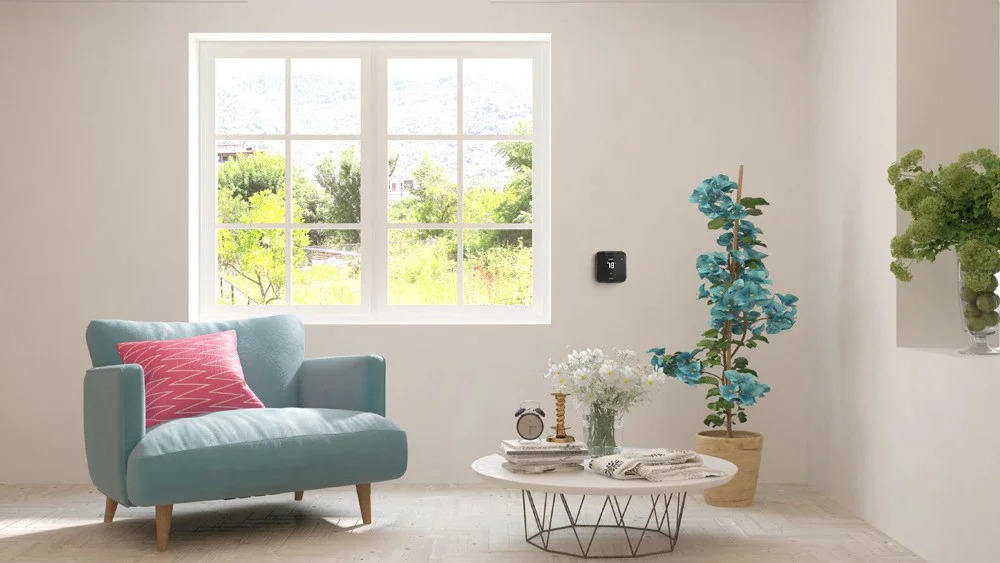
Key Takeaways
- Set your thermostat to 78°F when you’re home and 85°F when you’re away to save energy.
- Smart thermostats can help maintain ideal temperature and humidity levels in summer.
- Timely HVAC maintenance and upgrading your insulation can help you stay cool while saving on bills.
With rising summer temperatures, homeowners often ask one important question: “What temperature should I set my air conditioner in summer?”
Set your air conditioner too low, and you’ll end up with higher energy bills and unnecessary wear on your system. Set it too high, and your home may never feel as comfortable as you’d like.
In this guide, we’ll cover the best summer thermostat settings for both when you’re home and when you’re away, along with simple ways to keep your home comfortable without driving up your energy bills.
Best Summer Temperature Settings When at Home

Air conditioning offers a welcome escape from the summer heat, but running it without a strategy can quietly drive up your energy bills. The average U.S. household is expected to spend nearly $800 to keep their homes cool.
The good news is that a few thermostat adjustments can help you stay comfortable while keeping cooling costs under control.
The U.S. Environmental Protection Agency’s ENERGY STAR® program recommends setting your thermostat to 78°F while you’re home during summer. This temperature offers a good balance between comfort and energy efficiency.
That said, comfort is subjective. While 78°F is considered the most energy-efficient setting for most homes, you can lower it during extreme weather conditions.
You can also adjust your thermostat according to different times of the day.
- Morning and evening (before noon and after 6 p.m.): 78°F is typically comfortable while minimizing energy use.
- Peak afternoon hours (12 p.m. to 6 p.m.): If someone is home and outdoor temperatures are especially high, lowering the thermostat to 75°F or 76°F can help maintain a comfortable indoor environment.
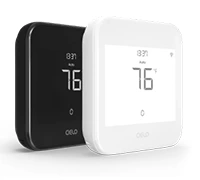
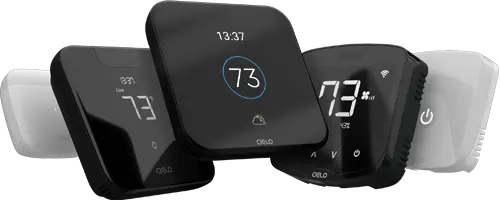
Budget-friendly smart thermostat for central HVAC systems. A thermostat that guarantees savings.
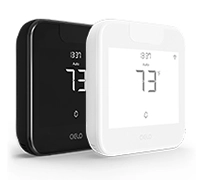
Award-winning smart thermostat for mini-splits. Technology that goes above & beyond.
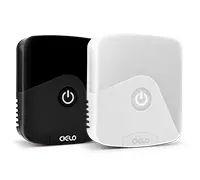
Sleekest smart thermostat for mini-split, window & portable ACs. A design that magically blends.
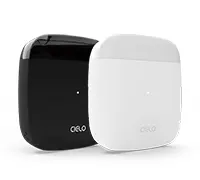
Smart mini-split thermostat that is engineered for affordable comfort. Small in size, big in benefits.
Setback & Save When You’re Away
When you’re away, your priority shifts from comfort to efficiency. There’s no need to keep your home as cool when it’s unoccupied, but you also don’t want the indoor temperature or humidity to climb too high.
According to ENERGY STAR, adjusting the temperature 5 – 8 degrees from your usual settings can help save energy. During summer, that means setting your thermostat to around 85°F while you’re away.
A smart thermostat can make this happen automatically. It can adjust the temperature when you leave using schedules or geofencing, then switch back to your preferred settings about 30 minutes before you return, so you arrive at a comfortable home without wasting energy all day.
Equip your HVAC system with smart features and achieve the perfect balance between comfort & savings.
Learn more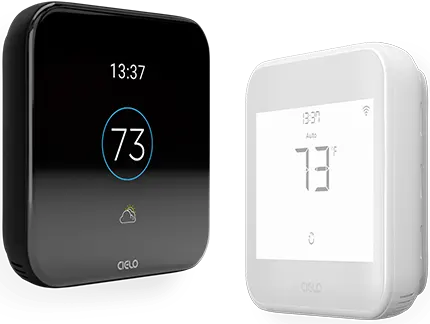
What’s the Best Indoor Humidity Level in Summer?
Humidity plays a major role in how comfortable your home feels. Even if your thermostat is set to the perfect temperature, high humidity can leave your home feeling sticky and uncomfortable.
For example, 78°F at 85% humidity feels much warmer than 78°F at 35% humidity. That’s why people living in dry climates can often keep their thermostat set slightly higher while feeling just as comfortable as someone living in a humid region.
For optimal comfort, aim to keep the humidity between 30% and 50% during the summer.
7 Tips to Maintain the Best Summer Temperature While Saving Energy
Now that you’ve gotten the answer to what temperature you should set your air conditioner to, you must be wondering about the increased energy bills. Saving energy is as important as keeping yourself cool. This is one of the greatest concerns during summer because bills skyrocket due to increased air conditioning. While this is a great cause of concern, there are still ways to help you save money during summer while you enjoy the perfect temperature at home!
How?
Let’s go over some tips that can help you slash your bills this summer!
1. Make Your Home Climate Smart!
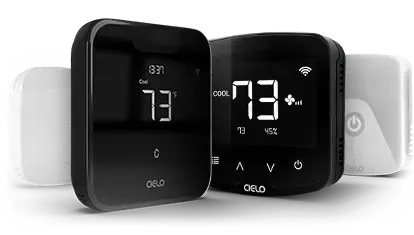
Getting a smart thermostat for your central system or a smart AC controller for your mini-split, window, or portable air conditioner can make fine-tuning your temperature control quite simple.
You can create schedules that match your daily routine. For example, you can raise the temperature to 85°F when you leave for work and lower it back to 75°F to 78°F shortly before you return home. With geofencing, your system can even adjust automatically based on your location, ensuring your home is comfortable when you arrive while avoiding unnecessary cooling when you’re away.
Some smart AC controllers go a step further. Cielo Breez Max, for example, features Comfy Max, an AI-powered feature that automatically maintains your preferred temperature by intelligently adjusting your mini-split’s settings throughout the day without overcooling your home.
With the right smart climate control system, maintaining the ideal summer temperature and humidity becomes automatic, helping you stay comfortable while reducing energy use and cooling costs.
Your best choice to make any mini-split, window,
or portable AC smart. Enhance your comfort and savings.
2. Get an Energy-Efficient HVAC System
An old HVAC system will increase your utility bills because it slows down with time, requires more maintenance, and has reduced efficiency. They not only add to your utility bills but also to maintenance costs. It’s best to replace your HVAC system after 15 years because the air conditioner’s usual life span is 15-20 years.
When buying a new air conditioner, look for one that’s ENERGY STAR® certified. These units have been found to keep energy consumption low, making them an excellent choice for your home. Moreover, ENERGY STAR® certified smart thermostats can help you save approximately 8% on heating and cooling costs.
3. Focus on Regular HVAC Maintenance
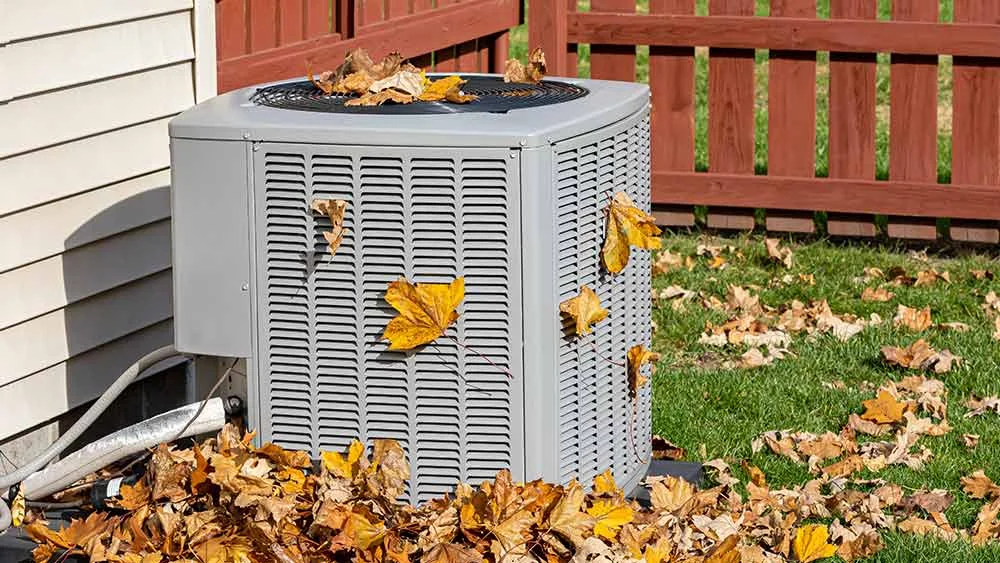
Make sure to keep your HVAC system in top-notch condition. This requires following a scheduled maintenance routine for your HVAC unit. You can do it yourself, or you can schedule an appointment with an expert every season to make sure that your system runs efficiently. Regular maintenance not only helps you save energy but also prevents costly HVAC repairs later on down the road.
4. Put Ceiling Fans to Use
Ceiling fans might not make a huge difference when used alone, but they make a difference when coupled with AC. Running the ceiling fans does not mean they will keep the temperature cool, but they can help move the air around, keeping the atmosphere pleasant. They help air conditioners do their job better. Your unit will introduce the cool air into your room, and your fan will spread it to a wider area. You won’t have to lower your air conditioner’s temperature to keep the space cool if you use ceiling fans along with air conditioners.
5. Keep Humidity Levels in Check
Sometimes the temperature seems perfect, but still, something feels off. Usually, it is when humidity levels come into play. As mentioned above, it is vital to maintain perfect humidity levels for a comfortable environment.
Your air conditioner doesn’t display indoor humidity levels, making it difficult to know when humidity is affecting your comfort. A smart thermostat with built-in humidity sensors lets you monitor indoor humidity in real time, helping you maintain a more comfortable home.
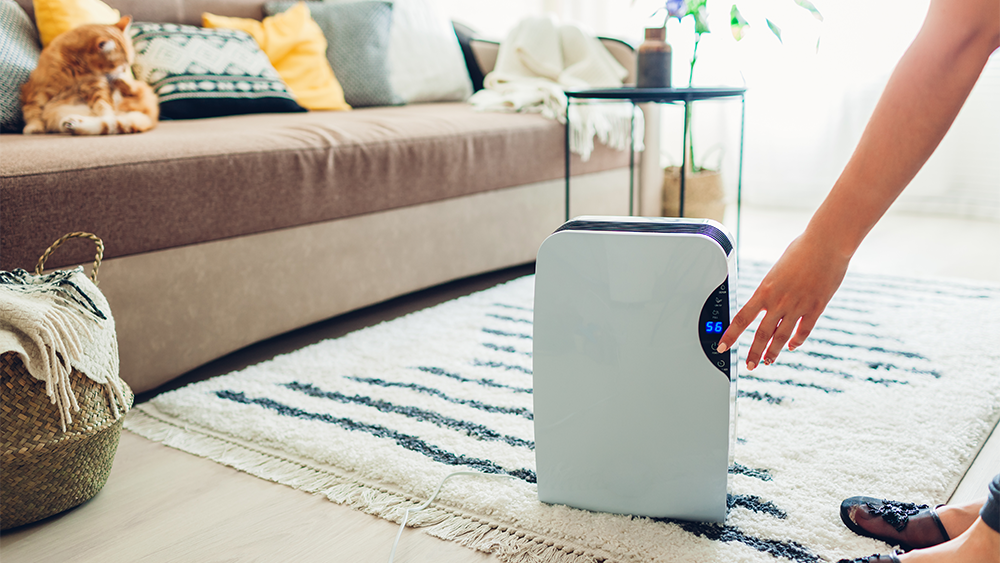
If you have a whole-home dehumidifier paired with a smart thermostat, you can simply set your preferred humidity level and let the thermostat automatically maintain it.
For ductless systems, Cielo Breez mini-split thermostats offer Comfy Humidity mode. Simply set your preferred humidity range and choose how your mini-split should respond when humidity rises above or falls below your set levels. The system automatically makes the necessary adjustments to maintain ideal humidity levels.
6. Look Out for Air Leaks
Look out for gaps around windows because poorly sealed windows leak air. The cool air keeps escaping through the gaps. This would make your air conditioner work harder to cool the space and maintain its temperature. Sealing such leaks or gaps helps make the room airtight, keeping the conditioned air inside your home. Here is a detailed guide on window insulation.
7. Use Window Treatments
With 30% heat being transferred through windows, you can invest in energy-efficient windows or window treatments to block out the heat and make the most out of your air conditioning at a low cost! It’s easier to maintain a cool summer temperature when you are not allowing the heat to enter from the outdoors. Thick curtains, blinds, shades, solar screens, and window films effectively keep out the heat.
Now that you know the right AC temperature to keep in summer, you can look forward to a pleasant summer season. You won’t have to worry about the spiking utility bills if you follow the tips mentioned above.