Cielo
Cielo
Key Takeaways
- Setting your HVAC fan to “auto” means it only runs during heating or cooling cycles, conserving energy.
- The “on” mode keeps the fan running continuously, ensuring consistent air circulation.
- Some thermostats offer a “circulate” fan setting, where the fan runs at a lower speed.
Your HVAC fan plays an important role in circulating air throughout your home, but choosing the right setting can make a difference in comfort, energy use, and system operation. The two most common options, “auto and “on”, work differently and are suited to different situations. Understanding how each setting works can help you choose the right one for your home.
Meet the HVAC Experts
- Scott Levene is an HVAC specialist and Vice President at Levco.
- Rick Christiansen is an HVAC Expert at Salt Lake Cooling Repair.
What Does the “On” Fan Setting Mean?
The “on” fan setting keeps your HVAC fan running continuously until you change the setting. This means the system’s blower continues circulating air even when the AC or heating system is not actively running.
When the system is heating or cooling, the fan distributes the conditioned air throughout your home. When there is no active heating or cooling cycle, the fan continues to circulate the existing indoor air.
Running your HVAC fan continuously has several potential benefits, but it also comes with some drawbacks.
Pros of Using the “On” Fan Setting
- Better Air Circulation
A continuously running fan helps circulate air throughout your home and can reduce hot and cold spots.
Because hot air rises, it can accumulate on upper floors, making them warmer than lower levels. Keeping the fan running helps circulate air between floors and improves temperature consistency in multi-story homes.
- Less Starting and Stopping of the Fan
With the fan running continuously, the blower does not have to repeatedly start and stop. This reduces fan start-up cycles.
- Fresher Indoor Air
During mild weather in spring and fall, your heating and cooling system may remain off for extended periods. Running the fan keeps air moving throughout the home and helps prevent it from feeling stagnant or stuffy.
- Better Air Filtration
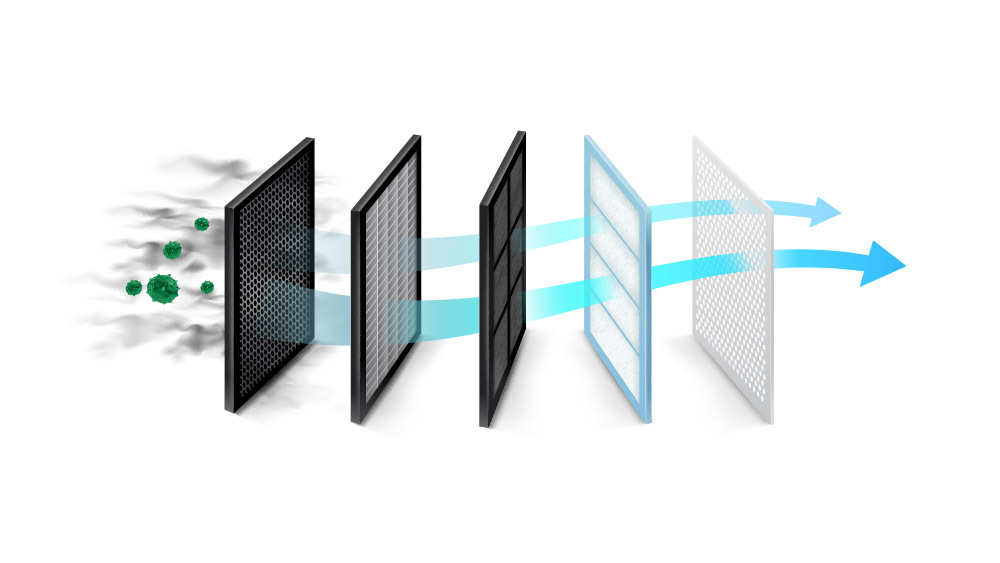
When the fan runs continuously, more air passes through your HVAC filter. This can help capture airborne particles such as dust, pollen, bacteria, and mold.
Filtration effectiveness depends on your filter type and condition. Filters with higher MERV ratings can capture smaller particles, but they also need proper maintenance and replacement as recommended.
- Cool Breeze in Summer
Running the fan can create a gentle airflow throughout your home, similar to the air movement you get from a ceiling fan. This can make the space feel more comfortable even when the AC is between cooling cycles.
Cons of Using the “On” Fan Setting
- Higher Energy Use
Running the blower fan continuously uses more electricity than running it only when heating or cooling is required. The actual energy use depends on your HVAC system and its efficiency.
- More Frequent Filter Changes
Because air continuously passes through the filter, it can collect dust and other particles more quickly. This means you need to replace the filter more often.
- Extra Strain on AC
If your ductwork runs through a hot attic or near exterior walls, continuous fan operation can circulate warmer air from those areas through your home. This can make it harder for the AC to maintain your desired temperature.
- Cold Air Circulation in Winter
Running the fan when the heating system is not actively heating can create noticeable airflow from the vents. The windchill effect from fan circulation can make you feel colder.
- Less Effective Humidity Control
During cooling, moisture condenses on the evaporator coil and is removed from the home through the condensate system. If the fan continues running after the cooling cycle ends, some of the moisture remaining on the coil can evaporate back into the indoor air.
As a result, continuous fan operation can make humidity removal less effective.
What Does the “Auto” Fan Setting Mean?
Setting your HVAC system fan to “auto” means running it only when the system is heating or cooling. For example, after your thermostat reaches the required temperature, the system turns off, including your AC’s fan.
HVAC pro Rick Christiansen says, “The ‘auto’ setting is ideal for most homeowners, since it will turn the blower on only when the system is heating or cooling. This provides comfort without the added electricity use and constant fan noise of running the fan continuously.
Pros of Using “Auto” Fan Setting
- More Energy Efficient
Running your AC fan on the Auto setting means it will only run when the system is cooling or heating. Setting your fan to “auto” is more energy efficient than running it continuously. As a result, you get lower energy bills.>
HVAC pro Scott Levene recommends running the HVAC fan in “auto” because “The blower will only run when your system is actively heating or cooling. This will give you the best balance of comfort and efficiency. “>
- Better Dehumidification
Since the HVAC fan shuts off in Auto mode as soon as cooling stops, moisture droplets on the condenser coils can easily drip down into the drain pan beneath them. From there, moisture is effectively discarded outside the house. >
- Air Filter Lasts Longer
As the air isn’t getting filtered constantly, the filter lasts longer between replacements.>
Cons of Using the “Auto” Setting
Although this mode provides better humidity control and saves money, a few things might cause a problem for you.>
- Uneven Temperature
Lack of circulation after the system shuts down means hot air will continue to rise, and cold air will stay in the lower part of the room, causing uneven temperature.>
- Blower Motor Wears Out Faster
Setting your HVAC blower to Auto mode will cause the fan motor to turn on and off frequently. This will cause the fan motor to wear out soon and cut its life short.>
- Less Air Filtration
In the “auto” fan setting, air isn’t getting filtered as often, resulting in poor indoor air quality and more allergies.
What is the “Circulate” Fan Setting?
Some thermostats offer a “circulate” option in addition to the standard “on” and “auto” fan settings. It works similarly to “on,” but at a lower speed, and only for a set portion of each hour rather than continuously. You can program how many minutes per hour you’d like it to run.
“Circulate” is logical for the homeowner who wants more uniform air mixing but isn’t interested in using “on” to achieve it,” says Christiansen.
Pros of Using the “Circulate” Setting
- Balanced temperatures
Helps even out temperature differences between rooms without the higher energy cost of full-time circulation
- Reduced stuffiness
Reduces stale, stagnant air when humidity levels are high.
Cons of Using the “Circulate” Setting
- Requires programming
You will have to set up how many minutes per hour you want “Circulate” to run.
- Consumes More Energy
Even though “circulate” runs at a lower speed than “on,” it still isn’t as energy-efficient as “auto,” which turns on only when needed and shuts off automatically once its job is done.
Verdict on AC Fan Mode: On, Auto, or Circulate?
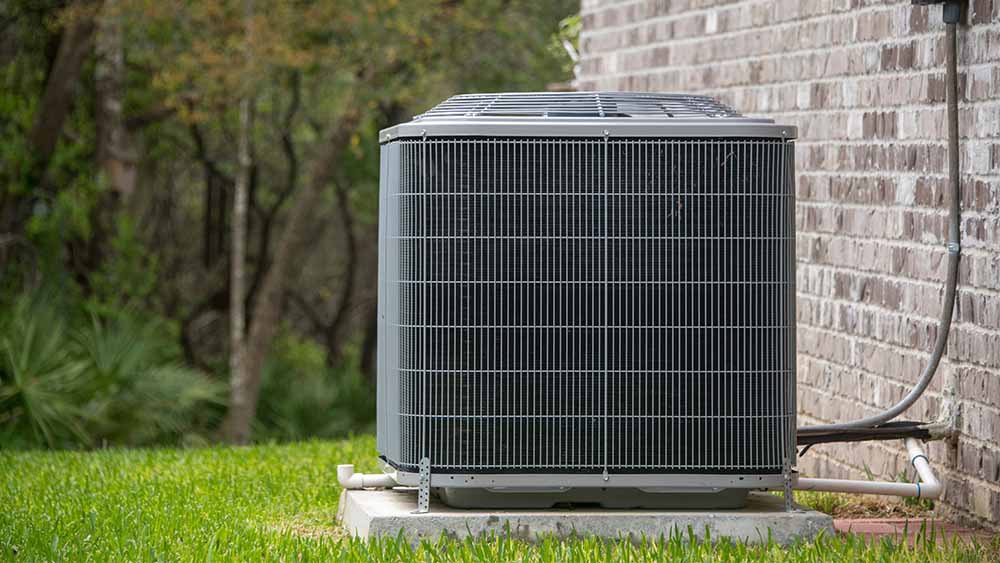
Choosing between “on,” “auto,” and “circulate” depends on factors such as weather conditions, energy consumption, and indoor air quality.
- If anyone in your home suffers from allergies, leaving the fan on can help filter pollen from the air. Just make sure you have the right type of filter for trapping fine pollen and dust particles.
- Cleaning kicks up dust and pet dander, so switching the fan to “on” or “circulate” while vacuuming, sweeping, or dusting helps pull those particles into your HVAC filters instead of letting them resettle.
- If you’re hosting guests, keeping air circulating can prevent your home from feeling stuffy.
- If one part of your home tends to run warmer or cooler than the rest, running the fan on “circulate” can help even out the temperature throughout the house.
- In humid climates, running the fan continuously can interfere with proper humidity removal and contribute to mold growth. “Auto” is generally the safer choice in these regions.
- During mild weather in spring and fall, you may not need heating or cooling, which can leave your home feeling stuffy. Running the fan for short periods can help keep air moving.
The Takeaway
You can set your HVAC blower fan to “on” or “circulate” to remove hot spots and stale air effectively. On the other hand, if saving money and efficiently removing humidity from your space is essential, “auto” is a better choice. No matter which fan mode you choose, don’t forget to properly maintain your HVAC system so it works properly.
Frequently Asked HVAC Fan Questions
Can I Run My Fan On Timer?
Yes, if you have a smart thermostat, you can set a timer to control how long your fan runs each hour. This gives you the benefits of continuous while letting you control exactly how many minutes per hour the fan operates.
Do HVAC Fans Bring in Outside Air?
No, the AC blower fan generally does not bring in fresh outside air. It circulates the air already present in a room to improve the airflow and remove hot and cold spots.
Is It OK to Run the HVAC Fan Continuously?
Yes, it is completely safe and possible to leave your HVAC fan on continuously. It helps circulate air and keep it clean, as it frequently passes through the AC unit's air filters.