Cielo
Key Takeaways
- Neglecting HVAC maintenance can reduce efficiency and cause unexpected breakdowns.
- Setting the thermostat too high or too low can affect heating efficiency and compromise indoor comfort.
- Poor thermostat placement can cause inaccurate temperature readings and uneven heating throughout your home.
Staying warm in winter shouldn’t mean dealing with high energy bills or an HVAC system that struggles to keep up. Yet, some seemingly harmless heating habits can make your system less efficient, affect indoor comfort, and create potential safety concerns.
From cranking up the thermostat to overlooking drafts, here are some common heating mistakes and how to prevent them.
- Setting the Thermostat Too High
- Forgetting to Adjust the Temperature When You're Away
- Using a Non-Programmable Thermostat
- Not Using Your Smart Thermostat to Its Full Potential
- Neglecting HVAC Maintenance
- Incorrect Thermostat Placement
- Setting the Temperature Too Low
- Blocking HVAC Vents
- Relying Solely on Space Heaters
- Keeping Blinds Closed During the Day
- Leaving Fires Unattended
- Using a Fireplace for Supplementary Heating
- Not Focusing on Home Insulation
- Running Exhaust Fans Longer Than Necessary
- Leaving Windows Unlatched
- Make Your Home More Comfortable This Winter
Setting the Thermostat Too High
Turning your thermostat up several degrees when you feel cold might seem like the quickest way to warm your home. However, this method won’t make your HVAC heat faster.
Your heating system runs at a steady rate no matter how high you set the temperature. Cranking the thermostat will only make the system run longer, use more energy, and increase your heating bills.
What to do instead:
- Set your thermostat to a comfortable temperature and give your heating system time to reach it.
- Avoid making drastic temperature adjustments when you feel cold. Instead, turn up the heat by just 1–2 degrees.
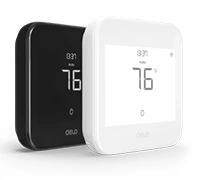
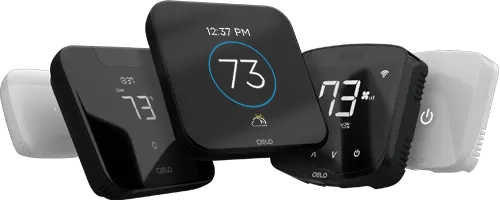
Budget-friendly smart thermostat for central HVAC systems. A thermostat that guarantees savings.
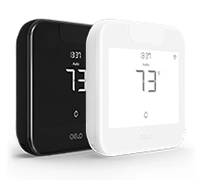
Award-winning smart thermostat for mini-splits. Technology that goes above & beyond.
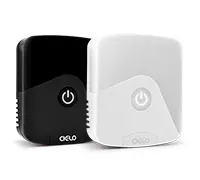
Sleekest smart thermostat for mini-split, window & portable ACs. A design that magically blends.
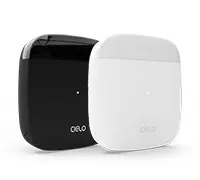
Smart mini-split thermostat that is engineered for affordable comfort. Small in size, big in benefits.
Forgetting to Adjust the Temperature When You’re Away
Keeping your home at the same temperature all day, even when nobody is home, can waste energy. Your heating system doesn’t need to maintain your comfort settings when the house is empty for several hours.
However, turning the heat off completely isn’t an option, as excessively low indoor temperatures can increase the risk of frozen pipes and other issues.
What to do instead:
- Lower your thermostat setting when you’re away for extended periods rather than maintaining your regular comfort temperature.
- According to ENERGY STAR, adjusting the temperature 5 – 8 degrees from your usual settings can help save energy.
- Use a programmable or smart thermostat to automate adjustments for different times of the day.
Related: Common Thermostat Myths Debunked
Using a Non-Programmable Thermostat
A non-programmable thermostat requires manual temperature adjustments throughout the day. If you forget to lower the temperature when you leave home or go to bed, your heating system may keep running at a higher setting than necessary.
This can lead to unnecessary energy consumption and higher heating bills.
What to do instead:
Consider upgrading to a programmable or smart thermostat. These thermostats let you create heating schedules based on your daily routine, automatically adjusting temperatures when you’re home, asleep, or away.
Smart thermostats also offer remote access, letting you control your home climate from your phone.
Not Using Your Smart Thermostat to Its Full Potential
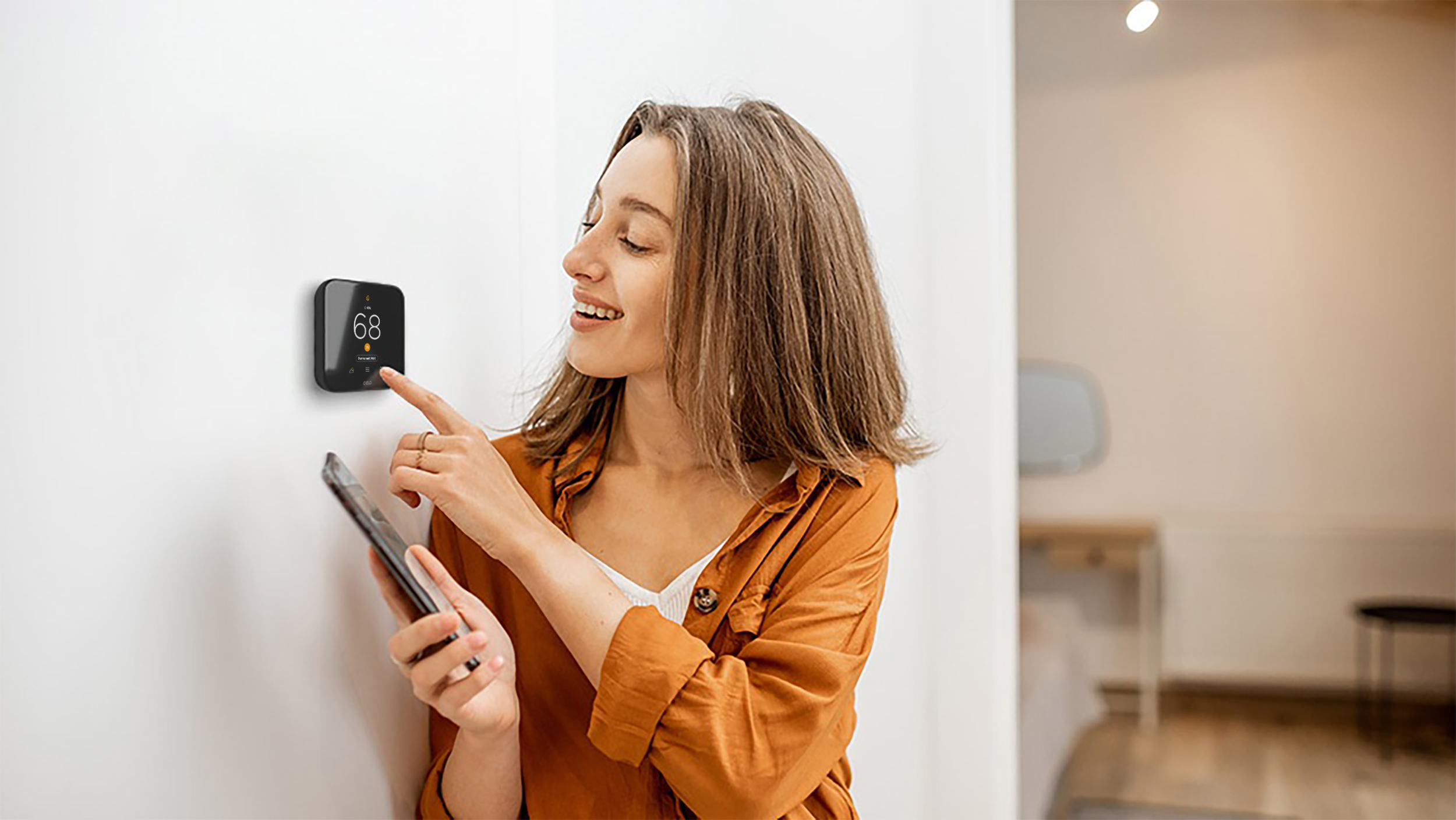
A smart thermostat offers more than basic temperature control. However, using it only to raise or lower the temperature means missing features that can improve comfort and help manage energy use.
What to do instead:
Explore your smart thermostat’s features and use them to optimize your heating routine.
- Global Controls: Monitor and adjust your home climate remotely using your phone.
- Smart Scheduling: Create heating schedules that align with your daily routine.
- Geofencing: Automatically adjusts the temperature as you enter or leave a predefined radius.
- Energy Usage Insights: Track your HVAC runtime and identify opportunities to reduce energy consumption.
Equip your HVAC system with smart features and achieve the perfect balance between comfort & savings.
Learn more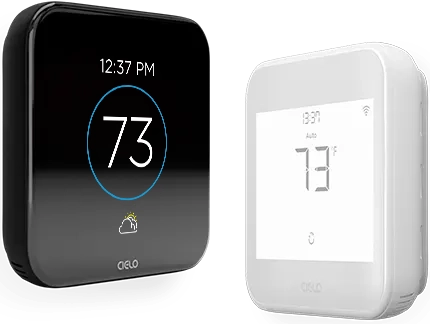
Neglecting HVAC Maintenance
Your heating system needs regular maintenance to operate efficiently and safely. Neglecting routine upkeep can lead to restricted airflow, reduced performance, higher energy consumption, and unexpected breakdowns.
A dirty air filter, for example, restricts airflow and makes your system work harder to circulate warm air. Other overlooked issues, such as a blocked condensate drain, can also affect system performance.
What to do instead:
- Inspect your HVAC filter regularly and replace or clean it as recommended by the manufacturer.
- Schedule professional HVAC maintenance before the heating season.
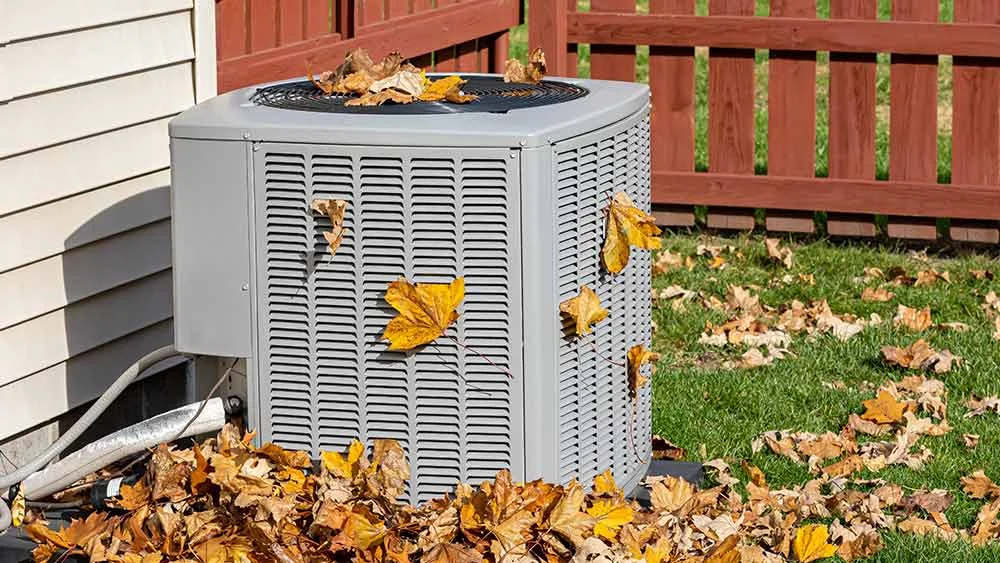
- Keep the area around your outdoor unit clear.
- Address unusual noises, inconsistent heating, or other performance issues promptly.
Related: The Ultimate Furnace Maintenance Guide
Incorrect Thermostat Placement
Placing your thermostat in direct sunlight or near heat-producing appliances can cause inaccurate temperature readings. As a result, your heating system may shut off prematurely and won’t turn on when you need it.
What to do instead:
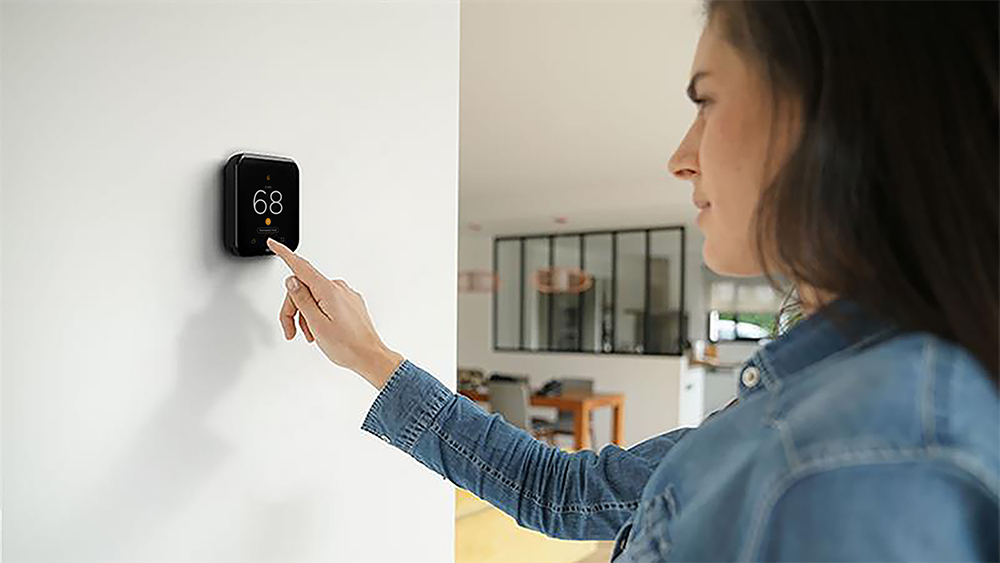
- Install your thermostat on an interior wall, in a central location where you spend most of your time.
- Keep it away from direct sunlight, fireplaces, kitchen appliances, and other heat sources.
- Avoid placing it near drafty windows, doors, or areas with poor airflow.
Setting the Temperature Too Low
Lowering your thermostat in winter can reduce energy use, but setting it too low can cause issues.
If indoor temperatures drop too much, certain areas of your home, particularly poorly insulated spaces, may become cold enough for pipes to freeze. Persistently cold indoor conditions can also affect comfort and may be unsuitable for vulnerable occupants such as the elderly and children.
What to do instead:
- Choose a temperature that balances comfort and energy savings.
- Lower the thermostat moderately when you’re asleep or away; avoid setting it below 64°F.
- Avoid turning the heating system off completely during freezing weather.
Blocking HVAC Vents
Placing furniture, rugs, curtains, or other objects over HVAC supply vents can restrict airflow and prevent warm air from circulating properly.
This can result in uneven temperatures, leaving some rooms colder than others.
What to do instead:
- Keep supply vents and return air grilles clear of obstructions.
- Avoid placing rugs or carpets over floor vents.
- Check that vent louvers are open and positioned to distribute air properly.
Relying Solely on Space Heaters
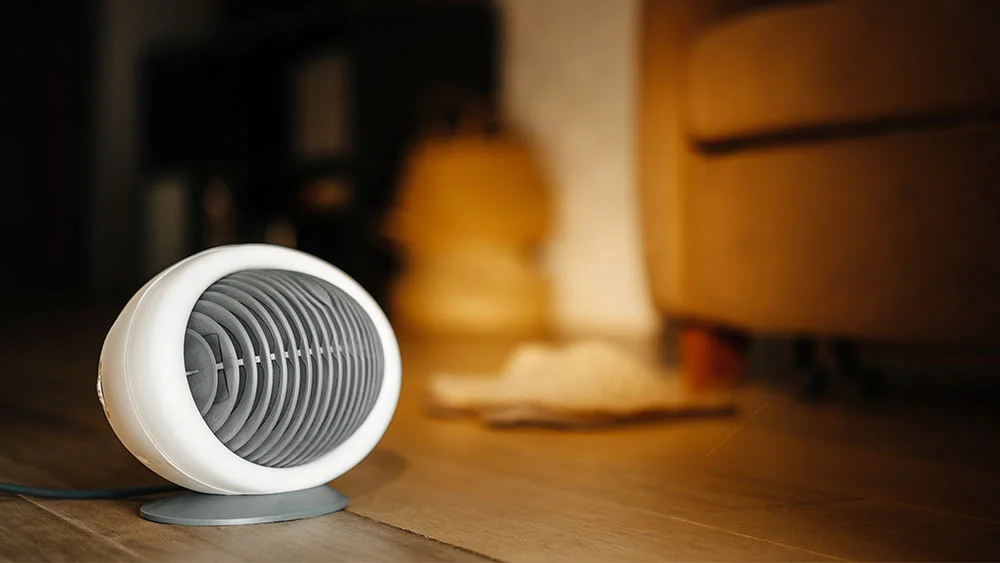
Space heaters can provide supplemental warmth in colder rooms. However, relying on them as your primary heating source can become expensive. They use electricity to generate heat, and running them for extended periods can significantly increase your bills.
More importantly, improper use can create serious fire and burn hazards.
What to do instead:
- Use space heaters to supplement your central heating system, not replace it.
- Choose models with automatic shutoff and tip-over protection.
- Never leave a space heater unattended or plugged in when you are away.
Keeping Blinds Closed During the Day
Natural sunlight can help warm your home during winter. Keeping blinds and curtains closed throughout the day prevents sunlight from entering and providing passive solar heat.
This means missing out on a simple way to make your home more comfortable without using your heating system.
What to do instead:
- Open blinds and curtains on sun-facing windows during daylight hours to let natural sunlight warm your rooms.
- Close them after sunset to reduce heat loss through windows.
- Consider thermal curtains for an extra layer against cold outdoor temperatures.
Leaving Fires Unattended
A fireplace can create a cozy atmosphere and provide supplemental warmth, but leaving a burning fire unattended is a serious safety hazard. The same rule applies to heating stoves.
Sparks, embers, and excessive heat can ignite nearby combustible materials. An improperly maintained fireplace or chimney can also increase the risk of carbon monoxide exposure.
What to do instead:
- Never leave a burning fire unattended.
- Keep furniture, curtains, and other flammable materials away from the fireplace.
- Have your chimney and fireplace inspected and cleaned regularly, and install smoke detectors.
Related: Home Heating Safety: 15 Top Fire Prevention Tips Every Homeowner Should Know
Using a Fireplace for Supplementary Heating
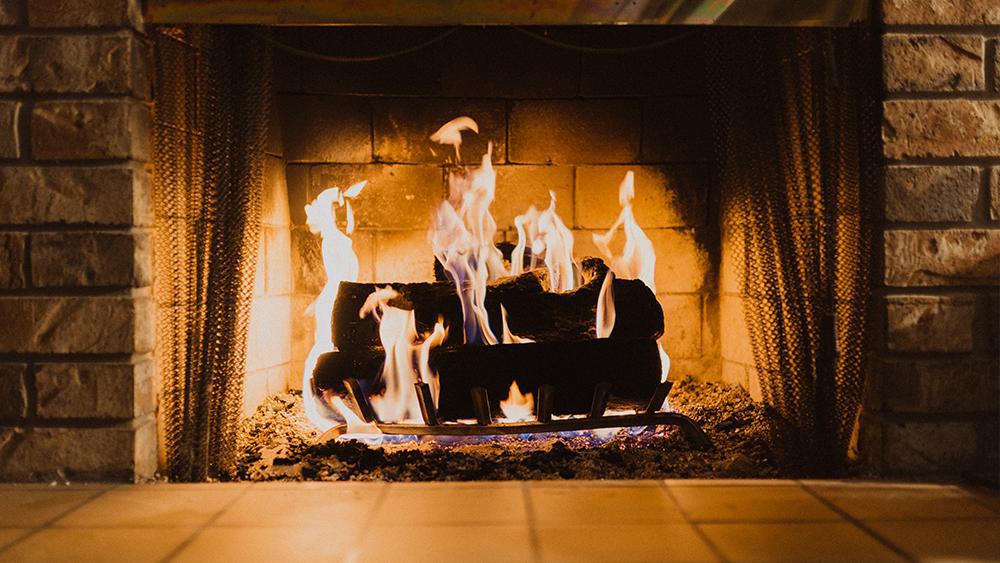
A fireplace may seem like an inexpensive way to supplement your central heating system. However, it doesn’t always distribute heat evenly throughout your home.
Most of the warmth remains concentrated around the fireplace. If your thermostat is nearby, it may register a higher temperature than the rest of your home. This can cause your central heating system to shut off before other rooms reach the desired temperature.
What to do instead:
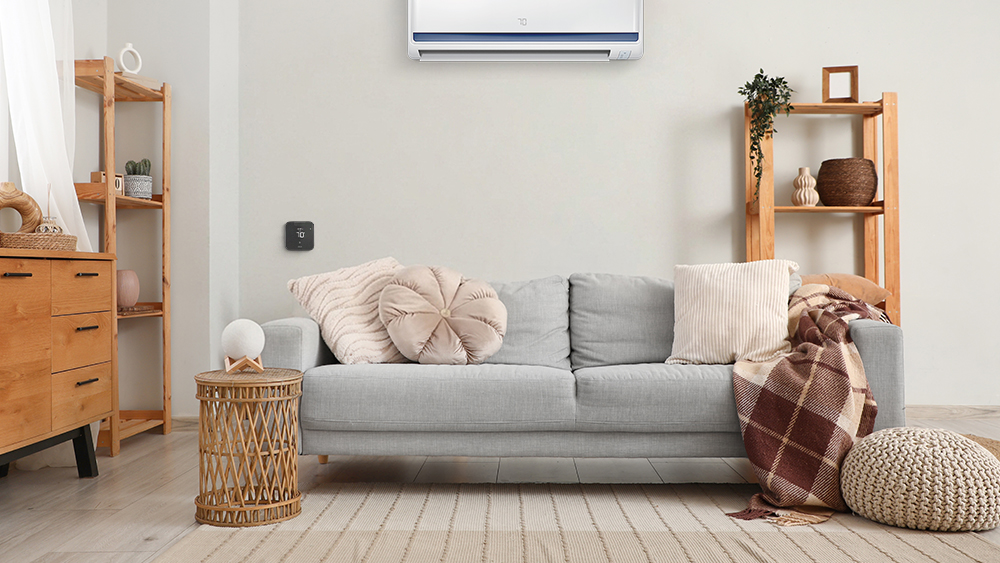
- Supplement your central system with a ductless system such as a mini-split heat pump.
- Avoid installing your thermostat near a fireplace.
Not Focusing on Home Insulation
Air leaks around doors, windows, and poorly insulated areas let warm indoor air escape and cold outdoor air enter.
As a result, your heating system has to work harder to maintain the desired indoor temperature. You may also notice cold spots, uncomfortable rooms, and higher energy bills.
What to do instead:
- Seal cracks and gaps around walls, windows, and other openings with appropriate caulking.
- Improve insulation in areas such as the attic.
- Use draft stoppers along the bottoms of doors.
Running Exhaust Fans Longer Than Necessary
Kitchen and bathroom exhaust fans remove moisture, smoke, odors, and stale air. However, leaving them running longer than necessary can also remove heated indoor air.
When warm air is exhausted, cold outdoor air enters to replace it. This increases heat loss and can make your HVAC system work harder to maintain indoor temperatures.
What to do instead:
- Run exhaust fans only as long as needed to remove excess moisture, smoke, or odors.
- Use timer switches to prevent fans from running unnecessarily.
Leaving Windows Unlatched
Closing your windows doesn’t always mean they’re properly sealed. If a window isn’t fully latched, small gaps can remain between the sash and frame, allowing cold air to enter.
What to do instead:
- Ensure all windows are fully closed and securely latched.
- Replace any broken window latches or worn-out seals.
Make Your Home More Comfortable This Winter
Avoiding common heating mistakes can make a noticeable difference in comfort, energy consumption, and safety. Simple steps such as maintaining your HVAC system, sealing air leaks, keeping vents clear, and using your thermostat effectively can help you get more out of your heating system. Invest in a smart thermostat to manage your heating system more efficiently without constantly changing settings manually.