 Cielo
Cielo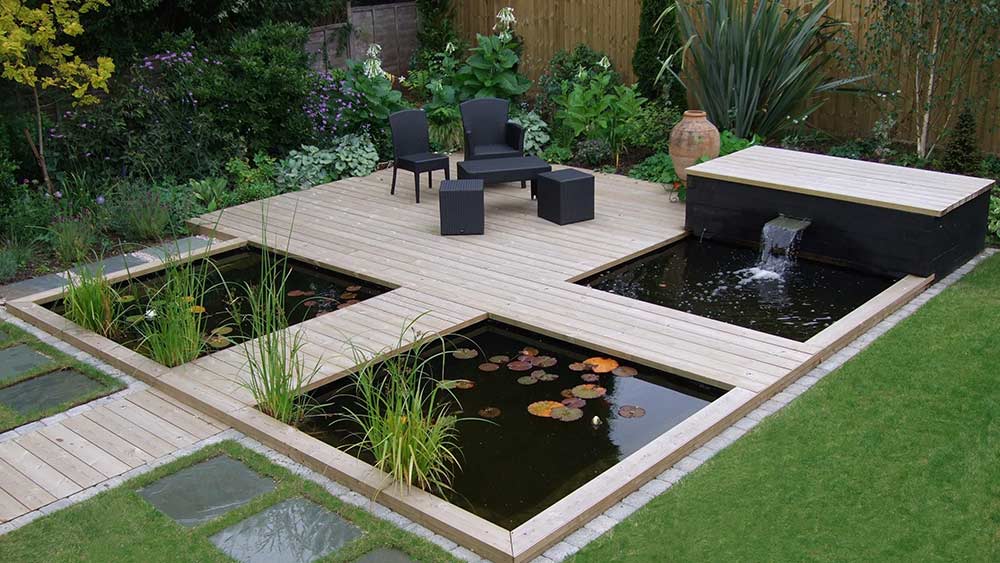
Key Takeaways
- Passive cooling uses shading, insulation, and reflective materials to keep indoor spaces cooler naturally.
- It promotes airflow through techniques like cross and stack ventilation to flush out hot air and bring in cooler air.
- Passive cooling can decrease the need for air conditioning, reducing the strain on power grids.
As global warming continues to cause drastic climatic changes, the summer heat is becoming increasingly unbearable. You may find that your home turns into a metaphorical furnace during a heatwave, prompting you to blast the air conditioning.
This leads to a spike in your energy bills. Apart from that, excessive air conditioning usage in summer months puts immense strain on the energy grid, ultimately resulting in power outages.
To deal with these issues, people are now seeking more economical and eco-friendly ways to cool their homes. This is where the concept of passive cooling comes in.
This blog discusses what exactly passive home cooling is, how it works, its positive impact on reducing energy consumption, and various passive cooling techniques you can employ in your daily life.
What is Passive Cooling & How Does It Work?
Passive cooling is a building design strategy that focuses on preventing excessive heat in your living space while enhancing heat loss by the use of natural sources such as wind, water, and vegetation.
Moreover, components like insulation, energy-efficient windows, and house construction materials are other factors utilized in this technique. It revolves around two main concepts – reducing heat gain and increasing heat loss.
1. Reducing Heat Gain
Sunlight and hot air outside are the main sources of heat gain. If these external elements penetrate a building, they cause the internal temperature to rise.
In passive cooling, one of the core aspects is to reduce this heat gain and maintain a comfortable indoor temperature. Preventive measures like insulating your roof and windows or employing ventilation strategies to elevate the airflow within your home will result in an ideal home climate.
2. Heat Loss
In heat loss, your aim is to transfer and expel the heat from the indoor environment to the outdoor environment. This concept is just as important as reducing heat gain.
You can use techniques such as evaporation and night flushing to help increase heat loss in your home.
Difference Between Passive & Active Cooling
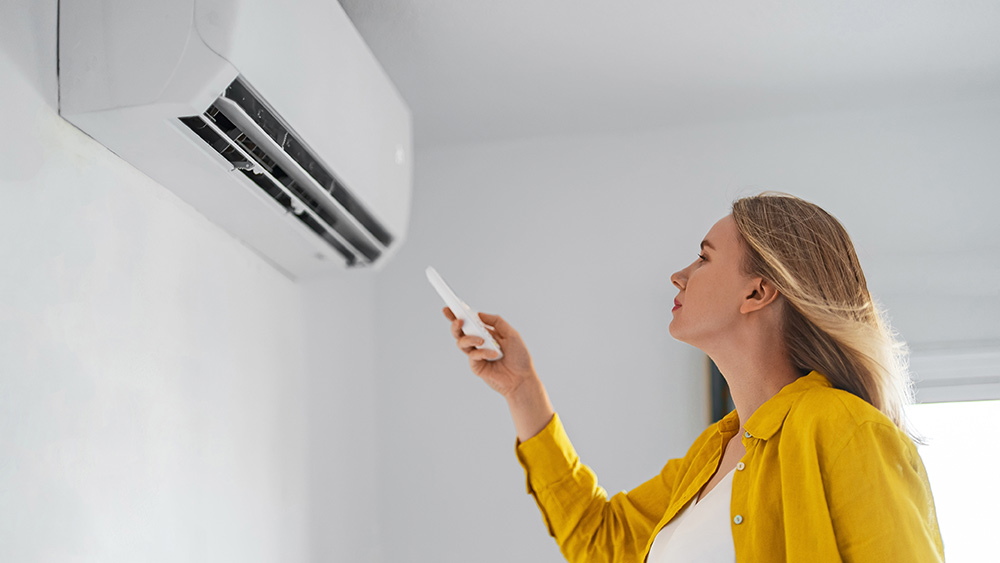
Active cooling uses mechanical systems like air conditioners or fans to cool down a space. These systems use energy from various sources, such as electricity or thermal energy, and can also use solar or hydroelectric energy. What makes active cooling systems stand out is their ability to provide immediate relief from extremely hot temperatures.
Passive cooling, in contrast, is a method of maintaining a comfortable indoor temperature without relying on energy-intensive systems.
Some examples of passive cooling strategies include insulating windows to block out direct sunlight, using reflective roofing materials to reduce heat absorption, and incorporating natural ventilation.
Budget-friendly smart thermostat for central HVAC systems. A thermostat that guarantees savings.
Award-winning smart thermostat for mini-splits. Technology that goes above & beyond.
Sleekest smart thermostat for mini-split, window & portable ACs. A design that magically blends.
Smart mini-split thermostat that is engineered for affordable comfort. Small in size, big in benefits.
Budget-friendly smart thermostat for central HVAC systems. A thermostat that guarantees savings.
Award-winning smart thermostat for mini-splits. Technology that goes above & beyond.
Sleekest smart thermostat for mini-split, window & portable ACs. A design that magically blends.
Smart mini-split thermostat that is engineered for affordable comfort. Small in size, big in benefits.
Why Is Passive Cooling Important?
Here are some top advantages of passive cooling:
1. Helps to Save on Energy Costs
To rectify the rising energy costs, passive cooling offers you an inexpensive solution to keep your house cool. Techniques such as installing shading devices or having simple ventilation setups can have very low upfront costs.
In return, they help you keep your thermostat set higher than usual, resulting in lower overall energy consumption.
2. Improves Indoor Air Quality
A study conducted by the National Library of Medicine highlights the importance of maintaining indoor air quality (IAQ). The study indicates that poor IAQ will lead to increased disease and harmful health effects.
That is why reducing indoor air pollutants and improving indoor air quality are important. Passive cooling helps you encourage natural airflow throughout your home. This will curb the excessive pollutants and stuffiness within your home.
3. Take Pressure off the Electric Grid
Passive cooling helps reduce the need for air conditioning. This, in turn, reduces pressure on electricity grids, thereby minimizing power outages.
When Should You Consider Passive Cooling?
Now you need to evaluate when the best time is to consider and apply passive cooling techniques. Here are some options you can take into account:
1. New Building Construction
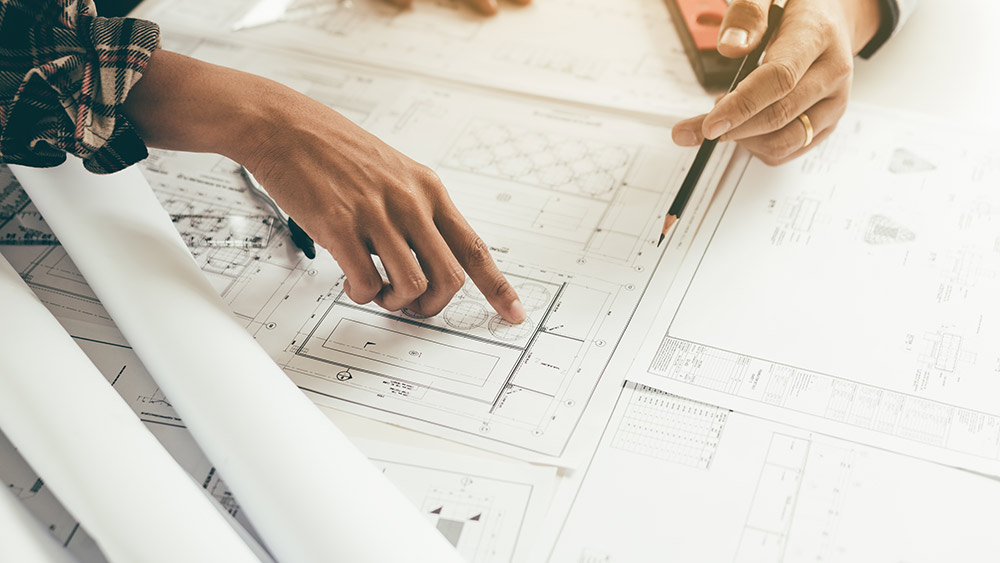
If you are building a new structure, you can incorporate passive cooling techniques into the early design process.
For instance, a plan that encourages breeze paths to flow into all the rooms of your home, or a layout with many windows to promote ventilation paths.
The building materials for your home, such as those that prevent heat gain, like concrete or bricks, can also be decided at this stage. You can also add design elements, such as chimneys, to vent hot air from your home.
2. Renovating Your Existing Homes
Do not let the fact that your existing home was not designed with passive cooling design strategies deter you. You can still employ passive cooling techniques, such as planting trees for maximum shading.
You can also add overhangs over your windows, and you can even customize your windows to have awnings or glazed glass. This will prevent extra sunlight exposure within your home.
Top Passive Cooling Techniques to Reduce Heat Gain & Increase Heat Loss
There are many strategies you can use to achieve passive cooling:
1. Insulation
Heat flows from a warmer to a cooler area till there is no temperature difference. Insulation helps to slow down the heat transfer from the outside to your home in the summer months. According to the US Department of Energy, insulated homes provide great resistance to heat flow.
When insulating your home to keep the heat out, you should especially focus on your ceilings and windows. Painting your roof a lighter color will help to reflect light. This will also help diminish heat absorption through the roof.
You can also cover your rooftop with greenery and vegetation; they act as natural insulators. For windows, you can opt for tinted glass that will act as an insulator against direct sunlight.
A radiant barrier is an effective type of insulation for hot climates. It is usually installed in attics and consists of a material that reflects radiant heat rather than absorbing it. It can help lower your cooling costs by up to 10%.
2. Cross Ventilation
Home ventilation is the process of exchanging stale indoor air with fresh outdoor air, which provides several benefits, such as maintaining clean indoor air, removing indoor air pollutants, and reducing the risk of mold growth.
Cross-ventilation circulates cool outdoor air throughout your home while expelling hot indoor air. The cold air will enter your home through your windows. You will find that increased airflow lowers the internal temperature.
House Design to Maximize Airflow Inside
To draw cool outside air into your house, opt for a large window on the leeward side and a smaller one on the windward side.
This creates a vacuum effect in your home, increasing the speed at which air flows. Windward refers to the direction from which the wind blows, and leeward is the point towards which it is blowing.
If you want to promote cross-ventilation, you should implement a design strategy that places windows at opposite ends of the building to encourage horizontal airflow.
Casement windows offer maximum ventilation as they have hinged frames that fully open inwards or outwards like a door.
3. Stack Ventilation
Stack ventilation relies on the fact that hot air rises from the bottom of the house and escapes through exit openings near your ceiling or roof.
Using solar chimneys is a common technique to allow stack ventilation. You can build a chimney in your home using materials such as brick or concrete. The chimney draws up warm air from your home and sends it outside.
When the hot air moves out, cool air enters your home through openings in the lower part.
If your house is built on a slope with different floor levels, you can open windows on both upper and lower floors. As warm air rises, it helps remove heat from the upper-floor windows.
4. Cool Breezes
If you live in an area with cool breezes, there is an effective way to keep your home cool. The key to effective passive cooling is designing your home to work with the direction of the cool breeze that comes from either the coast or inland areas.
The best layout is one that makes sure the breeze path flows through all the rooms of your home. To achieve that, your home’s design should include plenty of windows to encourage airflow.
If you want to ensure that cool wind blows in the direction of your home, you can plant trees around your home that funnel the air toward your home.
5. Rooftop Ventilation
As roofs are most exposed to the harsh sun throughout the day, they contribute the most to the heat gain. On a hot summer afternoon, conventional rooftops can reach temperatures of 150°F or more.
If you are not using some form of insulated roof, or if there is insufficient roof ventilation, all that heat will be transferred to your home.
Rooftop ventilation allows hot air to escape from the attic, preventing your home from overheating. You can improve rooftop ventilation by opening your attic windows or installing roof vents and fans.
6. Night Flushing
Night Flushing is also called night air ventilation. In night flushing, you take advantage of the cold night air by allowing it to flow throughout your home to lower the indoor temperature. By utilizing this process, you can expel and flush out the heat accumulated throughout the day.
To effectively apply this concept, you need to take into account the climate of your area, your building’s design, and the ventilation options in your home.
7. Shading for Solar Control
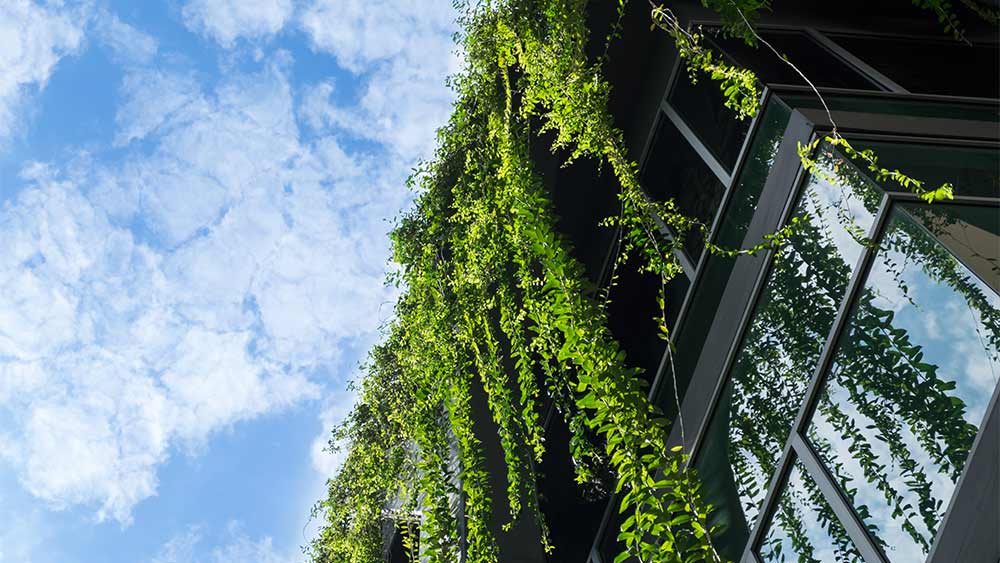
Shading helps block some of the direct sunlight entering your home. When shading your home, you should also take into account the sun’s position and the areas of your house where the sun’s glare hits most.
Direct sunlight will hit the side of your home that faces the equator. These areas should be focused on when attaching shading devices.
One of the most common areas to shade is your windows. This is because sunlight usually enters your home through windows, and its intense glare causes your indoor temperature to rise.
To prevent sunlight exposure, you can do the following:
- Use energy-efficient window-shading devices, such as awnings and shading louvers, on your windows. Vertical louvers on the west and east sides will block the direct morning and afternoon sun. Horizontal louvers block the direct sun on the north facade.
- Install overhangs over your windows. You can also invest in double-glazed windows to block sun glare.
- You can also have tinted glass in your windows to block the amount of sunlight entering your home.
- Apart from that, you can also apply low-emissivity coatings and films to your windows to prevent heat gain in your home.
- You can also use the natural vegetation around your home, such as trees, to provide cover. It is best if these trees are by the east and west-facing sides of the building. This is so they can block the light rays as the sun rises and sets.
8. Landscape Design
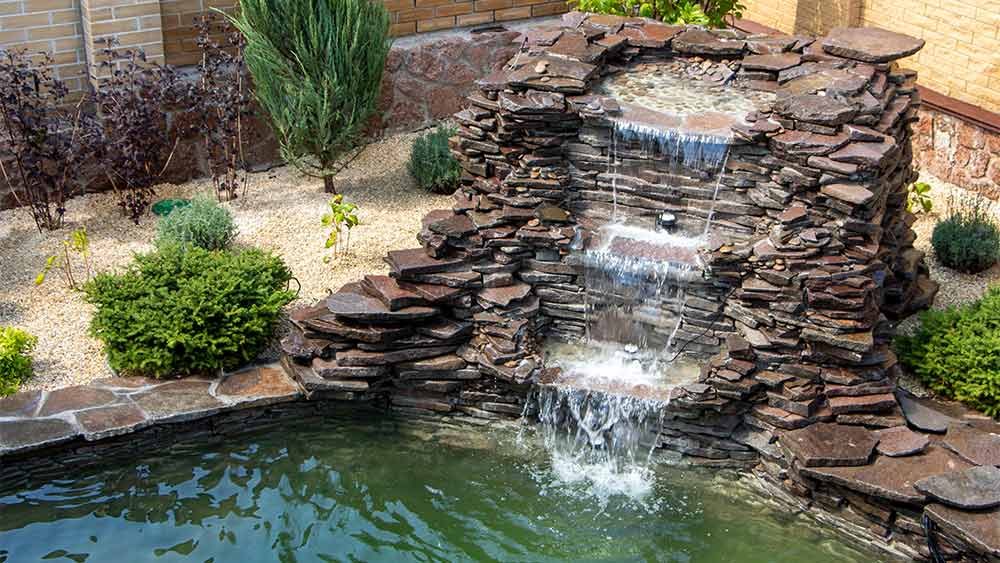
In increasingly urban lifestyles, it is important to keep your surroundings in mind. You must have an outdoor landscape with plenty of vegetation, including trees and plants, to create a naturally cool environment outside your home.
- A strategically placed tree, like one right outside your window, will block the sunlight from hitting your home. Trees can also help filter wind toward your home if they are arranged to form a breeze path. As a plus point, they help purify the surrounding air.
- You can also add water accessories, such as a decorative fountain or a backyard pond, to encourage a cool environment. These water accessories absorb surrounding heat and undergo evaporation, in which the liquid turns into gas (explained below).
- Green roofs are also a great design feature; the natural vegetation on your rooftop will act as an insulator, preventing heat from entering through your roof. This will keep your ceilings cool in the summer.
9. Cooling Air With Water
In technical terms, evaporation is a process in which a liquid substance, such as water, absorbs heat energy and turns into vapor. As water turns into vapor, it leaves behind a cooling effect by absorbing the surrounding heat.
By using the evaporative process, you can use water from your pond or backyard fountain to absorb heat from the environment. It is better to position bodies of water near windows and doors so they can cool the air entering your home and reduce your home’s overall temperature. This will allow you to enjoy a pleasant indoor climate.
You must consider the climate of your area if you want to implement this passive cooling technique. Evaporation is most effective in dry climates because, during the evaporation process, moisture levels in your surroundings also increase.
To get the most out of this method, you need to ensure a constant supply of water for the evaporative process. You must also ensure it is in a well-ventilated area to improve airflow.
10. Earth Coupling
Earth coupling is a technique that relies on the Earth’s natural ability to absorb heat. By integrating this into a building’s design, you can create comfortable indoor environments without relying heavily on mechanical cooling systems.
In earth-coupled buildings, the concrete floor slabs are in direct contact with the ground. They take up the heat as it enters the building from outside or is generated by household activities such as cooking. The heat is then exchanged with the ground, helping to cool down your home.
Earth coupling is most effective in hot regions where the earth is at a much lower temperature compared to ambient air temperature.
Related: Understanding Geothermal Heating and Cooling Systems
11. Thermal Mass
Thermal mass refers to a material’s capacity to absorb, store, and release heat. The higher the material’s thermal mass, the better it is at absorbing heat.
Building materials with high thermal mass include concrete, stone, brick, and other dense materials. The materials act as barriers against heat. They will absorb external heat, such as direct sunlight, and prevent it from entering the house. When the outside temperature drops, these materials will release heat outside at night.
Active Cooling Methods That Supplement Passive Cooling
During extreme weather conditions, such as during a heat wave, passive cooling methods may not be enough to remove heat and humidity from your house. In this case, you can supplement with active cooling methods, such as air conditioning, to keep your home cool and comfortable.
Here are some effective cooling techniques you can pair with passive methods:
1. Ceiling Fans
Ceiling fans do not actually cool your home, but improve the airflow inside your house. They increase the rate of evaporation by moving air over the skin, thereby producing a cooling sensation.
They are a great way to supplement passive cooling techniques. They should be installed in a central area in each room. In bedrooms, install them close to the center of your bed. Large areas, such as dining rooms, may require more than one fan.
You can also use fans in conjunction with your active cooling methods, such as air conditioning. When using both appliances, you can save energy by setting the thermostat to a higher temperature in the summer.
Related: Do Ceiling Fans Cool a Room? Here’s The Best Ceiling Fan Direction for Cooling
2. Whole House Fans
This option offers an inexpensive way to keep your home comfortable during the summer months. The whole-house fan works by drawing air in through windows and removing warm air through openings in the roof and attic.
You can supplement the whole house fan with ceiling fans in each room to help you beat the heat without breaking the bank.
3. Air Conditioning
Air conditioning is an excellent solution for maintaining a comfortable indoor temperature and reducing humidity, especially during hot, humid periods. It provides relief during extreme heat waves and when outdoor air quality is affected by factors such as wildfire smoke, when you can’t open windows for ventilation.
Related: Do Air Conditioners Pull Air From Outside?
When running your AC in summer, it is recommended that you set your thermostat to 78F for maximum savings. A higher set temperature actually reduces the flow of heat into your home. To avoid frequent thermostat adjustments, it’s best to invest in a smart thermostat or a smart AC controller for room air conditioners. You can use the scheduling feature these smart devices offer to automatically implement your preferred settings based on your routine.
Related: Energy-Efficient Thermostat Settings to Maximize Savings & Comfort
Cielo Smart Thermostat for Mini-SplitsYour best choice to make any mini-split, window,
or portable AC smart. Enhance your comfort and savings.
Learn more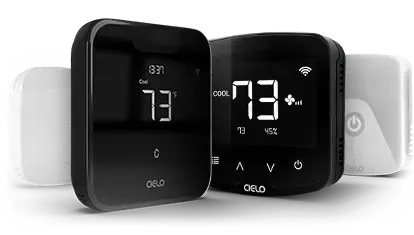
Your best choice to make any mini-split, window,
or portable AC smart. Enhance your comfort and savings.
4. Radiant Cooling
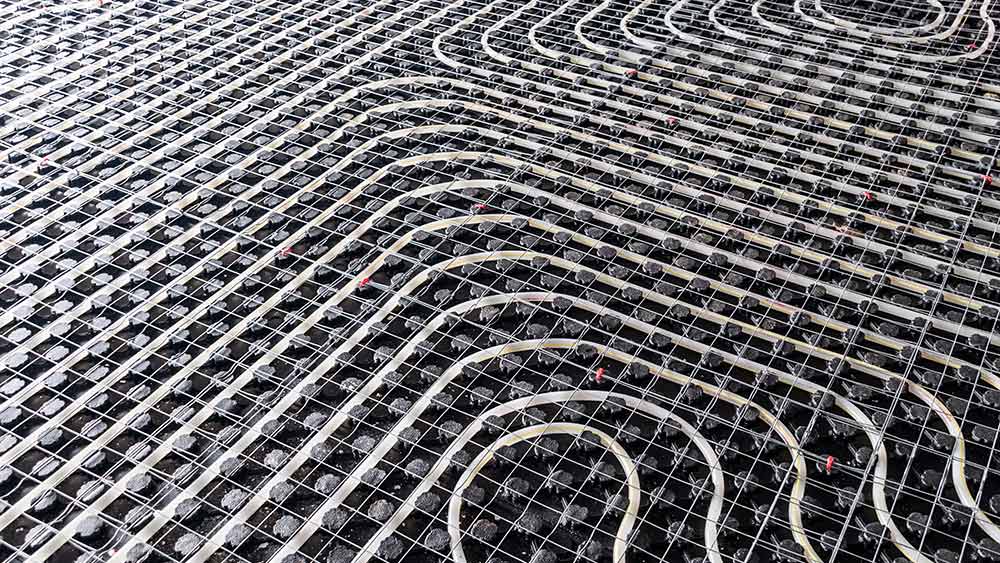
Radiant cooling involves circulating water through panels installed in your walls, ceiling, or floors. These panels are made up of chilled slabs or beams. They provide a cooling effect by absorbing the heat from inside your home.
This method of cooling is most effective in arid climates. The circulating water is usually maintained at 68-75°F to provide maximum cooling.
The summer heat usually penetrates through your home’s ceiling, which is why it is recommended that you install your panels in this area. It will allow for greater efficiency in cooling your home.
5. Hybrid Cooling Systems
A hybrid cooling system is a setup that uses both passive and active cooling techniques. When the weather is mild, you can rely on passive cooling, and in extreme heat, you can switch to active cooling, such as air conditioning.
Final Thoughts
Passive cooling is a cost-effective solution that is becoming increasingly popular in hot, humid climates. It is an eco-friendly technique that harnesses natural forces to promote heat loss and reduce heat gain. By using cool breezes, vegetation, and other natural sources, this method provides efficient and sustainable cooling solutions for homes. House design factors such as building materials, window placement, insulation, and shading elements are also considered to optimize this approach’s effectiveness.

1 Comment. Leave new
TQ for sharing the valuable information regarding HVAC .. please keep sharing like this..