Cielo
Cielo
Key Takeaways
- Turning your AC off when you’re away does not cost more than leaving it on.
- Setback your thermostat 7-10°F from your usual settings when you’re away to save energy.
- Use smart thermostats to automate climate control and save on bills.
As summer’s scorching temperatures push homeowners to rely more heavily on air conditioning systems, questions arise about their efficient usage. One that has sparked countless debates is whether it’s bad to keep turning your AC on and off.
Some believe leaving it on continuously maintains a steady temperature while consuming less energy; others argue that toggling it on and off as needed is more cost-effective.
This guide will help you understand when to turn your AC off and when to leave it running. By understanding the facts you can make an informed decision to ensure your AC operates efficiently and lasts longer.
Turning Your AC On and Off vs. Leaving It On
Contrary to popular opinion, turning your AC on and off doesn’t consume more energy. It’s a misconception that the AC has to exert extra effort to cool a hot house. The unit operates at the same pace regardless; it just requires more time to cool down a warm home if the air conditioning has been turned off.
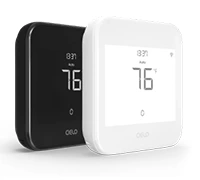
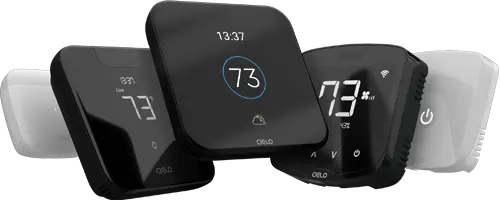
Budget-friendly smart thermostat for central HVAC systems. A thermostat that guarantees savings.
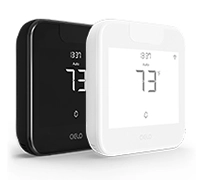
Award-winning smart thermostat for mini-splits. Technology that goes above & beyond.
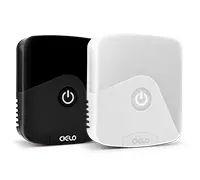
Sleekest smart thermostat for mini-split, window & portable ACs. A design that magically blends.
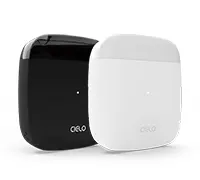
Smart mini-split thermostat that is engineered for affordable comfort. Small in size, big in benefits.
If you’re wondering whether it is cheaper to leave your air conditioner on all day, then you should know that, in such case, the AC is constantly working to maintain the desired temperature, even when the actual temperature fluctuates slightly.
This constant cycling consumes a significant amount of energy. Letting your unit run nonstop for extended periods can also wear it down, potentially shortening your air conditioner’s lifespan over time.
On the other hand, if you turn off your AC when not at home and only run it in the evening after coming back from work, it will run steadily for a few hours without frequent cycling, thus, leading to greater energy savings.
When Should You Leave Your AC Running?
The answer to whether to turn your AC on/off vs. leave it on isn’t always black and white. It depends on various factors such as outdoor weather conditions and the type of HVAC system you use.
- Extreme Weather Conditions
An exception to the rule of turning off the AC when not at home is during instances of extreme heat. If you have a typical 9-5 job, shutting off the AC during the day means it won’t be running when the temperature is at its highest. Your unit will have to work twice as hard to cool it back down.
In places like Florida, this could result in returning home to a sweltering house with temperatures in the 90s. It may then take several hours for the home to cool down to a comfortable level. The AC has to work extra hard to cool the space down again, consuming more energy in the process.
Related: How to Stay Cool in Florida Summer?
Additionally, extreme heat can damage wooden structures such as furniture, causing them to expand and develop cracks. Air conditioners regulate temperature and also maintain ideal indoor humidity levels. If the AC is left off for an extended period, it can lead to elevated humidity, creating a conducive environment for mold and mildew growth.
Related: Is Mold in Your Air Conditioner Dangerous?
You should also keep your AC running if you have pets. They are sensitive to extreme temperature changes, which can lead to serious health risks such as dehydration and heat stroke in summer.
If you have to leave your HVAC running, that doesn’t mean that you should blast it at a high temperature. Consider setting your thermostat back 7-10°F from your usual setting when your home is unoccupied. According to the Department of Energy, this can help you save around 10% on your heating and cooling bills.
- Type of Air Conditioner
Older, less efficient units require considerably more energy to cool a space. They have to work harder when frequently switched on and off, as they have to cool an overheated room from scratch.
Modern air conditioners are equipped with variable-speed inverter compressors that automatically adjust energy output based on the actual cooling demand. Rather than cycling on and off at full capacity, they run continuously at a lower level, consuming less energy. This makes leaving them running a more energy-efficient choice.
How to Save on Energy Bills
Here are some strategies to help you reduce your air conditioning energy expenses:
-
Buy a Smart Thermostat
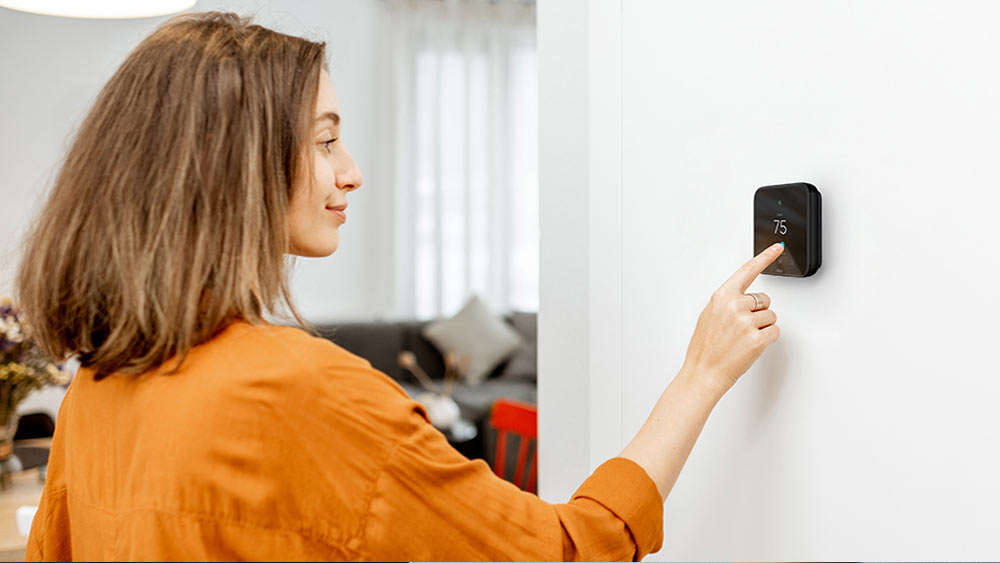
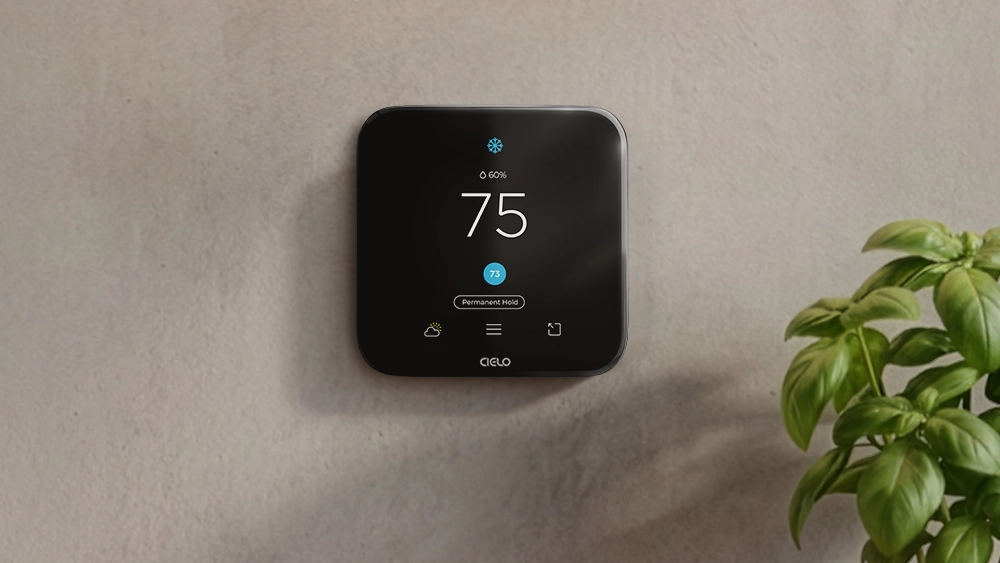
Consider automating your home climate with a smart thermostat. These devices provide the convenience of controlling your home climate through your smartphone, ensuring you are never heating/cooling an empty house.
If you are away for an extended period due to work or vacation, a smart thermostat can be incredibly helpful. The Cielo smart thermostats have a handy feature called vacation mode to keep your home safe.
In this mode, you can set your desired heating and cooling temperatures. The thermostat will then automatically adjust your HVAC system to maintain those temperatures, preventing your home from getting too hot or cold while you’re gone. Before your return, the thermostat can then change the temperature back to your desired level.
Equip your HVAC system with smart features and achieve the perfect balance between comfort & savings.
Learn more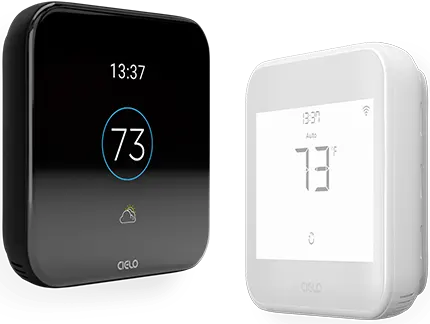
-
Invest in Room Air Conditioners
Room air conditioners such as mini-splits are considered more energy-efficient because they don’t rely on ducts, which can lead to energy loss.
Unlike central units that cool the entire home, these air conditioners let you cool only specific rooms as needed, significantly cutting energy consumption. Additionally, you have the flexibility to adjust the temperature of each room according to individual preferences.
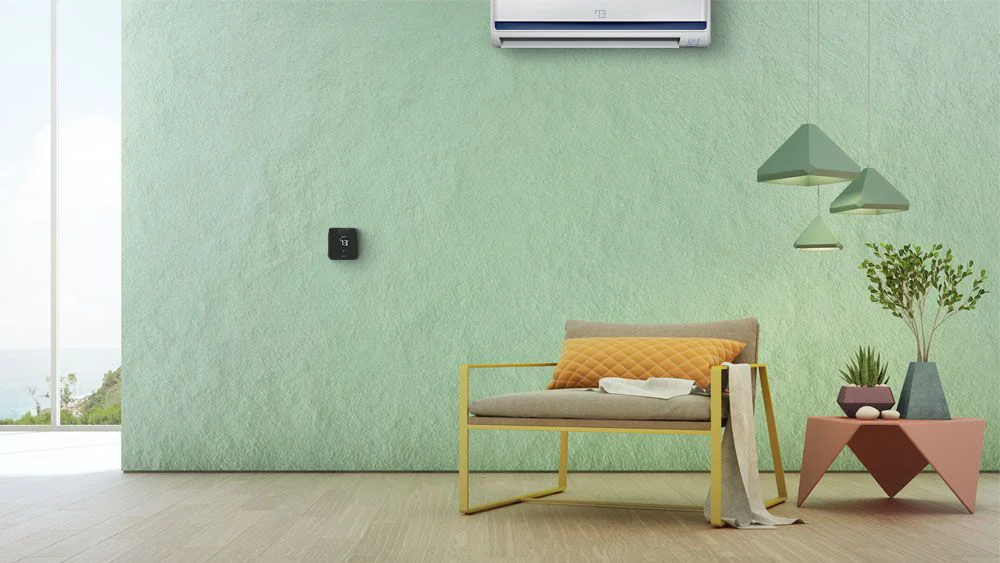
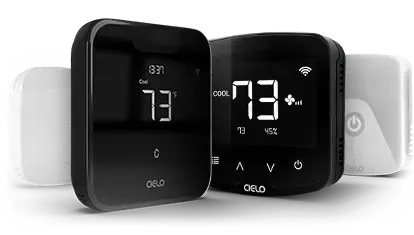
You can pair your room air conditioners with a smart thermostat for mini-splits to equip them with smart capabilities. These controllers automate your room climate and help maintain ideal temperature and humidity. You can also set daily/weekly schedules, track energy usage, and get helpful maintenance reminders.
Your best choice to make any mini-split, window,
or portable AC smart. Enhance your comfort and savings.
-
Setback Your Thermostat
To maintain a comfortable home environment while also saving energy, you can employ a thermostat setback strategy. This entails adjusting your thermostat to a lower temperature in winter and a higher temperature in summer.
When you are out, set your thermostat to 7-10°F below your usual setting. For automated adjustments, you can use the scheduling or geo-fencing features available on smart thermostats.
Another effective energy-saving strategy is to lower the thermostat before bedtime. The ideal sleeping temperature range is typically 60°F-67°F. Lowering the thermostat at night takes advantage of the body’s natural decline in core temperature, signaling it’s time to unwind and rest.
-
Install a Ceiling Fan
While fans don’t actually lower the room’s temperature, they create a breeze that helps cool you down by evaporating sweat from your skin. This allows you to set your thermostat a little higher without compromising your comfort. Using a fan in conjunction with your AC can help you save energy. Here’s all you need to know about fans vs. AC.
-
Clean Air Filters Regularly
Dirty filters restrict airflow, forcing the AC unit to work harder to circulate air, leading to increased energy consumption and potential damage to the system over time.
Regularly cleaning and replacing AC filters not only improves energy efficiency but also enhances indoor air quality by capturing dust and debris. This is a simple maintenance task you can even do yourself without requiring professional help. It’s recommended to clean your filters every 2 weeks and replace them every 3-4 months.
Pro tip: You can use your mini-split smart thermostat to monitor your AC air filter’s condition and receive timely cleaning notifications.
-
Keep the Outdoor Unit Clean
It’s essential to keep the outdoor unit of your air conditioning system clean. Leaves and debris gather around it, obstructing the HVAC airflow, causing your system to run continuously and resulting in higher electricity bills.
Ensure the area surrounding the unit remains free from debris and trash. Periodically, hose off the outdoor unit while it’s turned off to remove the accumulated dirt. Also, trim the vegetation near it to prevent leaves and twigs from obstructing the unit.
-
Schedule Annual Maintenance Checkups
Make sure to schedule professional HVAC maintenance checkups regularly. This guarantees that all components are functioning correctly, enabling your air conditioning system to run more efficiently.
The yearly HVAC maintenance cost for your air conditioning systems typically ranges from $75 to $200, with an average of $100. Additional fees may apply if any repairs are required.
In Conclusion
While leaving the AC on continuously may seem to maintain a stable temperature and consume less energy, the reality is more nuanced. It’s important to strike a balance between turning the AC off when it’s not needed and running it efficiently when required. There are also situations where leaving it on makes sense.
Factors such as your area’s climate, the duration of absences, and the effects of temperature fluctuations on your home should be carefully considered. Investing in a smart thermostat can prove beneficial if you are seeking long-term energy savings. These devices offer precise control over your HVAC system, allowing you to optimize energy usage according to your schedule and preferences.