Cielo
Cielo
As a homeowner, you may find yourself trying to keep your air conditioner top-notch, as it serves an essential role in keeping your home comfortable. However, with all the rumors and myths floating around about AC maintenance, it may be hard to know what crucial steps you should take. That’s why we’re here!
We’ve compiled a list of misconceptions about air conditioning to help you understand what needs tending when it comes to AC maintenance. Read on as we bust 12 common air conditioner myths so that you can get the most out of your HVAC unit this summer.
- 1. MYTH: A Larger Air Conditioner Is Likely to Cool Your Home More Effectively Compared to a Smaller Unit
- 2. MYTH: You Can Speed up the Cooling Process in Your Home by Cranking Down the Thermostat
- 3. MYTH: Choosing a Consistent Thermostat Temperature All Day Can Be a Smart Way to Save Money
- 4. MYTH: Thermostat Location Is Irrelevant
- 5. MYTH: Running a Ceiling Fan Works Just as Well as an AC
- 6. MYTH: Wait for An Upgrade Until Your Air Conditioner Completely Shuts Down
- 7. MYTH: Since You’re Thorough With Dusting and Vacuuming, You Don’t Need to Worry About Changing Air Filters
- 8. MYTH: For New ACs, Spring Checkups Are Futile and a Waste of Both Time and Money
- 9. MYTH: Prolonged Use of Air Conditioning Can Make You More Susceptible to a Summer Cold
- 10. MYTH: You Need a Hefty Amount to Enjoy the Perks of Smart Air Conditioning
- 11. MYTH: Turning Off the AC When You Leave Home Saves Money
- 12. MYTH: Air Conditioners Don't Lower the Humidity Levels
- In Conclusion
1. MYTH: A Larger Air Conditioner Is Likely to Cool Your Home More Effectively Compared to a Smaller Unit
Busted: Contrary to popular belief, a unit that is too big for your place may create bursts of cold air, causing it to turn on and off constantly. This is because thermostats are tricked into shutting off the HVAC system before the house is cooled thoroughly.
As a result, the extra cooling capacity is actually going to waste, resulting in higher energy bills. With frequent cycling, your unit also fails to adequately remove moisture. In addition, this cycling escalates the unit’s wear and tear over time and compromises efficiency.
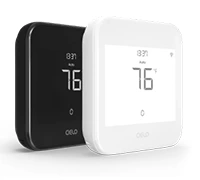
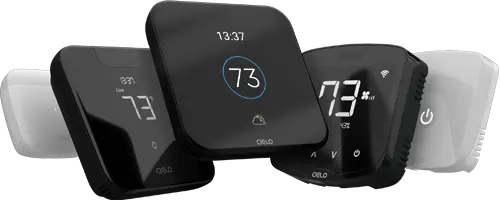
Budget-friendly smart thermostat for central HVAC systems. A thermostat that guarantees savings.
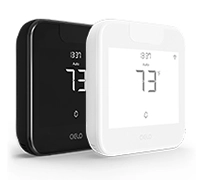
Award-winning smart thermostat for mini-splits. Technology that goes above & beyond.
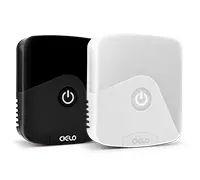
Sleekest smart thermostat for mini-split, window & portable ACs. A design that magically blends.
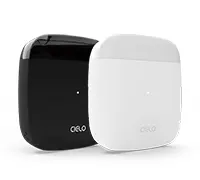
Smart mini-split thermostat that is engineered for affordable comfort. Small in size, big in benefits.
Similarly, if an AC unit is too small for a space, it will struggle to cool the room, overburdening the system. To achieve your desired temperature, you will have to run it at full power all the time, which will skyrocket the bills.
For an air conditioner unit to cool your home effectively, you must choose the right size for your room. Not sure how to do that? Follow this air conditioner size guide.
2. MYTH: You Can Speed up the Cooling Process in Your Home by Cranking Down the Thermostat
Busted: This common misconception goes way back and needs to be addressed. Lowering the temperature will result in your HVAC system working for a longer period of time. Cooling a space will always be a matter of time.
Related: Does Lowering the Thermostat Cool Your Home Faster?
The AC has to work just as hard to decrease the temperature by one degree as it does to decrease it by ten degrees. By setting it to the lowest possible temperature, you are just overworking your AC unit, driving utility bills through the roof.
A rule of thumb to optimize comfort and energy efficiency is to set the ideal thermostat settings for every situation using a smart thermostat.
3. MYTH: Choosing a Consistent Thermostat Temperature All Day Can Be a Smart Way to Save Money
Busted: If you think maintaining the same temperature all day will save you money, you’re mistaken. It is one of the most common air conditioning myths, and you are just letting your HVAC system work unnecessarily, adding to your utility costs.
A thermostat setback strategy can do wonders in this regard. For instance, setting your thermostat back is recommended when you are not home. Similarly, for sleeping, 60-67F is considered the optimal temperature range.
Furthermore, recooling and reheating your home will consume less energy than a unit that runs all day to maintain temperature consistency.
You can make these adjustments manually or leave the heavy lifting to the smart thermostat for central systems and mini-split thermostats in case of room units. With features like location-based triggers and smart scheduling, you can automatically achieve your desired level of comfort while managing your expenses.
Equip your HVAC system with smart features and achieve the perfect balance between comfort & savings.
Learn more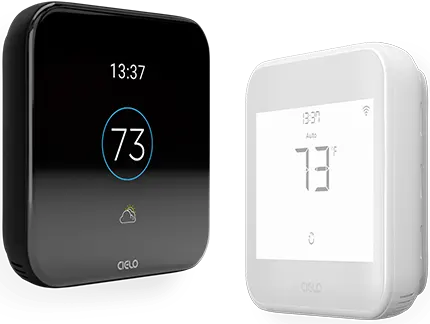
4. MYTH: Thermostat Location Is Irrelevant
Busted: The location of your thermostat is a key factor in determining the efficiency of an air conditioner. You need to consider several factors before deciding where to place the device. This includes avoiding the hottest or coldest room.
For a smart thermostat or smart AC controller, the device must be within range of your Wi-Fi network. Other considerations include ensuring that it is not installed in direct sunlight to avoid inaccurate temperature readings.
Related: 12 Fascinating Air Conditioning Facts You Probably Didn’t Know
5. MYTH: Running a Ceiling Fan Works Just as Well as an AC
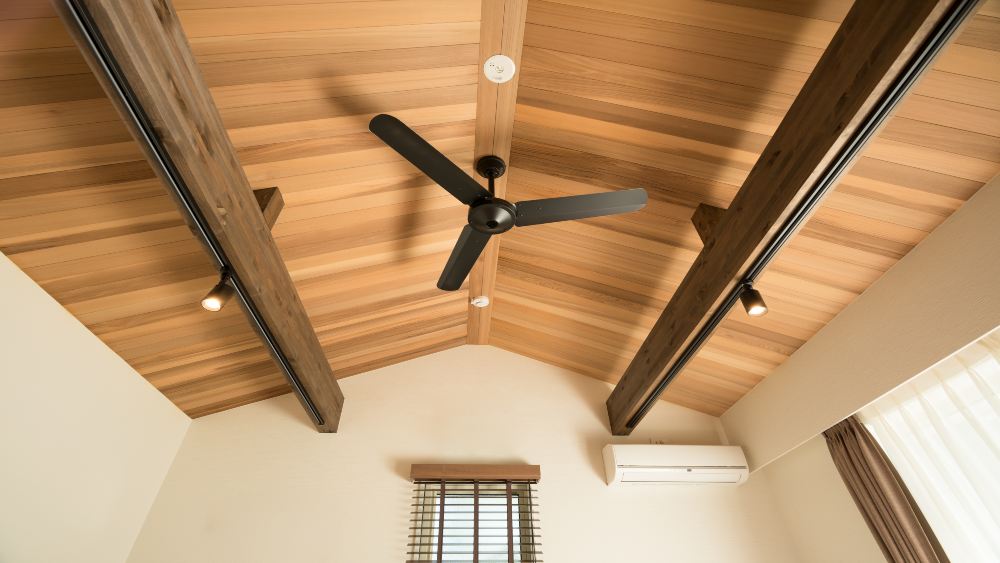
Busted: A ceiling fan doesn’t actually cool a room. All it does is circulate the air in the room, creating a wind-chill effect that can make you feel cooler and the room feel more comfortable.
Using a ceiling fan can improve air circulation and distribute cooled air more evenly, which can make you feel that it helps with the cooling process.
However, turning off your AC and expecting the ceiling fan to keep the room cool will not work. Just as the air in the room starts to warm up, the fan will start circulating it.
The effective way is to use a ceiling fan in conjunction with your air conditioner. In this case, you can bring the thermostat up a couple of degrees, saving on AC costs. They complement each other, but that doesn’t mean it will reduce the burden on your air conditioner.
Related: Do Ceiling Fans Cool a Room? Here’s The Best Ceiling Fan Direction for Cooling
6. MYTH: Wait for An Upgrade Until Your Air Conditioner Completely Shuts Down
Busted: If your AC has exceeded its average lifespan and you have begun to notice signs of problems. It might just be nearing its end. Many people consider using their units till it dies out completely. However, this is not a wise thing to do.
The initial cost of replacing an air conditioner is undoubtedly high, but stalling the purchase might only add to your bills. Over time, your air conditioner loses efficiency and performs inadequately. As a result, more energy is consumed for cooling a room. Additionally, the repairs can get very pricey.
Hence, it is recommended that you watch for signs that your AC needs a tune-up. As per the technician’s suggestions, if the system has gone beyond repair or requires expensive work, quit on it.
There is no point in utilizing it until it is no longer operable. Investing in a new one will save you aggravation and money over time.
Related: 8 Ways to Extend the Average Life Of an AC – How to Make Your HVAC System Last Longer?
7. MYTH: Since You’re Thorough With Dusting and Vacuuming, You Don’t Need to Worry About Changing Air Filters
Busted: While dusting and vacuuming your house can help reduce the amount of dust and dirt in your living space, it does not eliminate the need to clean your filters.
Air filters in HVAC systems are designed to capture airborne particles such as dust, pollen, pet dander, and other contaminants, preventing them from circulating and potentially causing health issues or damaging the HVAC system.
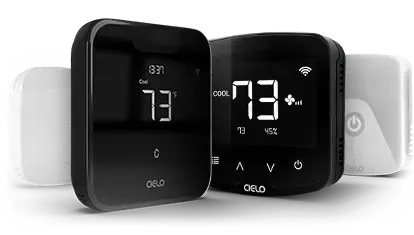
It is recommended that you clean the filter every 2 weeks and replace it every 3-4 months. With Cielo mini-split thermostats like Breez Max, you can receive alerts when your air filters need cleaning.
Your best choice to make any mini-split, window,
or portable AC smart. Enhance your comfort and savings.
8. MYTH: For New ACs, Spring Checkups Are Futile and a Waste of Both Time and Money
Busted: It is not entirely accurate to say that spring air conditioning checkups are a waste of time and money if you have a newer unit.
While newer air conditioning units may require less maintenance than older ones, regular checkups can still offer several benefits, regardless of your unit’s age.
Even newer units can experience issues such as dirty filters, coil buildup, or refrigerant leaks, which can impact their efficiency and performance.
Timely preventative maintenance can help identify and address such issues, ensuring that your unit operates at its best. Early detection of potential issues during a spring checkup can help prevent costly repairs in the future.
9. MYTH: Prolonged Use of Air Conditioning Can Make You More Susceptible to a Summer Cold

Busted: While anecdotal evidence might convince you otherwise, exposure to cold air by the AC isn’t really the culprit when it comes to cold fever in the summer. A virus causes a cold, not the temperature.
Although air conditioners can contribute to health problems in cases where they are not properly maintained. For instance, dirty filters and clogged vents can become breeding grounds for indoor pollutants like bacteria and mold, resulting in an infection leading to cold.
Hence, it is crucial to take care of your AC’s internal as well as external unit. You are also recommended to sign up for an annual or bi-annual checkup of your HVAC system even when it shows no significant signs of problems.
Related: Can Air Conditioning Make You Sick? Here’s the Truth
10. MYTH: You Need a Hefty Amount to Enjoy the Perks of Smart Air Conditioning
Busted: You might have noticed the sky-high prices of smart air conditioners in the market, making you believe they’re far out of your reach. But that’s not true!
If you already own an air conditioner and are tempted by the modern AC’s smart features, then we’ve got a budget solution for you. With the help of a smart thermostat (for residential HVAC systems) and a mini-split thermostat (for room air conditioners), you can make any air conditioner smart.
11. MYTH: Turning Off the AC When You Leave Home Saves Money
Busted: Switching off your AC for extended periods lets indoor humidity climb. This creates the perfect environment for mold growth and can damage wood furniture and flooring over time. Repairing that kind of damage often costs far more than the energy you were trying to save.
Most HVAC pros recommend setting your thermostat back 7–10°F from your normal setting when you’re away, rather than turning the system off completely. This keeps your home protected while reducing energy use.
12. MYTH: Air Conditioners Don’t Lower the Humidity Levels
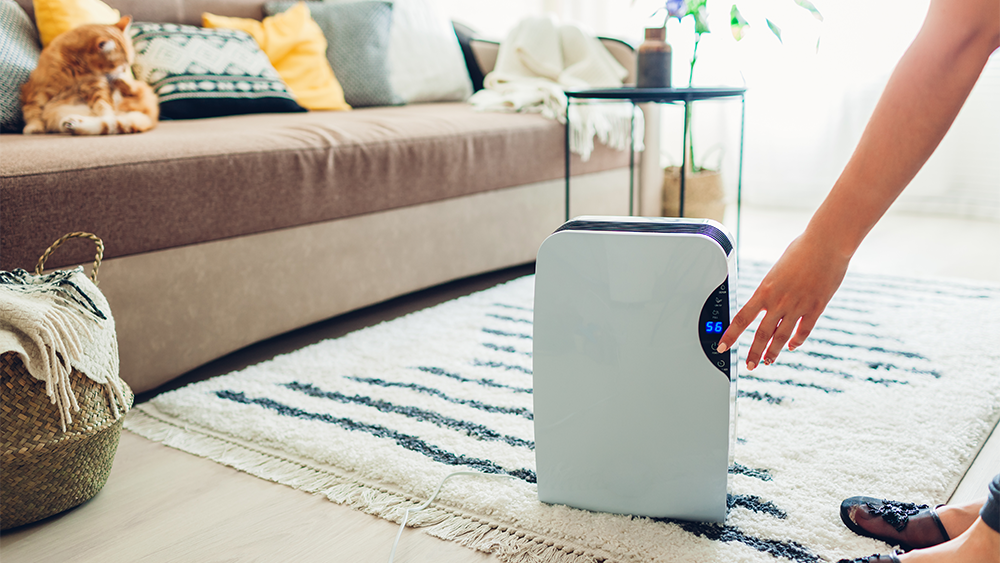
Busted: During the cooling process, air conditioners also remove moisture from the air. Warm air passes over the cold evaporator coils, causing humidity in the air to condense into water, which then drains away. This is why a properly functioning AC not only lowers the temperature but also makes the air feel noticeably drier and more comfortable
In Conclusion
This blog covers some of the most common air conditioner myths to help you separate fact from fiction and ensure your knowledge of this essential home appliance is as thorough as possible. With your newfound knowledge of these ten common AC myths, you’ll be in a better position to maintain and troubleshoot HVAC problems on your own and even save on your energy costs.